
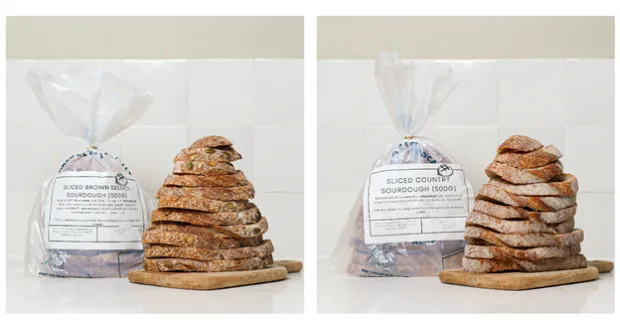
The environmental implications of this launch are profound. While a conventional plastic bread bag can linger in the environment for as long as 450 years—often fragmenting into persistent microplastics that contaminate soil and waterways—Modern Milkman’s new single-layer film packaging offers a starkly different lifecycle. Engineered to be entirely home-compostable, these bags are designed to break down naturally within approximately 12 months. Crucially, this biological decomposition process leaves behind zero microplastics or harmful chemical pollutants, returning organic matter to the earth safely. This shift represents a transition from a linear "take-make-waste" model to a circular approach, where the packaging serves its purpose and then reintegrates into the ecosystem.
The rollout covers the company’s extensive range of freshly baked goods, encompassing artisanal loaves from their primary bakery partner, Bread of Life, alongside a diverse network of regional, independent bakeries spread across the United Kingdom. By integrating this packaging into their existing doorstep delivery infrastructure, Modern Milkman is proving that sustainable, zero-waste logistics are not merely a theoretical ambition but a viable, scalable business reality. Most impressively, the company has committed to absorbing the costs of this technological upgrade, ensuring that the switch to eco-friendly packaging comes at no additional expense to the consumer.
Jenny Thomason, the Head of Commercial at Modern Milkman, underscored the dedication required to bring this project to fruition. "The search for a solution that protects the quality of our bakery on the doorstep in an eco-friendly way has taken years," she remarked. "We have been meticulous in our testing to ensure that we weren’t just swapping one problem for another. We are incredibly proud of this move, which brings us one step closer to our overarching mission: ensuring that with every product we deliver, absolutely nothing goes to waste."
The technical achievement behind the bag is the result of a strategic partnership with Treetop Biopak, a specialist in sustainable packaging solutions. For Treetop Biopak, the challenge was to engineer a film that possessed the structural integrity to keep bread fresh and protected during transit while remaining fully compostable in a domestic setting. Amir Goss, CEO of Treetop Biopak, noted that the collaboration was driven by the necessity for both performance and purity. "We are delighted that the strengths of our compostable solutions have been recognised and adopted by a proactively environmentally responsible operation like Modern Milkman," Goss stated. "Performance strength was as fundamental as compostability in our decision-making process. We needed to ensure that the bread remained fresh and that the packaging could withstand the rigors of the doorstep delivery model."
The versatility of these new bags is a key selling point for modern, eco-conscious households. Because the material is waterproof and durable, it serves as an excellent temporary storage solution for loaves. Once the bread has been consumed, the consumer is left with a functional item rather than a piece of trash. The bags are designed to be disposed of in a variety of ways: they can be placed in standard food waste bins, added to a backyard garden compost heap, or even repurposed as a liner for organic kitchen waste bins. This dual-use functionality turns a piece of packaging into a useful tool for waste management, effectively closing the loop on kitchen food scraps.
The broader context of this innovation is staggering when considering the scale of bread consumption in the UK. With an estimated 11 to 12 million loaves of bread sold across the nation every single day, the volume of plastic film generated by the bakery industry is immense. Historically, the vast majority of these bags have ended up in landfills or industrial incinerators, contributing significantly to the UK’s carbon footprint and plastic pollution statistics. By replacing this high-volume plastic with a compostable alternative, Modern Milkman is tackling one of the most pervasive sources of household plastic waste. If adopted on a national scale by larger retailers, the impact of such a shift could be revolutionary.
Modern Milkman’s business model—which leverages a milk-round style delivery system—has long been praised for its emphasis on reducing single-use plastics through the use of returnable glass bottles and minimal packaging. However, bread has always presented a unique challenge due to the need for moisture control and physical protection. The development of this new film signifies that the company is willing to invest in R&D to overcome even the most stubborn packaging hurdles. It is a proactive response to consumer demand; shoppers are increasingly voting with their wallets, choosing brands that align with their values regarding climate change and waste reduction.
Furthermore, this launch highlights a growing trend in the "green economy" where partnerships between agile, digitally-native delivery companies and specialized material scientists are driving rapid innovation. Unlike traditional supermarket chains, which are often hampered by legacy supply chains and slow-moving packaging procurement policies, Modern Milkman has utilized its direct-to-consumer model to implement systemic change quickly. By connecting customers directly to local bakeries and now providing a truly circular packaging solution, the company is effectively building a modern version of the traditional circular economy that existed decades ago, but with the benefit of 21st-century material science.
As the nationwide rollout continues, the company plans to monitor consumer feedback closely. Early indications suggest that the convenience of the new bags—coupled with the satisfaction of disposing of them in a compost bin—is resonating strongly with customers. The initiative also serves as a proof-of-concept for other food categories. If a bread bag can be made to be fully compostable without sacrificing shelf-life or quality, it raises the question of what other supermarket staples could follow suit. The success of this project could provide the necessary evidence to push for industry-wide regulation on plastic packaging, moving the UK closer to a circular economy where "waste" is a term of the past.
In conclusion, Modern Milkman’s introduction of the compostable bread bag is more than just a packaging update; it is a manifestation of the company’s core philosophy. By integrating environmental stewardship into the very fabric of their commercial operations, they are demonstrating that businesses can be both profitable and sustainable. The transition away from the 450-year degradation cycle of traditional plastic toward a 12-month composting cycle is a monumental win for the planet. As the company continues to refine its supply chain and expand its network of local partners, they are not only delivering fresh bread to the doorstep—they are delivering a vision for a cleaner, more sustainable future for the grocery industry at large. Through this bold move, Modern Milkman has confirmed its position as a leader in the movement to eliminate single-use plastics from the British pantry.