
In the competitive landscape of modern marketing, the transition from a simple promotional giveaway to a high-utility lifestyle accessory is the hallmark of a successful brand strategy. While standard tote bags and backpacks have long been staples of corporate gifting, a sophisticated evolution has taken place: the rise of the high-performance thermal bag. Imagine a scenario where a customer carries your brand logo not just to the office, but to a sweltering beach with ice-cold refreshments, or on a rugged autumn hike with a steaming meal. This is the power of thermal fabrics. They transform a basic vessel into a functional tool that solves a universal human problem—the desire to maintain temperature. By integrating advanced thermal textiles into custom bag designs, businesses can offer more than just a product; they provide a tangible, memorable experience that fosters deep-seated brand loyalty.
To truly appreciate the value of these items, one must understand the sophisticated science that governs their construction. Thermal insulation in the context of textile engineering is not merely about "keeping things cold." It is a calculated battle against the laws of thermodynamics. Heat transfer occurs through three primary channels: conduction, convection, and radiation. High-quality thermal bags are designed to combat all three. Conduction is the transfer of heat through solid materials; this is why thermal bags utilize low-conductivity foam layers. Convection involves the movement of air; by trapping air within the microscopic pockets of insulating foam, the bag creates a stagnant layer that prevents heat from circulating. Finally, radiation is the transfer of heat via electromagnetic waves. This is where the iconic "silver lining" comes into play. These metallic-finished foils reflect radiant heat back to its source, whether that is keeping the sun’s rays out of a cooler or keeping the infrared heat of a hot meal inside.
The diversity of thermal materials available today allows for a high degree of specialization depending on the intended use of the bag. The most common configuration involves a "sandwich" of three distinct layers. The outer shell provides durability and the primary surface for branding, often made from heavy-duty polyester, nylon, or eco-friendly rPET. The middle layer is the heart of the insulation, typically comprised of Expanded Polyethylene (EPE) foam. The thickness of this foam—ranging from a slim 2mm for lunch pouches to a robust 8mm or more for professional delivery bags—directly correlates to its R-value, or thermal resistance. The innermost layer is the barrier, often made from Polyethylene Vinyl Acetate (PEVA) or aluminum foil laminates. PEVA has gained massive popularity in recent years as a non-toxic, chlorine-free, and PVC-free alternative that is both waterproof and easy to sanitize.
The versatility of these fabrics extends far beyond the traditional picnic hamper. In the modern economy, custom thermal bags serve a wide array of specialized industries. In the pharmaceutical and healthcare sectors, thermal bags are critical for the "cold chain" logistics of transporting temperature-sensitive vaccines and biologics. For the burgeoning food-tech and meal-kit industry, high-performance thermal backpacks and totes are the literal backbone of the delivery infrastructure. Even in the luxury sector, wine merchants and high-end grocers utilize bespoke thermal carriers to ensure their products reach the consumer in peak condition. By selecting the right combination of textiles, a brand can tailor a bag to a specific lifestyle niche, whether it is a rugged, waterproof cooler for outdoor enthusiasts or a sleek, professional lunch tote for the corporate executive.
A critical component of designing a high-utility thermal bag is the integration of a "wipe-clean" interior. Because these bags are frequently in contact with food, condensation, or potential spills, the lining must be non-porous. Utilizing heat-sealed seams instead of traditional stitching in the lining can make a bag "leak-proof," preventing melted ice or spilled liquids from seeping into the insulation layer or through the outer shell. This attention to detail significantly extends the lifespan of the product, ensuring that the brand it represents is associated with quality and cleanliness for years to come.
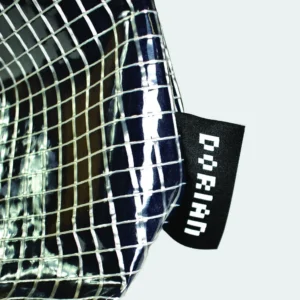
Customization is the bridge between a functional item and a powerful marketing asset. When working with thermal fabrics, the opportunities for branding are nearly limitless. Decoration options have moved far beyond simple screen printing. For a tactile, premium feel, Pantone-matched embroidery allows a brand’s colors to be rendered with precision and depth. For complex, multi-colored logos or photographic designs, digital transfer printing offers high-resolution clarity that remains vibrant even after heavy use. For a more subtle, "boutique" aesthetic, many brands are opting for woven labels, debossed leather patches, or even molded silicone badges that add a three-dimensional element to the design.
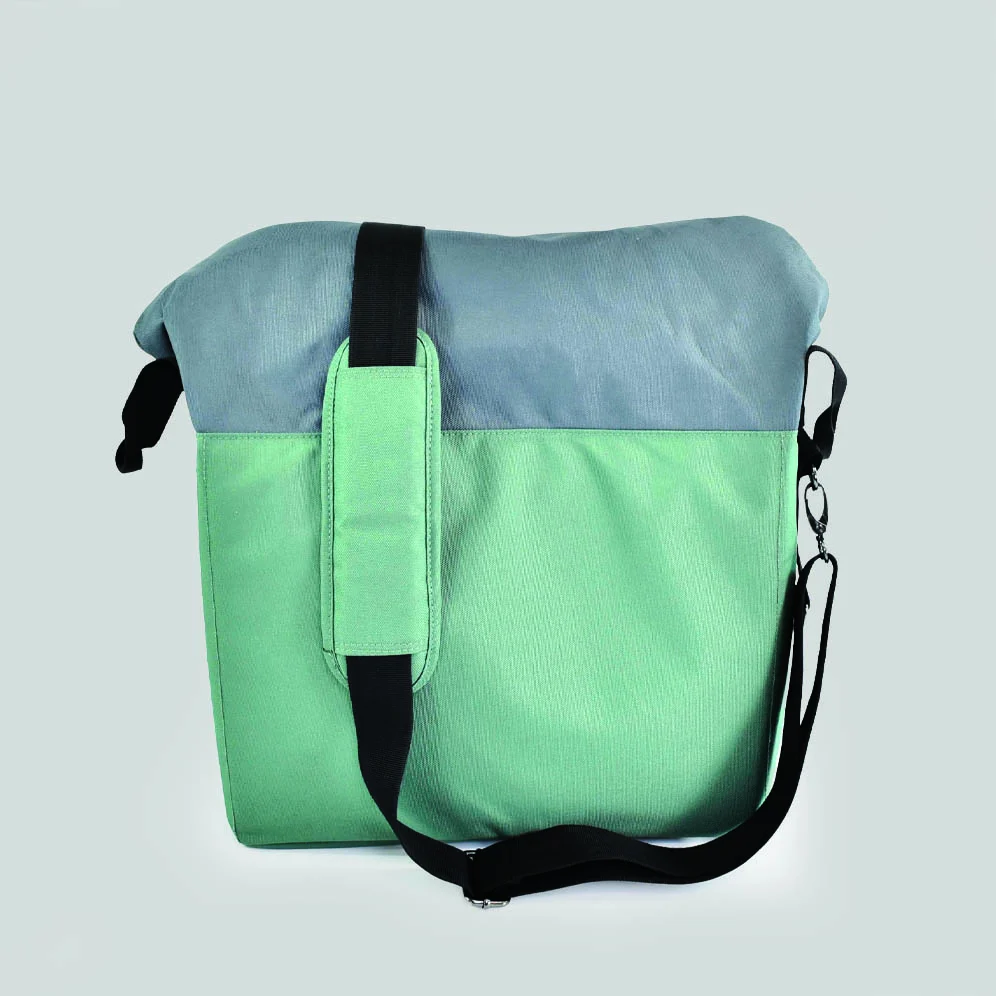
The hardware and finishing touches of a thermal bag are just as important as the fabric itself. Because the goal is to maintain an internal microclimate, the quality of the closures is paramount. Heavy-duty zippers with "weather-guard" covers help minimize air exchange at the bag’s most vulnerable points. Beyond functionality, these components offer further branding opportunities. Custom-molded zipper pulls featuring a logo, or adjustable webbing straps dyed to a specific brand color, can elevate a bag from a generic commodity to a bespoke fashion statement. Pockets for ice packs, external mesh compartments for dry goods, and ergonomic padding for shoulder straps are all considerations that enhance the user experience, making it more likely that the bag will be used frequently and prominently.
In an era where corporate social responsibility is a major driver of consumer choice, the ethics of manufacturing cannot be overlooked. The modern thermal bag can now be a beacon of sustainability. By utilizing recycled outer fabrics made from post-consumer plastic bottles and opting for biodegradable or highly recyclable insulation materials, brands can demonstrate a commitment to the environment. Partnering with a manufacturer that maintains rigorous standards is essential. Facilities that undergo regular social and environmental audits—ensuring fair wages, safe working conditions, and responsible waste management—provide the peace of mind that a promotional product is not coming at a hidden human or environmental cost.
The Bag Workshop stands at the intersection of this technical expertise and creative vision. With a global manufacturing footprint spanning the UK, India, and the Far East, the organization specializes in translating complex brand requirements into tangible, high-quality textile products. The process is collaborative by design. It begins with a deep dive into the client’s objectives: Who is the end-user? What is the primary environment where the bag will be used? What is the required duration of temperature retention? From there, the team guides the client through the selection of fabrics, the calibration of insulation thickness, and the choice of the most effective decoration techniques.
Whether the project calls for a limited-run artisan tote or a large-scale international rollout of delivery equipment, the focus remains on "functional branding." This philosophy posits that a brand is most effective when it is useful. A thermal bag is a constant companion in some of life’s most enjoyable moments—holiday outings, family gatherings, and successful gym sessions. By providing the technology that keeps the "cool things cool and the hot things hot," a company embeds itself into the positive lifestyle habits of its audience.
As we look toward the future of promotional marketing, the shift toward "quality over quantity" is undeniable. Consumers are increasingly fatigued by disposable, low-quality "swag" that ends up in landfills. A well-engineered thermal bag is the antithesis of this trend. It is a durable, high-value asset that commands respect and provides a long-term return on investment. It is an investment in the "moving billboard" effect, where your brand is seen in parks, on trains, in offices, and at events, all while providing a service that the user genuinely appreciates.
In conclusion, the power of thermal fabrics in custom bags lies in their unique ability to blend hard science with creative marketing. By understanding the mechanics of heat transfer and the vast array of material options available, brands can create bespoke products that are as resilient as they are beautiful. With the right manufacturing partner to navigate the complexities of sourcing, ethical production, and logistical distribution, any organization can harness the power of temperature control to elevate their brand presence. It is time to think beyond the bag and start thinking about the experience it creates. Keeping it cool (or hot) isn’t just a functional requirement—it’s a strategic advantage in a crowded marketplace.