
The skyline of New York City is a living, breathing tapestry of change, where landmarks of culture and commerce are frequently reimagined or retired to make way for the next chapter of the metropolitan narrative. In the world of high-end beauty and professional hair care, few names carry as much weight or historical gravity as Bumble and bumble. For decades, the brand has been synonymous with the effortless, editorial "New York look," serving as a training ground for the world’s most elite stylists and a sanctuary for a discerning clientele. However, the brand recently confirmed a significant shift in its physical footprint: the iconic Bumble and bumble Midtown East salon, a cornerstone of the brand’s heritage located on East 56th Street, will officially shutter its doors on June 27.
This closure marks the end of a nearly fifty-year residency in the neighborhood, signaling not just a change in real estate, but a broader strategic pivot by the brand’s parent company, the Estée Lauder Companies (ELC). While the news has sent ripples of nostalgia through the professional hair community, it also highlights the evolving nature of the beauty industry, where the prestige of a flagship physical location is increasingly being weighed against the power of massive professional distribution networks and digital reach.
The story of Bumble and bumble is one of resilience and creative disruption. Its origins trace back to 1977, when founder Michael Gordon opened a modest salon on 57th Street. Gordon was a visionary who sought to move away from the rigid, over-styled aesthetics of the era, favoring hair that looked lived-in, textured, and inherently cool. The early years were not without hardship; the original 57th Street location was tragically lost to a fire. Rather than retreating, Gordon doubled down on his vision, opening the 56th Street space that would eventually become the "heritage salon." It was here that the brand’s DNA was truly forged. Throughout the 1980s and 90s, the Midtown East location became a laboratory for innovation, where stylists didn’t just cut hair; they redefined it for the pages of Vogue and the runways of Paris and Milan.
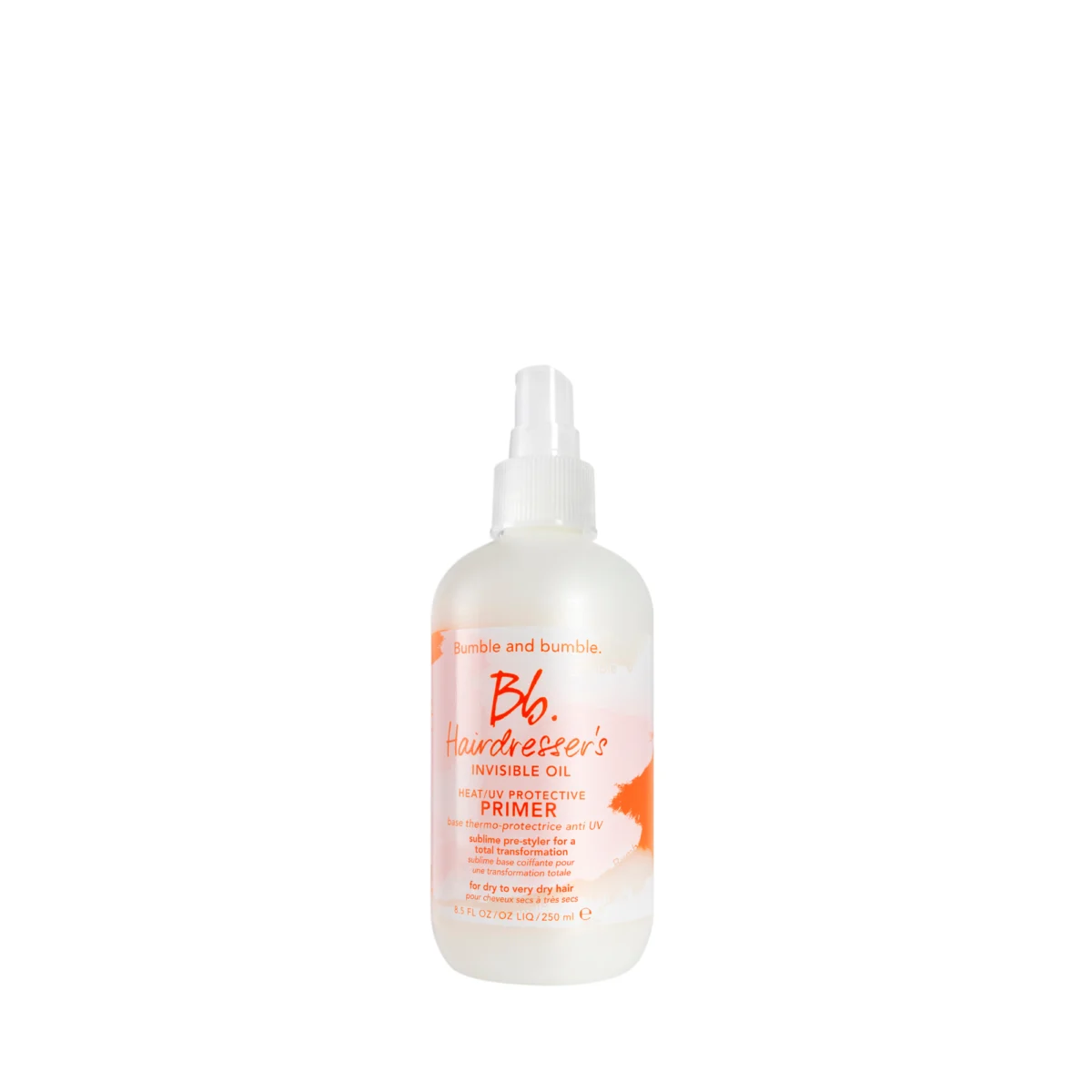
By the 1990s, Gordon recognized that the unique styles created in the salon required specific tools that didn’t yet exist on the market. This led to the launch of the Bumble and bumble product line, which quickly achieved cult status. Products like the Surf Spray and Grooming Creme became staples in the kits of session stylists worldwide. This meteoric rise in product popularity caught the attention of the Estée Lauder Companies, the global beauty behemoth. In 2000, ELC acquired a majority stake in the brand, eventually taking full ownership. This acquisition provided the capital and infrastructure to turn a boutique New York salon into a global powerhouse, yet the 56th Street salon remained the spiritual heart of the company—a place where the "Bb. University" trained thousands of stylists in the brand’s signature techniques.
The decision to close the Midtown East location is particularly poignant given its status as the brand’s "heritage" site. For many veteran stylists, 56th Street was more than a workplace; it was an academy of excellence. However, the landscape of Manhattan has shifted significantly over the last decade. The rise of the Meatpacking District as a cultural and fashion hub led to the opening of the "House of Bumble" on 13th Street in 2002. This sprawling, multi-story flagship, which features an expansive salon, a cafe, and a corporate headquarters, will remain open. The Meatpacking location represents the modern face of Bumble and bumble—edgy, spacious, and situated in a neighborhood that currently rivals Midtown for fashion relevance. By consolidating its salon operations into the Meatpacking flagship, the brand is streamlining its physical presence in a city where commercial real estate costs and consumer foot traffic patterns have undergone a radical transformation post-pandemic.
Beyond the logistics of New York real estate, the closure of the Midtown East salon is a reflection of a larger corporate strategy at Estée Lauder known as "Beauty Reimagined." This strategic vision focuses on meeting consumers and professionals where they are most active, which increasingly means moving away from exclusive, company-owned retail/salon environments toward broader professional distribution.
A key indicator of this shift occurred in January of this year, when Bumble and bumble announced a landmark partnership with SalonCentric. Owned by L’Oréal but operating as the largest distributor of professional salon products in the United States, SalonCentric offers an unparalleled reach. The partnership allows Bumble and bumble products to be sold through more than 850 SalonCentric stores across the country, as well as through their extensive digital platforms.
Shane Wolf, the President of Global Brands for Bumble and bumble and Aveda at ELC, articulated the rationale behind this move at the time of the announcement. He noted that the expanded access is a "deliberate step" to reaffirm the brand’s commitment to the professional community. By making the products available to a wider array of hairdressers and independent stylists through SalonCentric, the brand is effectively decentralizing its influence. The goal is no longer to bring every stylist to a single "heritage" building in Midtown Manhattan, but to place the tools of the trade into the hands of professionals in every corner of the country.
The financial data supports this pivot. In the second quarter of the current fiscal year, the Estée Lauder Companies reported that its hair care division had returned to growth, with net sales increasing by 5 percent. A significant driver of this growth was attributed to the initial shipments and market enthusiasm surrounding the SalonCentric launch. This suggests that while the brand may be losing a physical landmark, it is gaining significant market share and brand visibility through wholesale and professional channels.
The closure also speaks to the changing habits of the prestige beauty consumer. The "heritage" salon model, while prestigious, often carries high overhead and relies on a specific type of destination shopper. In contrast, the modern consumer values accessibility and the ability to purchase professional-grade products through a variety of touchpoints. By focusing on the Meatpacking flagship—which serves as a content creation hub and a high-energy brand experience—while simultaneously expanding wholesale distribution, Bumble and bumble is positioning itself to thrive in a hybrid retail environment.
For the staff and loyal clients of the 56th Street salon, June 27 will undoubtedly be a day of reflection. The walls of that Midtown space have witnessed the evolution of hair trends from the power-cuts of the 80s to the deconstructed textures of the 2020s. It was a place where Michael Gordon’s original vision of "hairdresser-led" innovation was practiced daily. However, the brand’s leadership is clear: the spirit of Bumble and bumble is not tied to a single set of coordinates. The "heritage" lives on in the techniques taught to thousands of stylists and the products that continue to lead the market.
As the industry watches this transition, it serves as a case study for other legacy beauty brands. The move from a localized, flagship-centric model to a massive distribution-led strategy is a bold play in a competitive market. It acknowledges that in the digital age, brand prestige is built through widespread adoption and professional endorsement rather than just the exclusivity of a Midtown address.
While the doors on 56th Street will soon lock for the final time, the Bumble and bumble narrative is far from over. With the Meatpacking flagship continuing to serve as the brand’s creative North Star and the SalonCentric partnership opening doors to nearly a thousand new retail points, the brand is essentially trading a piece of its history for a larger stake in the future. The "End of an Era" in Midtown East is, in many ways, the necessary prologue to a new, more expansive chapter for one of the most influential names in hair. As June 27 approaches, the beauty world prepares to say goodbye to a legendary location, while looking forward to how the brand will continue to shape the industry from its new centers of gravity.