
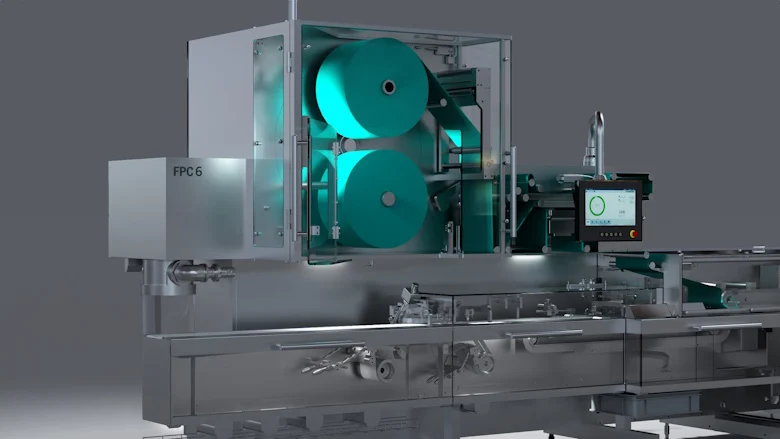
The global packaging landscape is currently navigating a complex intersection of challenges: a persistent shortage of skilled technical labor, an urgent mandate for sustainable material transitions, and the constant pressure to maximize throughput within shrinking factory footprints. In response to these industry-wide pressures, Dresden-based engineering powerhouse Theegarten-Pactec has unveiled its latest breakthrough, the FPC6 flow-wrapping machine. This system represents more than just an incremental upgrade; it is a fundamental reimagining of how chocolate, confectionery, snack bars, and functional foods are processed and protected. By integrating advanced automation with a user-centric design philosophy, the FPC6 aims to set a new benchmark for operational excellence in the high-speed flow-wrap sector.
Flow wrapping, or horizontal form-fill-seal (HFFS) packaging, has long been the workhorse of the snack industry. However, the traditional limitations of these machines—lengthy changeover times, sensitivity to material variations, and the need for highly experienced operators—have often created bottlenecks in production. Theegarten-Pactec’s debut of the FPC6 at major international trade fairs like interpack signals a strategic expansion of their portfolio, moving beyond their legendary reputation for small-piece wrapping into the high-performance bar and snack segment. The FPC6 is engineered to handle a diverse array of products, from protein and cereal bars to delicate chocolate tablets and functional snacks, offering a seamless transition from the primary wrapping stage to secondary cartoning.
One of the most significant hurdles facing modern manufacturers is the transition toward sustainable packaging materials. As brands move away from traditional multi-layer laminates toward recyclable mono-materials and paper-based substrates, the physical demands on the packaging machinery change. Paper, for instance, lacks the elasticity of plastic and is more susceptible to tearing or scorching during the heat-sealing process. The FPC6 addresses this through an innovative integrated preheating section. This feature ensures that even sensitive materials can be processed at high speeds without compromising the integrity of the seal or the aesthetic of the package. Furthermore, the machine is versatile enough to accommodate various sealing technologies, including cold sealing for heat-sensitive chocolates, traditional heat sealing, and specialized cut-seam welding for water-soluble films, providing manufacturers with the ultimate future-proofing against shifting environmental regulations.
In an era where the "skills gap" is a daily reality for plant managers, the FPC6’s "operator-independent" design philosophy is perhaps its most valuable asset. Theegarten-Pactec has focused heavily on reducing the cognitive load on the machine operator. The system’s human-machine interface (HMI) features enhanced visualization tools and graphic replacement images that guide users through troubleshooting steps. Unlike older systems where a fault at the discharge end might leave an operator guessing at the root cause, the FPC6’s digital networking allows it to identify upstream issues—such as synchronization errors with unpackaged products—and display them clearly on the control panel. This targeted support minimizes downtime and ensures that even a novice operator can maintain high levels of system availability.
This commitment to ease of use extends to format changes, which are historically the enemy of productivity. On the FPC6, every relevant setting is digitized and stored within a comprehensive recipe management system. The inclusion of electronic counting scales ensures that when a machine is adjusted for a new product size, the settings are perfectly reproducible every time. This eliminates the "trial and error" phase that typically accompanies mechanical changeovers, where operators manually tweak tensions and positions until the package "looks right." By digitizing these parameters, Theegarten-Pactec ensures that the first product off the line after a changeover is as perfect as the last one from the previous run.
Efficiency in the FPC6 is also measured by what it does while it is running at full tilt. The machine features "flying splice" technology, a sophisticated automated film-changing system that allows for continuous operation. In traditional setups, changing a roll of packaging film—which often occurs every 20 to 30 minutes—requires the machine to slow down or stop, and necessitates precise manual intervention to tape the new roll to the old one. With the FPC6, the operator simply places a new roll prepared with adhesive tape onto the machine. The system then automatically handles the positioning, alignment, and feeding. Most impressively, the splice occurs at full production speeds of up to 150 meters per minute. This "zero-downtime" approach to material handling significantly boosts the machine’s Overall Equipment Effectiveness (OEE).
Precision is further maintained through advanced web edge control. Directly via the HMI, operators can adjust the course of the film web to compensate for variations in different batches of material or environmental factors like humidity that might cause the film to drift. These adjustments are automatically saved to the recipe, ensuring that the target values remain consistent over time. This level of control is complemented by the machine’s longitudinal seal print image control. By monitoring the tension of the film at the forming shaft and adjusting it via the HMI, the FPC6 prevents the "rubber band effect," where stretched film causes the print image to become off-center or the cut to occur in the wrong place. This ensures that every flow pack looks premium on the retail shelf, regardless of the material’s elasticity.
From a spatial engineering perspective, the FPC6 is a masterclass in "performance per square meter." Recognizing that factory floor space is a premium commodity, Theegarten-Pactec’s engineers have condensed the machine’s footprint without sacrificing output. The product feed section is significantly shorter than previous generations, and the entire control cabinet is integrated into the rear of the machine frame. This eliminates the need for bulky external electrical housings, making the FPC6 an ideal choice for facilities looking to upgrade their capacity within existing layouts. Despite this compact footprint, the machine can reliably achieve product speeds of up to 100 meters per minute, a feat made possible by extensive pre-production testing with original customer products to ensure perfect synchronization between the feeder and the wrapping unit.
Theegarten-Pactec’s journey to the FPC6 is rooted in over a century of German engineering heritage. Based in Dresden, the company has built a global reputation for specializing in small-piece confectionery packaging—the types of high-speed twists and folds required for hard candies and toffees. By applying that same level of precision and mechanical rigor to the flow-wrapping segment, they have created a machine that is both a specialist and a generalist. The FPC6 is capable of being integrated into a completely automated turnkey line, taking products from the cooling tunnel all the way to the shipping carton.
Ultimately, the FPC6 represents a shift toward "smart" manufacturing. Its ability to network with other parts of the production line, its self-diagnostic capabilities, and its adaptability to the circular economy through sustainable material handling make it a pivotal tool for the modern food producer. As manufacturers face a future defined by volatile labor markets and rigorous environmental standards, the FPC6 provides a stable, high-performance platform that ensures packaging is never the weak link in the supply chain. Through this innovation, Theegarten-Pactec is not just expanding its flow-wrapping expertise; it is providing the industry with a roadmap for efficient, flexible, and reliable production in the 21st century.