

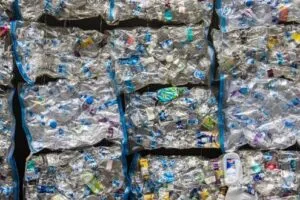
The joyous tradition of the Easter egg hunt, a cherished rite of spring across the United Kingdom, conceals a stark environmental reality: a colossal mountain of discarded packaging. New analysis conducted by waste management specialists BusinessWaste.co.uk reveals that the nation’s voracious appetite for chocolate confectionery during the festive period translates directly into an annual waste burden exceeding 5,000 tonnes of packaging materials. This figure, derived from meticulous examination of purchasing habits and product composition, highlights the urgent need for manufacturers to prioritize sustainability over excessive presentation.
The investigation centered on an assessment of ten leading, high-street Easter egg varieties. The findings paint a consistent picture of imbalance: on average, these seasonal treats are composed of only 75% edible chocolate. The remaining quarter of the product’s total weight—averaging approximately 70.9 grams per standard egg—is dedicated solely to protective and decorative packaging. While the chocolate itself contributes to seasonal consumption patterns, it is the non-edible elements that form the core of the environmental challenge.
Drilling down into the composition of this packaging waste stream, the data underscores the diversity of materials that enter the recycling or, worryingly, the landfill system post-celebration. Each typical Easter egg package, on average, contributes several distinct components to the waste pile. This typically includes a significant presence of plastic, often molded to cradle the fragile shell of the chocolate, alongside cardboard outer boxes or sleeves designed for shelf appeal. Furthermore, internal support structures, often made of more rigid plastics or sometimes thin films, are employed, along with decorative elements like ribbons, cellophane wraps, and sometimes even small, non-recyclable inserts. The precise breakdown, while varying slightly between brands, confirms that plastic and card dominate the discarded volume.
When scaled against the estimated 80 million Easter eggs sold annually within the UK, the collective environmental impact becomes staggering. Projecting the average packaging weight across this enormous sales volume results in a calculated figure of approximately 5,672 tonnes of packaging waste generated solely from these seasonal chocolate items. To put this tonnage into a more relatable context, this substantial waste output has significant implications across several environmental metrics.
This annual mountain of waste correlates with several concerning environmental consequences. Firstly, it represents a significant drain on natural resources used in the production of these materials—virgin plastics derived from fossil fuels and vast quantities of timber for cardboard production. Secondly, the energy expenditure associated with manufacturing, transporting, and ultimately disposing of over 5,600 tonnes of non-food material is substantial. Thirdly, and most pressingly, is the fate of this waste. While efforts are made to recycle cardboard, the complex, often multi-layered nature of food packaging, particularly involving plastic trays sealed with film, frequently leads to contamination or renders items unrecyclable through standard municipal streams, pushing them toward incineration or landfill.
The financial implications for local authorities and businesses managing this post-holiday surge in refuse are also notable. The cost associated with the collection, sorting, and processing of this high volume of packaging material places a discernible strain on municipal budgets. For businesses, this waste represents an unnecessary operational cost, particularly for those operating under stringent environmental regulations concerning commercial waste disposal.
Recognizing the severity of this annual waste surge, BusinessWaste.co.uk advocates strongly for immediate, tangible changes in product design, urging manufacturers to look beyond superficial presentation. The core of the proposed solution lies in radical packaging redesign focused on dematerialization and material substitution.
To effectively reduce the Easter egg packaging waste footprint, several actionable strategies must be implemented across the confectionery industry.
Firstly, the industry must commit to a comprehensive elimination of secondary plastic components. This means moving away from rigid plastic cradles entirely. Where protection is absolutely essential, companies should transition to molded pulp or paper-based inserts that are easily recyclable alongside the outer cardboard box. The days of unnecessary plastic blisters holding two halves of a chocolate egg must end.
Secondly, there needs to be a significant push towards simplification and mono-material use. Packaging should ideally consist of a single material type, preferably paper or card certified by the Forest Stewardship Council (FSC). This eliminates the costly and often unsuccessful separation processes required for mixed materials, vastly improving the end-of-life recycling stream.
Thirdly, manufacturers should explore ‘naked’ or minimal wrapping solutions for larger, more robust eggs. If the structural integrity of the chocolate allows, excessive plastic film wrapping should be replaced with simple, recyclable paper bands or completely omitted in favor of sturdy, unlaminated cardboard shells.
Fourthly, a cultural shift is required regarding decorative elements. Ribbons, plastic bows, and foil-lined internal wrappings—materials that are notoriously difficult to recycle—should be replaced with natural twine, compostable cellulose ribbons, or simply omitted altogether. The focus should shift from ornate decoration to robust, sustainable structure.
Fifthly, and perhaps most importantly for consumer engagement, is the adoption of clear, standardized labeling regarding disposal. Packaging must clearly indicate which components are recyclable, which are compostable, and which must be placed in general waste. This clarity empowers consumers to dispose of materials correctly, boosting recycling efficacy.
Mark Hall, a seasoned waste management expert at BusinessWaste.co.uk, reinforced this call to action. "Over the years, we have observed positive steps within the industry, with many major Easter egg producers making commendable efforts to reduce the reliance on virgin plastic in their packaging. This progress is vital, especially considering the resource-intensive nature of plastic production, where manufacturing just one tonne of plastic can generate five tonnes of carbon dioxide equivalent emissions."
Hall continued, expressing a firm expectation for future innovation: "However, we strongly urge manufacturers to accelerate their efforts and push even further to strip away unnecessary packaging surrounding these seasonal products. This isn’t merely an environmental imperative; it’s a matter of transparency. Reducing superfluous materials would not only yield substantial ecological benefits by cutting waste and emissions but would also allow consumers to see precisely what they are paying for—quality chocolate, rather than excessive protective layers."
In conclusion, while the UK population enjoys the temporary pleasure derived from millions of Easter eggs, the nation must confront the substantial, predictable waste bill that arrives shortly after the festivities conclude. Shifting the focus from visual extravagance to material responsibility is essential if the industry is to align the joy of Easter treats with a genuine commitment to circular economy principles. The 5,000-tonne annual warning signal demands that manufacturers treat packaging reduction not as an optional extra, but as a core design specification for the next generation of seasonal confectionery.