
The landscape of corporate identity in the United Kingdom is undergoing a seismic shift, moving away from the era of mass-produced, disposable promotional items toward a new philosophy of "fewer, better things." For decades, the industry term “swag” was synonymous with a specific kind of clutter: flimsy plastic pens that leaked in suit pockets, scratchy polyester t-shirts that shrunk after a single wash, and the ubiquitous, paper-thin non-woven tote bags that tore under the weight of a single grocery item. These items, once intended to build brand awareness, have increasingly become liabilities. In a modern economy defined by environmental consciousness and a discerning consumer base, "throwaway" culture doesn’t just clutter a landfill; it actively erodes the perceived value of the brand whose logo is printed on the side.
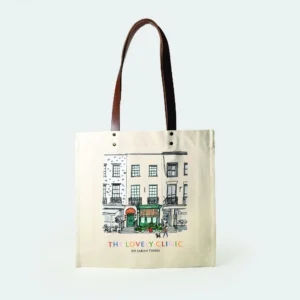
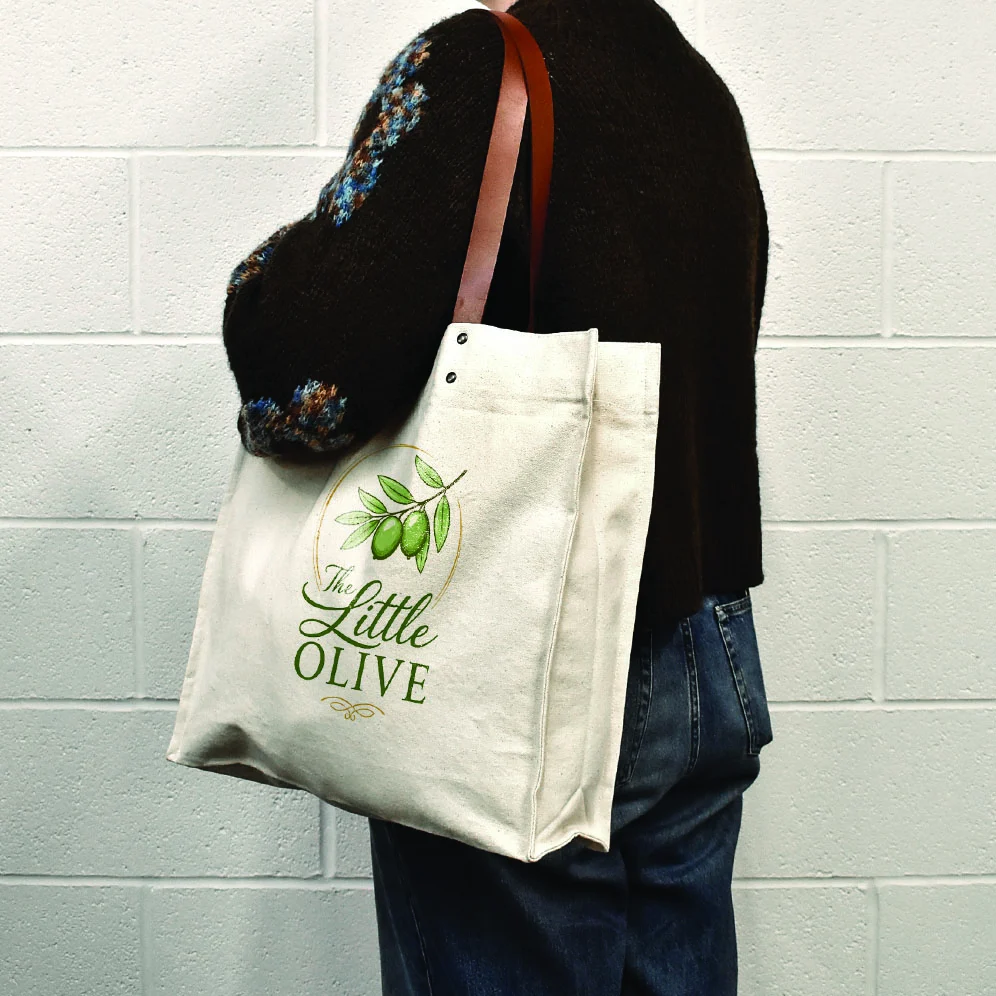
Recognizing this critical turning point, a new benchmark for excellence has emerged in the UK market. The introduction of a retail-grade, heavy-duty canvas bag with genuine leather handles marks more than just a product launch; it signifies the arrival of the "Anti-Swag" movement. This movement is built on the premise that a branded item should be a gift of genuine utility and aesthetic merit—something a recipient would choose to use regardless of the branding. By merging the rugged, utilitarian appeal of high-density cotton canvas with the sophisticated, tactile luxury of leather, this new offering is designed to elevate brand identity from a mere marketing message to a lifestyle accessory.
The psychology of gifting has long suggested that the quality of a gift is a direct reflection of the giver’s estimation of the recipient. In a corporate context, providing a client or employee with a low-quality item sends a subtle but damaging message about the relationship’s value. Conversely, a premium, well-crafted item like a leather-handled tote leverages the "Endowment Effect"—a psychological phenomenon where individuals place a higher value on objects they own, particularly those that feel substantial and durable. When a brand chooses to distribute a product of this caliber, it transitions from a fleeting interaction to a permanent fixture in the recipient’s daily life.
To understand why this specific product is disrupting the UK market, one must look closely at its technical specifications. This is not a standard promotional tote; it is a piece of engineered luggage. The foundation is built on heavy-duty, high-GSM (grams per square meter) cotton canvas. This density ensures the bag maintains its structure and aesthetic appeal even after years of heavy use. The inclusion of genuine leather handles, secured with reinforced stitching and industrial-grade metal rivets, provides a level of durability that far exceeds the industry standard. This focus on "Premium Specification" ensures that the bag can transition seamlessly from a high-stakes business meeting to a weekend outing, providing the brand with high-visibility exposure in diverse environments.
However, in 2026, quality is only one side of the coin. The modern UK business environment is governed by strict ESG (Environmental, Social, and Governance) criteria. Consumers and corporate procurement departments alike are demanding total transparency in the supply chain. It is no longer enough for a product to look good; it must also be "good" in its origin. This is why the ethical manufacturing of this new collection is so significant. Produced in facilities that have undergone rigorous SEDEX (Supplier Ethical Data Exchange) audits, these bags come with a guarantee of ethical integrity. A SEDEX audit is a globally recognized standard that assesses a factory based on four pillars: labor standards, health and safety, environmental impact, and business ethics. For a UK marketing manager, this certification provides the peace of mind that their brand is not being built on the back of exploitative practices. It allows the story of the bag to be one of conscious consumption and social responsibility.
The strategic advantage of this new product line is further amplified by its tailoring to the specific needs of the UK market. Historically, high-end bespoke manufacturing required long lead times and massive minimum order quantities (MOQs), often necessitating overseas shipping that added weeks to a project timeline and significantly increased the carbon footprint. The new model flips this script. By maintaining significant stock levels within the UK, the "Bag Workshop" can offer rapid turnaround times and low MOQs. This agility is a game-changer for event planners who may only need 50 units for a VIP retreat or a boutique retail brand testing a new merchandise line. It democratizes luxury, allowing smaller firms to compete with the branding sophistication of multinational corporations.
The versatility of the leather-handled canvas bag makes it a "chameleon" in the world of corporate gifting. In the realm of high-end events and conferences, it serves as the ultimate "Welcome Kit" container. Instead of a plastic bag filled with flyers, attendees receive a piece of luggage they will use for their commute or as a carry-on for their flight home. In the corporate world, it has become a staple of "New Starter" onboarding packages. Gifting a new employee a high-quality bag on their first day is a powerful ritual of inclusion, signaling that the company invests in its people and its image. Furthermore, for the hospitality and retail sectors, these bags offer a lucrative revenue stream as high-margin "souvenir" items that customers are actually eager to purchase.
The branding potential of this canvas-leather hybrid is equally impressive. The material provides a stable, high-quality substrate for various decoration methods. With a generous 25x25cm print area on both sides, the bag acts as a mobile billboard. However, the quality of the material allows for more than just standard screen printing. Brands can opt for high-density embroidery, which adds a three-dimensional texture, or even Direct-to-Film (DTF) transfers for complex, multi-colored photographic designs. For a more subtle, "quiet luxury" approach, many brands are choosing to print on the internal pocket, creating a hidden message that only the user sees, thereby deepening the personal connection between the brand and the individual.
As we look toward the future of the UK promotional industry, it is clear that the "Gold Standard" has been redefined. The era of the "disposable" is being replaced by the era of the "durable." This shift is driven by a realization that every physical object a company puts out into the world is a representative of its values. A bag that lasts ten years and develops a beautiful patina on its leather handles is a far more effective marketing tool than a thousand plastic pens that end up in the bin within a week. It represents a commitment to the planet, a respect for the recipient, and a belief in the enduring power of quality craftsmanship.
In conclusion, the introduction of this premium canvas and leather collection is a call to action for UK brands to reconsider their physical footprint. It challenges the status quo by proving that speed, ethical integrity, and luxury can coexist in the promotional space. By choosing to invest in items that people truly value, companies are not just buying merchandise; they are building a legacy of quality. The new gold standard isn’t just about a bag; it’s about a fundamental shift in how we perceive the intersection of branding, utility, and ethics in the modern age. Whether for a major product launch, a curated corporate gift, or a retail expansion, the message is clear: your brand deserves better than "swag." It deserves a masterpiece of functional design.