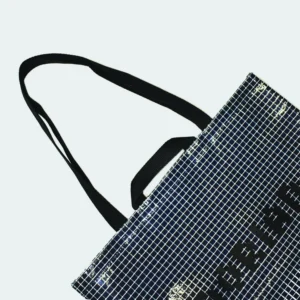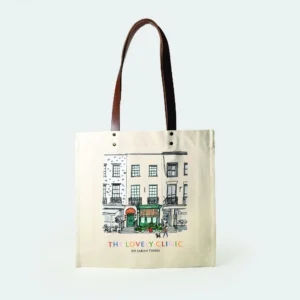

In the contemporary landscape of brand marketing, the distinction between a "promotional giveaway" and a "premium brand asset" has never been more critical. As markets become increasingly saturated with low-quality, disposable merchandise, discerning brands are pivoting toward bespoke product development to reinforce their market position. This shift is not merely about aesthetics; it is about the intersection of high-level utility, material science, and uncompromising brand alignment. The Bag Workshop recently undertook a comprehensive design development project to create a custom cooler bag for a premium client, a process that serves as a blueprint for how technical engineering and luxury design can coexist in a single, functional product.
The primary challenge of this project was rooted in the concept of "luxury utility." The client, an established premium brand known for its elegance, required a cooler bag that could maintain rigorous thermal standards and food-grade hygiene while appearing as a sophisticated accessory rather than a utilitarian tool. In the world of high-end retail, every touchpoint must reflect the brand’s core values. A standard, off-the-shelf cooler bag—often characterized by thin insulation, generic colors, and flimsy hardware—would have actively damaged the client’s brand equity. Therefore, the design brief necessitated a ground-up development process, focusing on three pillars: precision aesthetics, thermal integrity, and custom hardware.
The first phase of development centered on "Precision Aesthetics," specifically the science of color and fabric texture. For a premium brand, color is not a suggestion; it is a signature. The Bag Workshop utilized a rigorous Pantone-matching process to ensure the exterior fabric was an exact replica of the brand’s corporate identity. This goes beyond simple dye-sublimation; it involves selecting a base material—in this case, a high-denier, durable textile—that can hold pigment consistently across different lighting conditions. The choice of fabric was critical; it needed to be robust enough to handle the weight of chilled bottles and food items while maintaining a soft, premium "hand-feel" that resonates with luxury consumers. By matching the fabric to exact specifications, the bag ceased to be a separate item and instead became an organic extension of the client’s existing product suite.
Moving from the exterior to the interior, the second phase focused on "Thermal and Hygienic Integrity." A cooler bag is only as good as its ability to regulate temperature. However, in a premium context, the internal materials must also be easy to maintain. We engineered a multi-layered thermal barrier designed to minimize heat transfer. This wasn’t a standard foil lining; we utilized advanced thermal fabrics that provide a superior R-value (insulation rating) while remaining slim enough to maintain the bag’s elegant silhouette. Furthermore, food safety was a non-negotiable requirement. The interior was finished with a high-grade, wipe-clean, and leak-proof lining. This ensures that even if a spill occurs, the bag can be restored to a pristine, hygienic state instantly. This attention to "hidden" details—the parts of the bag the customer only sees when it is in use—is what separates professional product development from basic manufacturing.
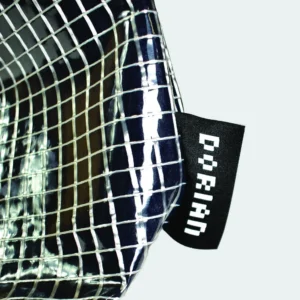
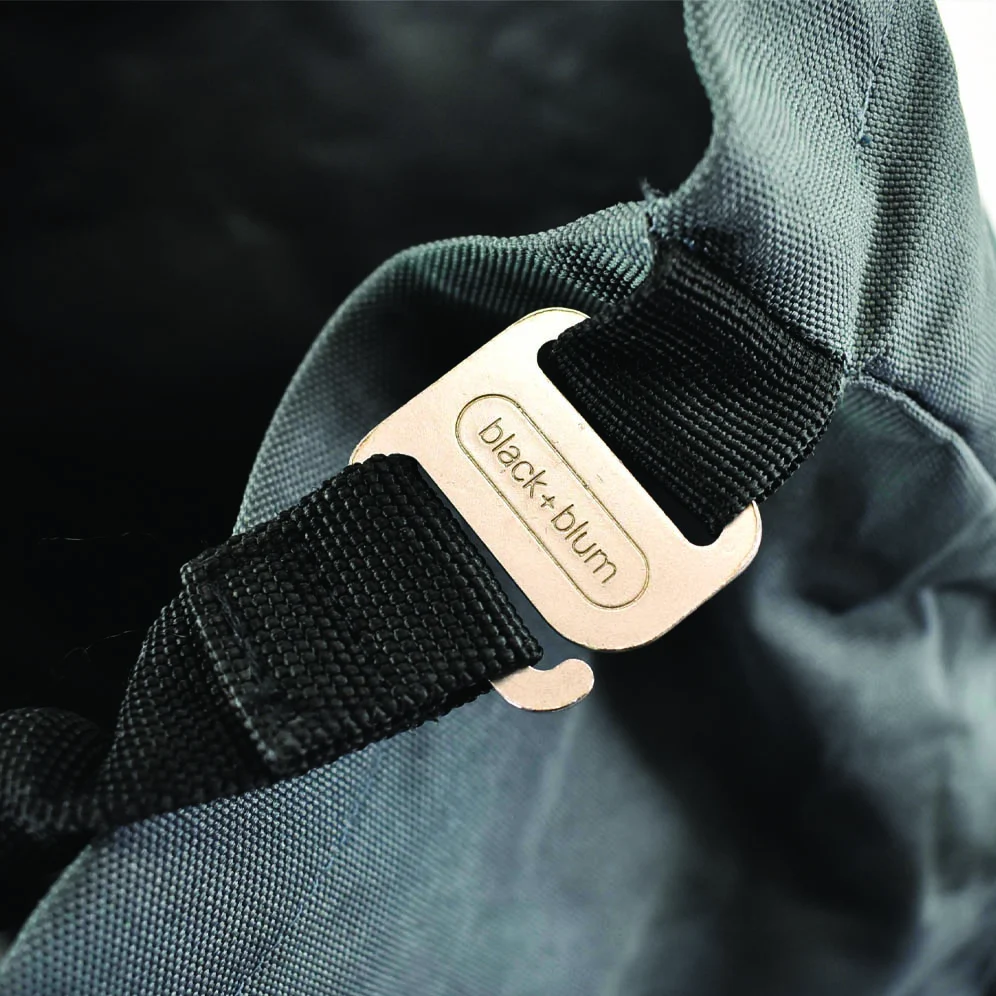
The third phase of the journey involved "Sophisticated Branding and Custom Components." In luxury design, the most powerful branding is often the most subtle. We moved away from large, intrusive screen prints in favor of a woven brand label and bespoke hardware. The hardware, including closures and handle attachments, was not sourced from a catalog of generic parts. Instead, we focused on finding solutions that offered a tactile sense of quality. This included the development of custom-engraved metal components that provide a satisfying weight and "click" when used. The handles were engineered for ergonomic comfort, ensuring that even when the bag is fully loaded, it remains easy to carry. These micro-details act as "quality cues" for the consumer, subconsciously reinforcing the idea that the brand does not cut corners.
The development process itself was an iterative, collaborative journey. Bag design development is rarely a straight line; it involves a series of prototypes and sampling phases where the "theory" of the design is tested against the "reality" of manufacturing and usage. During the sampling stage, we scrutinized the tension of the stitching, the fluidity of the zippers, and the structural integrity of the base. We worked within the project’s specific budgetary constraints without sacrificing the premium "feel" of the final product. This balance is the hallmark of a specialized bag design service: the ability to deliver high-end results through clever material sourcing and efficient engineering rather than simply throwing money at the most expensive components.
The results of this meticulous development process were twofold. From a functional perspective, the bag performed flawlessly, keeping contents at the desired temperature for extended periods and proving easy to sanitize. From a branding perspective, the outcome was even more significant. The cooler bag was met with high acclaim, successfully bridging the gap between a promotional item and a retail-quality accessory. It reinforced the client’s credibility, showing their audience that they apply the same level of care to their merchandise as they do to their primary products. This "halo effect" is invaluable in building long-term customer loyalty and brand advocacy.
This case study underscores a broader truth in the world of modern marketing: merchandise is a physical manifestation of a brand’s promise. When a company gives a customer a bag, they are giving them a piece of their identity. If that bag fails, leaks, or looks cheap, the brand’s image suffers accordingly. Conversely, a well-engineered, bespoke solution like the one developed by The Bag Workshop becomes a lasting billboard for quality. It moves through the world—at picnics, on boats, at sporting events—carrying the brand’s message of excellence to a wider audience.
The Bag Workshop, as part of The Wurlin Group, brings a unique perspective to this type of project. We do not view ourselves merely as suppliers, but as consultants and partners in the creative process. Our expertise extends beyond bags into the broader realm of bespoke umbrellas, custom packaging, and innovative branded solutions. This holistic understanding of the promotional landscape allows us to source products with a global reach, ensuring that we can find the exact materials and manufacturing techniques required for any given brief. Whether working with a creative agency looking to realize a complex vision or a brand owner seeking to elevate their merchandise line, our approach remains the same: diligent exploration, structured coordination, and a relentless focus on the end-user experience.
In conclusion, the creation of this premium cooler bag was more than a manufacturing exercise; it was a study in how thoughtful bag design development can solve logistical challenges while upholding aesthetic standards. By prioritizing Pantone precision, thermal innovation, and custom hardware, we created a product that was truly "fit for purpose." In an era where consumers are increasingly conscious of quality and longevity, the "disposable" model of branding is dead. The future belongs to brands that invest in products that last, products that function, and products that reflect the true essence of their brand. If you are ready to move beyond the ordinary and develop merchandise that truly resonates, The Bag Workshop is ready to turn your vision into a tangible, premium reality. Contact us today to begin your own journey of product design development and discover what a truly bespoke solution can do for your brand’s credibility and reach.