

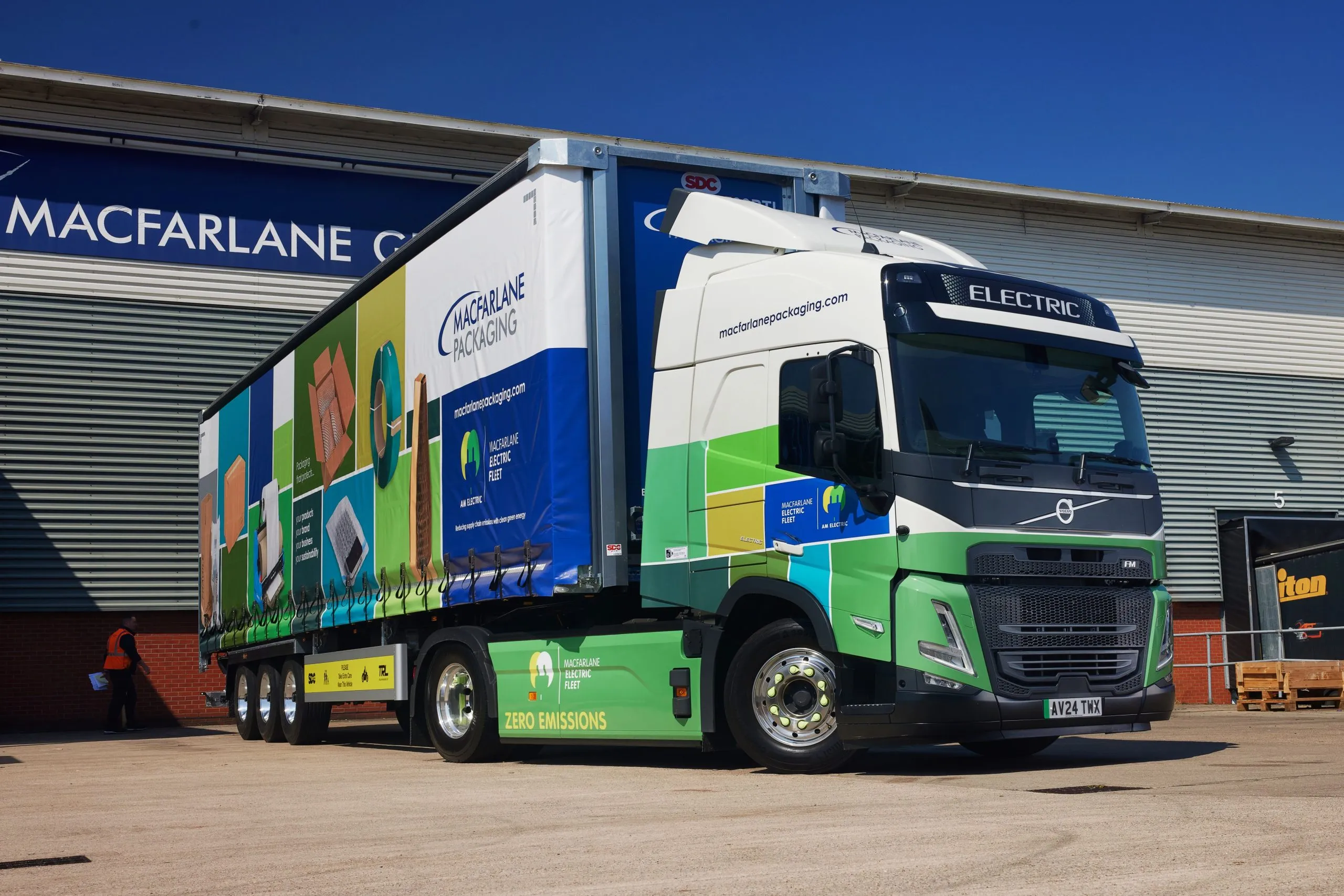
Macfarlane Packaging, a leading provider of protective packaging solutions, is dramatically accelerating its commitment to environmental stewardship through a significant capital investment in its transportation infrastructure. The company has successfully integrated five new, state-of-the-art electric vehicles (EVs) into its operational backbone, marking a pivotal moment in its comprehensive decarbonization strategy. This latest acquisition—comprising four rigid electric trucks and one fully electric articulated tractor unit—represents more than a doubling of the existing electric contingent within Macfarlane’s extensive UK distribution network, signaling a robust, tangible shift away from reliance on traditional diesel power.
This strategic fleet enhancement is projected to yield immediate and substantial dividends in the company’s ongoing carbon reduction program. Previous initiatives within Macfarlane’s operational framework have already successfully driven down the organization’s aggregate carbon dioxide (CO2) emissions by an impressive 32%. The introduction of these zero-emission heavy-duty vehicles is anticipated to dramatically increase the pace of this reduction, moving the company closer to its long-term net-zero targets while simultaneously offering tangible environmental benefits to its diverse customer base.
The new additions, all manufactured by Volvo, are strategically positioned across Macfarlane’s critical distribution hubs throughout the United Kingdom. Their deployment is specifically designed to broaden the scope and reliability of zero-emission delivery capabilities. This investment is not an isolated event but rather a crucial component of a much wider, holistic sustainability transition underway across the entire Macfarlane group. This broader transition encompasses the progressive electrification of its substantial forklift fleet used in warehousing operations and a systematic overhaul of its corporate car fleet, complemented by sustained, significant investments in on-site and procured renewable energy sources.
David Patton, Macfarlane’s dedicated Head of Sustainability, articulated the strategic importance of this move: "Sustainability is fundamentally embedded within the core of our corporate strategy. It has evolved beyond a mere compliance exercise; it is now a vital differentiator in the marketplace. By demonstrably reducing our environmental footprint, we are directly assisting our valued customers in achieving their own ambitious sustainability mandates, while simultaneously optimizing the efficiency and long-term viability of our internal operations."
A key enabler for Macfarlane’s successful transition to electric heavy goods vehicles (HGVs) lies in the intrinsic nature of the products they transport. Packaging materials, particularly corrugated cardboard—a staple in Macfarlane’s offerings—are characterized by their lightweight properties. This low payload-to-volume ratio ensures that the operational range and payload capacity of current EV technology are entirely suitable for the majority of Macfarlane’s delivery routes, removing a traditional barrier often cited in the heavy transport sector. Furthermore, the specified Volvo electric models boast an exceptionally rapid turnaround time for recharging. With a typical charging duration of only 2.5 hours, these vehicles possess the flexibility to be recharged efficiently during mid-shift operational breaks, maximizing their ‘time on the road’ availability and ensuring service level agreements (SLAs) are maintained or exceeded for customer deliveries.
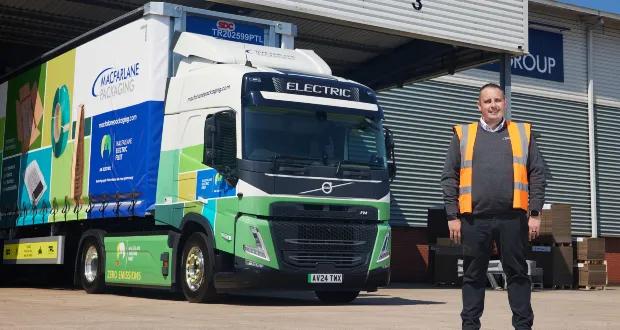
Patton further emphasized the tangible impact on service delivery: "These new trucks serve as undeniable, physical proof that our sustainability roadmap is being actively implemented and realized. They form a crucial part of our overarching commitment to collaborate with our customers, helping them source superior packaging solutions that simultaneously drive down their operational costs and drastically minimize their ecological impact across the supply chain."
The localized benefits of the deployment are keenly felt at the operational level. Lynsey Hart, the Regional Business Manager overseeing Macfarlane’s Wakefield facility—the site hosting the company’s largest new electric unit—spoke passionately about the local implications. "Here in Wakefield, we feel a profound sense of responsibility towards our local community. We are immensely proud that our site is playing a leading role in this environmental endeavor. The ability to reliably serve our customer base across the whole of West Yorkshire with zero tailpipe emissions represents the ideal synergy for us—meeting commercial demands while actively cleansing the air quality in the areas where our colleagues live and work."
The expansion of the EV fleet is also facilitating deeper engagement with clients seeking demonstrable Scope 3 emission reductions in their procurement process. Macfarlane is now uniquely positioned to offer customers verifiable data on the reduced carbon intensity of their deliveries, a growing requirement in corporate responsibility reporting frameworks globally. This proactive approach solidifies Macfarlane’s position not merely as a supplier, but as a strategic sustainability partner in the complex modern supply chain.
Financially, the investment aligns with long-term operational cost savings projections. While the initial capital outlay for electric HGVs remains higher than their diesel counterparts, the lower running costs associated with electricity versus fluctuating diesel prices, coupled with reduced maintenance requirements inherent in electric powertrains, are expected to deliver a compelling total cost of ownership (TCO) profile over the vehicles’ operational lifespan. This foresight ensures that Macfarlane’s commitment to the planet is also underpinned by sound, future-proofed business economics.
The integration process has involved significant logistical planning, including the necessary upgrades to charging infrastructure at the distribution centers. Macfarlane’s engineering and facilities teams have worked in close collaboration with energy providers and vehicle manufacturers to ensure seamless integration into existing operations, minimizing disruption while preparing the sites for the full transition expected over the coming decade.
In summary, Macfarlane’s aggressive pursuit of fleet electrification—a move validated by the robust capabilities of modern electric trucking technology—underscores a comprehensive corporate philosophy where commercial success and environmental leadership are mutually reinforcing objectives. By doubling down on zero-emission transport, Macfarlane is not just adapting to regulatory pressures; it is setting a new standard for sustainable logistics within the packaging industry, cementing its role as a forward-thinking leader driving the transition to a low-carbon economy.