
The rapid evolution of the digital landscape has transformed once-simple tools into sophisticated gateways for global commerce and consumer engagement. At the heart of this transformation is the QR code, a technology that has transitioned from a niche inventory management tool to an indispensable bridge between physical and digital worlds. Uniqode, a leading enterprise-grade QR code platform, has recently unveiled its comprehensive "State of QR Codes 2026" report. This second annual publication offers an exhaustive look into the trends, behaviors, and benchmarks shaping the industry, drawing on data from over 500 marketing professionals and 1,000 American consumers. The findings suggest a fundamental shift in how businesses perceive the "scan," moving away from one-off interactions toward long-term lifecycle management and first-party data acquisition.
As we look toward 2026, the report highlights that QR code adoption has reached a point of near-universal saturation. For years, skeptics questioned whether the technology would fade after the initial pandemic-era surge in contactless dining and sanitation. However, the data proves otherwise: 71% of consumers now identify QR codes as a useful, everyday component of their lives. For marketers, the sentiment is even more overwhelming, with a staggering 98% reporting that QR codes have had a tangible, positive impact on their marketing strategies over the last year. This high level of satisfaction signals that the "QR code renaissance" was not a fleeting trend but a permanent shift in the consumer-brand interface.
One of the most compelling insights in the Uniqode report concerns the disconnect between marketer expectations and their current measurement capabilities. While 56% of marketers expect QR codes to be significant drivers of revenue growth by 2026, only 12% are currently tracking the direct impact of these scans on their bottom line. This gap represents a major frontier for the next two years. Currently, marketing teams are prioritizing "top-of-funnel" and engagement metrics. Approximately 30% of respondents focus on click-through rates (CTR), another 30% prioritize general customer engagement, and 22% look at conversion rates. While these metrics are vital for assessing campaign health, the report suggests that the industry is on the verge of a "measurement revolution" where scans will be tied directly to point-of-sale data and lifetime customer value.
Sharat Potharaju, the Co-Founder and CEO of Uniqode, emphasizes that the true power of these pixelated squares lies in their ability to facilitate deep, data-driven relationships. According to Potharaju, QR codes have evolved far beyond the capacity to simply host a static URL. Over 90% of marketers now recognize that the primary value of a QR code is its ability to capture first-party data. In an era where third-party cookies are being phased out and privacy regulations like GDPR and CCPA are tightening, the ability to engage a customer directly through a physical touchpoint—be it packaging, signage, or a direct mail piece—is invaluable. By scanning a code, a customer provides a direct signal of intent, allowing brands to understand who their customers are and what they desire in real-time. This creates a unique opportunity to build trust through transparency and personalized value, turning a single scan into a decade of loyalty.
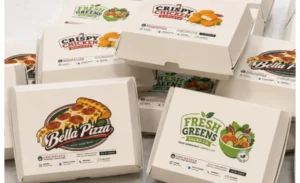
The report also dives deep into the concept of "phygital" marketing—the blending of physical and digital experiences. As brands look to 2026, the physical product itself is becoming a digital channel. This is particularly evident in the CPG (Consumer Packaged Goods) and retail sectors. No longer is a box just a container; it is a portal to an ecosystem of recipes, tutorials, loyalty programs, and sustainability reports. The Uniqode data suggests that consumers are increasingly scanning to verify product authenticity and to learn about the ethical footprint of their purchases. This shift toward "radical transparency" is being fueled by QR codes that provide instant access to supply chain data, a trend that is expected to accelerate as the global GS1 Digital Link standard begins to replace traditional 1D barcodes by 2027.
Justine BaMaung, VP of Marketing at Uniqode, notes that the most successful companies are those that treat QR codes as a managed asset rather than a campaign afterthought. The report identifies a trend toward "lifecycle management," where codes are monitored, updated, and optimized over time. Unlike static codes, dynamic QR codes allow marketers to change the destination URL or the content behind the code without ever having to reprint the physical collateral. This flexibility is essential for large-scale enterprises that manage thousands of codes across various regions and product lines. BaMaung points out that the highest return on investment (ROI) is currently being seen by brands that invest in branded, aesthetically pleasing codes that align with their visual identity, rather than the standard black-and-white patterns of the past.
Furthermore, the "State of QR Codes 2026" report touches upon the critical issue of security and consumer trust. As QR codes become more prevalent, the risk of "QRishing" (QR code phishing) has grown. Uniqode’s research indicates that consumers are more likely to scan codes that are clearly branded and hosted on secure, recognizable domains. For enterprises, this means that the choice of a QR code platform is no longer just about utility; it is about security. Features such as SOC2 compliance, multi-factor authentication, and custom domain masking have become non-negotiable for brands looking to protect their customers and their reputation.
The geographical data within the report also sheds light on the democratization of the technology. While the US market has seen massive growth, the report notes that the sophistication of use cases is expanding globally. In urban centers, QR codes are being integrated into smart city initiatives, providing real-time transit updates and digital access to municipal services. In rural areas, they are being used by agricultural tech firms to provide farmers with localized weather data and soil analysis. This versatility ensures that the QR code remains a resilient technology across different demographics and economic environments.
Looking forward to the 2026 horizon, the report identifies several emerging "megatrends." One is the integration of Augmented Reality (AR) with QR codes. By scanning a code on a furniture catalog, a consumer can instantly visualize a 3D model of a sofa in their own living room. Another trend is the rise of "shoppable" physical media, where QR codes on out-of-home (OOH) advertisements like billboards and bus stops allow for instant mobile checkout. This effectively turns the entire world into a storefront, collapsing the distance between a consumer’s moment of inspiration and their final purchase.
The Uniqode report concludes that the next two years will be defined by the "intelligent scan." We are moving into an era where a QR code is not just a link, but an intelligent agent capable of delivering different experiences based on the time of day, the location of the scanner, and the individual’s previous interactions with the brand. For example, a QR code on a coffee cup might offer a discount on a morning pastry at 8:00 AM, but transition to a feedback survey or a loyalty point tracker by 2:00 PM. This level of contextual relevance is what will separate market leaders from their competitors.
In summary, "The State of QR Codes 2026" provides a roadmap for a future where the digital and physical realms are inextricably linked. The data from Uniqode serves as a wake-up call for the 88% of marketers who are not yet measuring revenue impact, urging them to move beyond surface-level metrics. As consumer expectations for utility, speed, and security continue to rise, the QR code stands as the most efficient tool for brands to navigate the complexities of modern commerce. By focusing on first-party data, lifecycle management, and secure, branded experiences, businesses can leverage the humble QR code to drive not just scans, but sustainable growth and meaningful human connection in an increasingly automated world.