

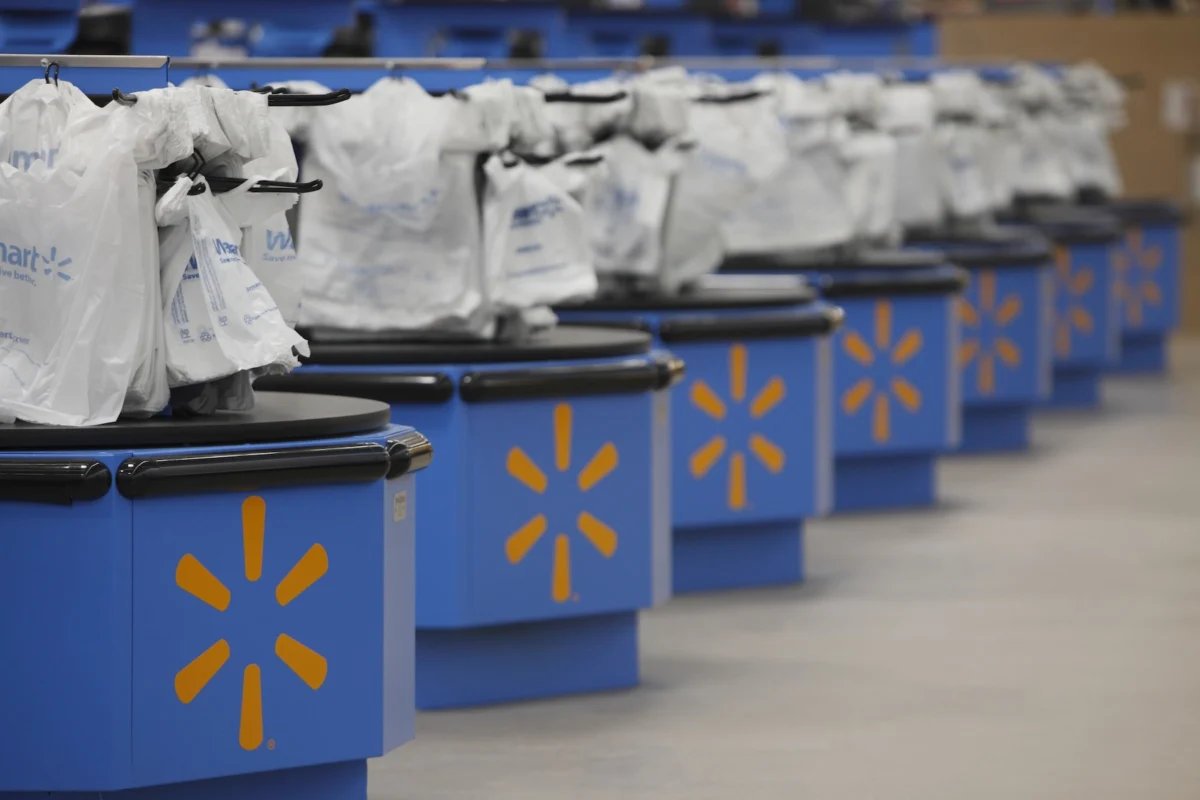
The global textile industry is currently navigating a period of profound transformation, characterized by a dual focus on hyper-performance and radical transparency. As consumer demand for ethical production converges with the technical requirements of modern lifestyle and workwear, the sector’s most prominent players are forming strategic alliances to scale next-generation solutions. From the massive supply chains of retail behemoths like Walmart to the specialized laboratories of materials science startups, the latest developments in the "Material World" underscore a shift toward a circular, data-driven, and bio-based future. This evolution is not merely about aesthetic trends but represents a fundamental re-engineering of the fibers that comprise our daily lives, prioritizing environmental stewardship without compromising on the technical capabilities of the fabric.

A cornerstone of this movement is the recent announcement that Walmart, the world’s largest retailer, has officially joined the U.S. Cotton Trust Protocol. This move signals a significant escalation in the retail industry’s commitment to traceable and responsibly sourced natural fibers. The U.S. Cotton Trust Protocol, established in 2020, operates as a voluntary, science-based sustainability program designed to provide quantifiable and verifiable goals for cotton production. For a giant like Walmart, which operates on a scale that can shift entire global markets, membership in the Protocol is a "scale play" that brings immense weight to the push for supply chain transparency.
By participating in the Protocol, Walmart gains access to a sophisticated traceability platform that allows the company to track U.S.-grown cotton from the farm level through every node of the manufacturing process. This is critical for meeting increasingly stringent global ESG (Environmental, Social, and Governance) standards and consumer expectations regarding the origin of their clothing. The Protocol measures six key sustainability metrics: land use efficiency, soil carbon, water management, greenhouse gas emissions, energy efficiency, and fiber quality. Data from these metrics are verified by independent third parties, ensuring that the "sustainable" label is backed by empirical evidence rather than marketing rhetoric. Jerome Del Porto, Walmart’s head of corporate sustainability, emphasized that this partnership is a vital step in the company’s broader journey to drive meaningful change. This journey includes ambitious goals beyond cotton sourcing, such as Walmart’s pledge to manage, protect, or restore 50 million acres of land and one million square miles of ocean by 2030.

While Walmart focuses on the raw materials of the mass market, LifeLabs is pushing the boundaries of what fabrics can do for the human body. The materials science innovator has recently entered into a strategic partnership with South Korea’s Shinhan Textile Mill to expand the global footprint of its "WarmLife" technology. LifeLabs, which emerged from the labs of Stanford University, specializes in thermoregulating textiles that reduce the energy footprint of the wearer. The WarmLife fabric utilizes a patented metallic nano-layer that is engineered to reflect 97 percent of a person’s body heat back toward the skin. This allows for the creation of garments that are significantly lighter and more packable than traditional thermal wear while providing superior warmth.
The collaboration with Shinhan Textile Mill is a tactical move to move WarmLife from a niche innovation to a mass-market reality. Shinhan is a world-class producer of technical woven fabrics, particularly for the outdoor and activewear sectors. By leveraging Shinhan’s production expertise and high-quality manufacturing infrastructure, LifeLabs aims to supply its advanced thermoregulating fabrics to a broader array of global apparel brands. Sophia Ou, CEO and co-founder of LifeLabs, noted that Shinhan’s reputation for quality makes them an ideal partner to help deliver "thinner, warmer" performance to the world. The science behind WarmLife also carries a sustainability narrative: by making clothing more thermally efficient, individuals may rely less on indoor heating, potentially lowering personal carbon footprints.

In the realm of bio-based alternatives, Natural Fiber Welding (NFW) continues to gain national recognition for its role in the circular economy. The Peoria, Illinois-based company recently secured the No. 69 spot on Time and Statista’s list of "America’s Top Greentech Companies" for 2026. This represents a meteoric rise of 113 spots from its previous ranking, making it the highest-ranked green-tech firm in the state of Illinois. NFW has distinguished itself by developing a suite of technologies that allow for the creation of high-performance materials—such as "Mirum" (a leather alternative) and "Clarus" (a high-performance recycled cotton)—without the use of synthetic plastics, petroleum-based glues, or toxic chemicals.
The success of NFW is rooted in its "Natural Fiber Welding" process, which uses ionic liquids to swell and fuse natural fibers at the molecular level. This creates materials that rival the durability and performance of synthetics but remain entirely bio-based and biodegradable. Steve Zika, NFW’s CEO, highlighted that the company’s products are proof that 100 percent bio-based materials can meet and exceed the rigorous demands of the modern marketplace. As the industry faces increasing pressure to move away from "forever chemicals" and microplastic-shedding synthetics, NFW’s ability to scale plastic-free performance is becoming a benchmark for the circular economy.

Even established giants of the fiber world are finding ways to innovate amidst structural changes. The Lycra Company, despite recently filing for Chapter 11 bankruptcy as part of a financial restructuring, continues to lead in denim innovation. At the Kingpins Amsterdam trade show, the company unveiled "Lycra VintageFX," a new fiber designed to bridge the gap between old-school aesthetics and modern comfort. The denim market has seen a significant shift toward "away-from-the-body" silhouettes, such as wide-leg and "mom" jeans. While these styles prioritize a rigid, vintage look, they often lack the comfort and shape retention of modern stretch denim.
Lycra VintageFX addresses this by utilizing a dual-core yarn construction. This technology provides high recovery and low growth, meaning the jeans retain their shape at high-stress points like the waist and knees, even in looser fits. It allows designers to create fabrics that look like authentic, heavy-weight vintage denim but feel soft and move with the wearer. Ebru Ozaydin, Lycra’s product category director for denim, noted that this innovation fills a critical market gap, allowing brands to offer the "authentic" look consumers crave without the sagging or bagging associated with traditional low-stretch fabrics.

Innovation is also permeating the workwear sector, a segment of the industry often overlooked in favor of high fashion. Nilit, a vertically integrated manufacturer of premium Nylon 6.6, is set to debut a new collection of performance fabrics specifically for the workwear market at Techtextil Frankfurt. Under its "Sensil" brand, Nilit is applying the technical advancements of athleticwear—such as moisture management, odor control, and muscle support—to corporate uniforms, hospitality gear, and even military apparel. Sagee Aran, Nilit’s Chief Commercial Officer, pointed out that modern workers require apparel that supports physical and mental wellness. By using Nylon 6.6, which is inherently more durable and heat-resistant than standard Nylon 6, Nilit is creating garments that last longer and perform better in demanding environments like construction sites and commercial kitchens.
Finally, the infrastructure for a truly circular textile economy is being bolstered by the arrival of the Textiles Recycling Expo USA. Scheduled for late April in Charlotte, North Carolina—a historic hub for American textile manufacturing—this event marks the first dedicated conference in the U.S. focused exclusively on textile-to-textile recycling. With over 95 exhibitors and 50 expert speakers, the expo aims to solve the "missing link" in the fashion industry: what to do with garments at the end of their life. The event will showcase new mechanical and chemical recycling technologies that can turn old clothing back into high-quality virgin-equivalent fibers, moving the industry closer to a closed-loop system.

Together, these developments represent a holistic approach to the future of materials. Whether it is Walmart’s push for farm-level data, LifeLabs’ nano-engineered warmth, or NFW’s plastic-free circularity, the "Material World" is being rebuilt on a foundation of science, transparency, and accountability. As these technologies and partnerships scale, the definition of "quality" in fashion is being permanently expanded to include not just how a fabric feels, but how it was grown, how it performs, and where it goes when it is no longer needed.