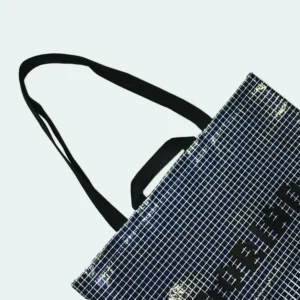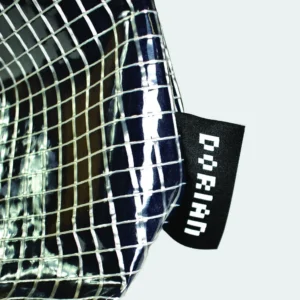

In an era where brand identity is synonymous with market survival, the distinction between a generic product and a bespoke masterpiece has never been more critical. For businesses, creators, and luxury labels, the journey from a conceptual sketch to a retail-ready accessory is fraught with technical hurdles and logistical complexities. This is where the specialized expertise of a design-to-production partner becomes indispensable. The Bag Workshop operates as this vital architectural bridge, transforming abstract ideas into high-performance, market-compliant products that serve as mobile billboards for a brand’s ethos.
The Strategic Advantage of Bespoke Design over Stock Solutions
The fundamental question many emerging brands face is why they should invest in bespoke manufacturing rather than purchasing off-the-shelf "stock" bags. The answer lies in two pillars: ownership and utility. A stock bag is a template accessible to any competitor, offering zero differentiation in a saturated market. Conversely, a bespoke bag is the brand’s intellectual property. It is a unique asset that cannot be replicated by others, ensuring that the brand’s visual language remains exclusive.
Furthermore, bespoke design is driven by specific utility. While generic bags are engineered for the "average" user, custom solutions solve unique problems. Whether it is creating specialized internal housing for high-end tech equipment, perfecting the ergonomics for a specific demographic, or developing unique product packaging that enhances the "unboxing" experience, bespoke manufacturing prioritizes the end-user’s specific needs.
From Concept to CAD: The Technical Evolution
The inception of a world-class bag often begins with nothing more than a rough sketch or a digital mood board. The Bag Workshop specializes in translating these rudimentary visions into technical blueprints. This process begins with a "bag fact-finder," a comprehensive inquiry into the bag’s intended use, target price point, and aesthetic requirements.
Once the vision is framed, designers develop technical CAD (Computer-Aided Design) drawings. These drawings are the universal language of manufacturing, outlining every seam, gusset, and hardware placement. This technical rigor ensures that when the design reaches the factory floor, there is no "loss in translation." This stage is critical for avoiding the costly errors that often occur when brands attempt to communicate directly with overseas factories without professional technical specifications.
Material Science and the Sustainability Mandate
Modern consumers demand transparency and environmental responsibility. Consequently, material sourcing has moved beyond mere aesthetics to encompass ethical and ecological considerations. The Bag Workshop maintains an extensive library of textiles, ranging from heavy-duty canvases and luxury leathers to cutting-edge sustainable alternatives.
The shift toward the circular economy has introduced materials such as RPET (Recycled Polyethylene Terephthalate), which is derived from post-consumer plastic bottles, and Fairtrade or organic cotton. For brands seeking innovative "vegan-friendly" options, bio-leathers like Piñatex—a textile made from pineapple leaf fibers—offer a high-end feel without animal by-products. During the design phase, clients can specify that every component, including glues and dyes, must be free of animal derivatives to meet strict vegan certifications.
The Four Pillars of the Production Journey
To ensure a seamless transition from concept to cargo, the production process is categorized into four distinct phases:
- Discovery & Strategy: This initial phase involves aligning the design with the brand’s budget and timeline. By understanding the financial parameters early, the team can "value engineer" the product, suggesting material or construction "swap-outs" that maintain the desired look while meeting the target price point.
- Technical Development: Here, the CAD drawings and technical packs (Tech Packs) are finalized. This phase defines the bag’s DNA, from the tensile strength of the straps to the specific type of zippers used.
- Prototyping & Refinement: Before mass production begins, a physical sample is created. This takes approximately three weeks and serves as the "gold standard" benchmark. It allows the brand to test the ergonomics, durability, and visual impact of the bag in the real world.
- Mass Production & Logistics: Once the sample is approved, the factory begins the 4-to-12-week production run. This phase is monitored by rigorous quality assurance protocols to ensure every unit matches the approved prototype.
Navigating MOQs and Global Logistics
Manufacturing at scale requires a clear understanding of Minimum Order Quantities (MOQs). For custom production runs, MOQs typically range between 250 and 500 units, depending on the complexity of the design and the uniqueness of the fabric. While luxury or highly specialized items may sometimes be produced in lower volumes, these quantities ensure that the factory can source materials and set up production lines efficiently.
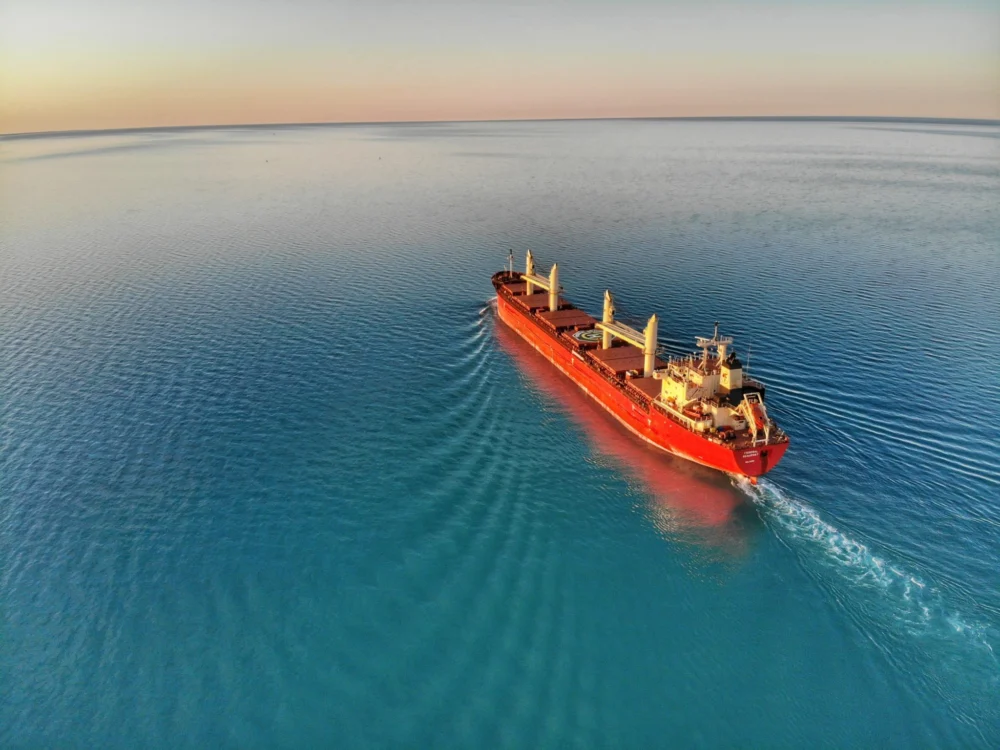
The logistics of global trade are equally complex. The Bag Workshop manages the entire supply chain, offering "landed costs" that include shipping, duties, and taxes delivered directly to the client’s door. This transparent pricing model eliminates the "hidden" fees often associated with international freight. Shipping timelines vary by method: air freight offers a swift 10-day turnaround, while sea freight, though more cost-effective for large volumes, typically takes up to five weeks.
Quality Assurance and Ethical Standards
In an era of globalized production, maintaining local quality expectations is paramount. By implementing British-standard quality control protocols, The Bag Workshop ensures that overseas production meets the high durability and aesthetic standards of the UK market. This includes rigorous load-bearing tests for handles and straps, ensuring they can withstand the specific weights required by the client.
Technical specifications also extend to environmental protection. There is a significant technical distinction between "water-resistant" and "waterproof." Achieving true waterproof status requires specialized techniques such as seam-taping and the use of waterproof zippers, whereas water resistance may only involve a Durable Water Repellent (DWR) coating.
Ethical manufacturing is non-negotiable. Factories are SEDEX (Supplier Ethical Data Exchange) audited, providing brands with the assurance that their products are manufactured under fair labor conditions. This transparency is vital for protecting a brand’s reputation and ensuring long-term sustainability.
Intellectual Property and the Value of Partnership
A common concern for creators is the protection of their designs. Under a professional partnership, the client retains full ownership of the intellectual property. The Bag Workshop utilizes Non-Disclosure Agreements (NDAs) to ensure that concepts remain confidential and are never replicated for other clients.
Furthermore, the partnership extends to retail readiness. Beyond the bag itself, the workshop can manage retail packaging, including dust bags, compostable polybags, swing tags, and barcodes. This "retail-ready" approach means the product can move directly from the shipping container to the store shelf or the influencer’s unboxing video.
Conclusion: Engineering the Future of Carry
The creation of a bespoke bag is a sophisticated blend of art, engineering, and logistics. It is a process that rewards those who prioritize technical precision and ethical sourcing. By acting as the bridge between a creator’s vision and the complexities of the factory floor, The Bag Workshop empowers brands to deliver products that are not only functional and beautiful but also deeply aligned with their strategic goals. Whether the objective is a high-performance technical backpack or a sustainable luxury tote, the secret to success lies in a structured, professional approach to the craft of bag making.