

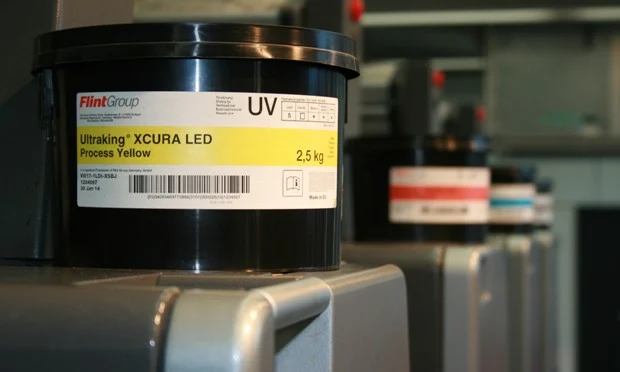
The global leader in print consumables and digital printing solutions, Flint Group, has achieved a significant milestone in its commitment to sustainable packaging solutions by earning RecyClass approval for its cutting-edge range of nitrocellulose (NC)-free inks designed for flexible packaging applications. This certification validates the compatibility of these specialized inks—specifically the VertixCode Star SC, MatrixCode Star SC, and MatrixCode Print series—with established European recycling infrastructures for polyethylene (PE) films, offering brand owners and converters unprecedented assurance regarding the circularity of their packaging designs.
This development is particularly timely given the increasing regulatory pressure, such as the anticipated Packaging and Packaging Waste Regulation (PPWR) in Europe, which mandates that packaging placed on the market must be demonstrably recyclable and align with existing recycling capabilities. Flint Group’s successful validation positions its ink technologies as a crucial enabler for brands striving to meet these stringent environmental benchmarks without compromising on print quality or performance.
The inks in question—VertixCode Star SC, MatrixCode Star SC, and MatrixCode Print—are specifically engineered for high-performance flexographic and gravure printing processes utilized across a vast spectrum of flexible packaging substrates. A core attribute distinguishing this ink suite is the elimination of nitrocellulose, a component sometimes known to present challenges in the mechanical recycling stream, particularly concerning its potential impact on the quality and color consistency of recycled polymers when exposed to high processing temperatures.
To secure the coveted RecyClass approval, Flint Group collaborated with the RecyClass PO Films Technical Committee. This collaboration involved commissioning a rigorous testing campaign executed strictly in adherence to the Recyclability Evaluation Protocol for PE films. This protocol is recognized across the industry as the benchmark for assessing how packaging components interact with the mechanical recycling process, especially concerning polyolefin (PO) films, which constitute a major segment of the flexible packaging market.
The testing focused on simulating real-world recycling conditions. Flexible packaging samples printed with the certified NC-free inks were subjected to the intensive conditions typical of European sorting and reprocessing facilities, including mechanical agitation and thermal exposure inherent in the washing and extrusion stages of PE recycling. The results unequivocally demonstrated that packaging utilizing these Flint Group inks remains fully compatible with the established recycling streams designated for coloured, flexible PE materials. This means the inks do not introduce problematic residues or negatively alter the intrinsic properties of the recovered plastic, allowing the resulting recyclate to be reintegrated into the production loop effectively.
Eddy Arbogast, Senior Director of Flexible Packaging R&D and Technology at Flint Group, emphasized the strategic importance of this achievement. "With the imminent implementation of regulations like the PPWR, the onus is squarely on printers and converters to guarantee that every component of their packaging aligns seamlessly with the current state of recycling infrastructure and the overarching goals of the circular economy," Arbogast stated. "Securing RecyClass Approval for our suite of flexible packaging inks means our partners can now confidently meet these regulatory imperatives. They gain access to a verified, NC-free ink technology that inherently simplifies the recycling process, allowing them to bring truly circular-ready packaging solutions to market with complete confidence in their environmental claims."
The significance of achieving this third-party verification cannot be overstated. RecyClass certification is an independent audit, providing an objective layer of trust for brand owners navigating complex supply chains. For converters who rely on ink suppliers to deliver compliant materials, this approval de-risks the adoption of new high-performance inks. It effectively translates complex chemical formulations into a clear, actionable stamp of recyclability recognized across the European plastics recycling landscape.
Furthermore, the technical specifications of the VertixCode Star SC, MatrixCode Star SC, and MatrixCode Print series highlight an advanced chemical stability profile. This stability is critical because mechanical recycling involves grinding, washing, and re-melting plastic at elevated temperatures—often exceeding 180°C or higher for PE. Inks that degrade under these conditions can leach undesirable compounds, cause discoloration (a major issue for high-value recyclates), or even contaminate the polymer melt. By engineering these inks for robust performance under thermal stress, Flint Group ensures that the printed material maintains its integrity throughout the recycling lifecycle.
This focus on NC-free technology directly addresses concerns related to plasticizers and other potentially problematic additives sometimes associated with traditional ink chemistries. The move towards cleaner, simpler chemistries is a foundational element of sustainable packaging design, often referred to as ‘design for recycling.’ By providing verified, compatible printing solutions, Flint Group is actively facilitating the shift away from hard-to-recycle multi-material structures towards monomaterial packaging (like PE films) that can actually be processed efficiently by existing recyclers.
The successful validation by the RecyClass PO Films Technical Committee, which comprises experts from major recycling organizations, brand owners, and specialized consultants, underscores the thoroughness of the testing. It confirms that the presence of these specific inks does not impede sorting technologies (like near-infrared sorting) nor does it negatively affect the material properties of the resulting recycled PE pellets used for new applications.
In conclusion, Flint Group’s RecyClass certification for its NC-free flexible packaging inks represents more than just a technical achievement; it is a tangible contribution to the realization of a true circular economy for plastics. It equips the packaging value chain—from the ink manufacturer to the brand owner and, ultimately, the consumer—with the necessary tools to transition towards verifiable, high-quality recycled content, ensuring that today’s packaging waste can successfully become tomorrow’s raw material. This development is set to accelerate the adoption of sustainable flexible packaging solutions across the continent.