
The intersection of professional sports and high-end sartorial expression has reached a new fever pitch in Southern Florida, as the Association of Tennis Professionals (ATP) continues to pivot toward a lifestyle-centric branding strategy. During the 2024 Miami Open, which commenced on March 18 and concluded its high-stakes run on March 29, the world of elite tennis traded its traditional white polos for a more avant-garde aesthetic. This shift was most visible during the "Athlete Arrivals," a curated "tunnel walk" experience that has effectively transformed the concrete hallways of Hard Rock Stadium into a high-stakes runway. By embracing the pre-match fashion parade, the ATP is signaling a profound cultural shift, moving away from the sport’s historically rigid dress codes and toward a future defined by individual personality and luxury brand partnerships.

The concept of the "tunnel walk" is not a new phenomenon in the broader sports landscape, but its arrival in tennis marks a significant milestone in the sport’s commercial evolution. Originally popularized by the National Basketball Association (NBA), the pre-game arrival has become a viral sensation, often garnering as much social media engagement as the highlights of the game itself. Following the success of a similar initiative earlier this month at the BNP Paribas Open in Indian Wells, California, the ATP doubled down in Miami, showcasing a select group of six players who have become the vanguard of this new era. These athletes—Frances Tiafoe, Taylor Fritz, Zizou Bergs, Gabriel Diallo, Flavio Cobolli, and Yunchaokete Bu—presented a diverse array of styles that ranged from the understated elegance of "quiet luxury" to the bold, streetwear-inflected sensibilities of modern youth culture.
Central to the success of the Miami "Athlete Arrivals" was the involvement of high-caliber fashion industry veterans. Several players were meticulously styled by Mobolaji Dawodu, the former fashion director of GQ, whose influence brought an editorial polish to the proceedings. Other athletes chose to lean into their existing commercial relationships, wearing pieces provided by their primary sponsors. This blend of professional styling and brand-led curation highlights the growing importance of the "off-court" image in an athlete’s career trajectory. In an era where a player’s Instagram following can be as valuable as their ATP ranking, the ability to project a sophisticated, fashion-forward persona is a crucial component of modern sports stardom.

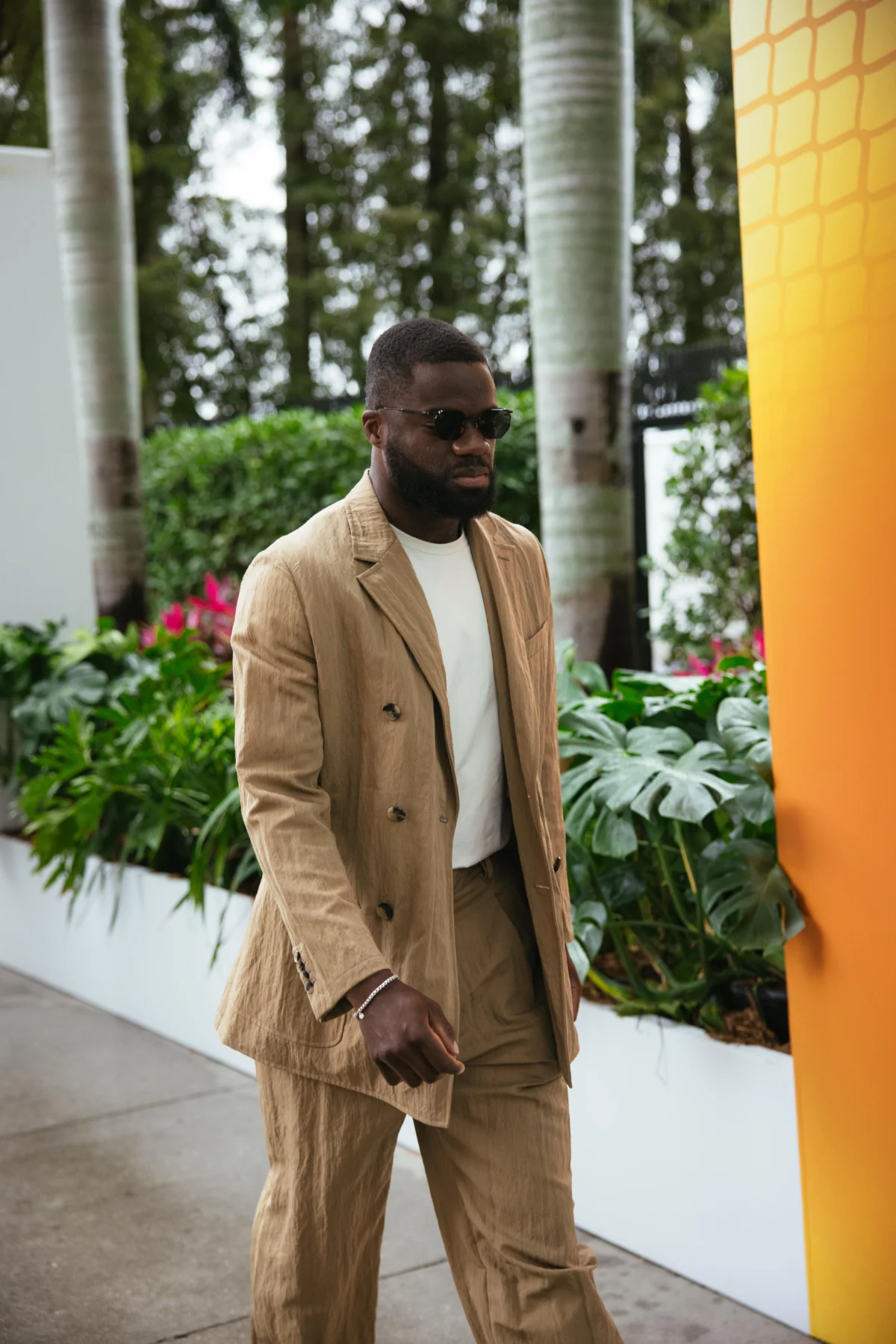
Leading the charge in Miami was American standout Frances Tiafoe, whose ensemble perfectly encapsulated the "high-low" blending trend currently dominating the fashion industry. Tiafoe arrived in a structured suit and shoes from the legendary French house Hermès, but he grounded the look with a simple Lululemon T-shirt and high-concept eyewear from Jacques Marie Mage. The juxtaposition of a legacy luxury brand with a performance-oriented staple like Lululemon speaks to the modern athlete’s lifestyle—one that values both prestige and practicality. Tiafoe’s look was a masterclass in modern masculinity, proving that a tennis player can carry the weight of a historic fashion house with the same ease they display on the baseline.
Taylor Fritz, currently the highest-ranked American man, opted for a more streamlined, corporate-luxe approach. As a primary ambassador for the German brand Boss, Fritz’s appearance was a testament to the power of the long-term endorsement deal. Wearing a sleek, monochromatic Boss ensemble, Fritz projected an image of disciplined professionalism. The partnership between Fritz and Boss has been one of the most visible examples of tennis players reclaiming their status as global style icons, a position once held by the likes of René Lacoste and Fred Perry. By aligning with a brand that emphasizes "being your own boss," Fritz is positioning himself as a leader both on the court and in the boardroom.

The international contingent at the Miami Open also used the tunnel walk to showcase global fashion trends. Belgium’s Zizou Bergs and Canada’s Gabriel Diallo both turned to Golden Goose, the Italian luxury brand famous for its distressed sneakers and "perfectly imperfect" aesthetic. Bergs paired his Golden Goose jacket and pants with a shirt from the Heat x Kith collaboration, a nod to the local Miami Heat basketball culture and the streetwear empire built by Ronnie Fieg. Diallo, meanwhile, complemented his Golden Goose attire with a timeless Cartier watch, a classic symbol of athletic success and refined taste. These choices reflect a younger generation of players who are deeply plugged into the world of hype-culture and luxury streetwear.
Representing the classic European "Quiet Luxury" movement was Italy’s Flavio Cobolli, who arrived in a full look by Brunello Cucinelli. Known as the "King of Cashmere," Cucinelli’s designs are synonymous with the highest levels of Italian craftsmanship and understated wealth. Cobolli’s choice to wear Cucinelli in the vibrant, often flashy environment of Miami was a bold statement of classicism. It reminded observers that tennis remains a sport of prestige and heritage, even as it flirts with more modern trends. Similarly, China’s Yunchaokete Bu showcased the enduring appeal of British heritage fashion, arriving in a crisp Burberry polo. The choice was a subtle but effective way to bridge the gap between traditional tennis attire and high-fashion branding.

The ATP’s decision to formalize these arrivals is a strategic response to the changing landscape of sports media. With the rise of the Netflix docuseries Break Point, fans have expressed a growing desire for behind-the-scenes access and a deeper look into the lives of the players. The "Athlete Arrivals" satisfy this craving by humanizing the athletes and allowing them to express their identities beyond their forehands and volleys. It also creates a new ecosystem for sponsors. Brands that may not have the budget for a multi-million dollar on-court apparel deal can now find visibility through these lifestyle moments, reaching a demographic that is increasingly interested in what their favorite stars wear to the stadium.
This trend is not limited to tennis. The ATP is following in the footsteps of the NFL and MLB, both of which have seen massive increases in digital engagement by promoting player fashion. Even the National Hockey League (NHL), a league traditionally known for its conservative "suit and tie" dress code, has begun to loosen the reins. Starting this season, the NHL eliminated its mandatory dress code, allowing players to arrive in outfits that are "consistent with contemporary fashion norms." This shift across all major sports leagues suggests that the era of the "uniformed" athlete—off the field, at least—is coming to an end.

As the ATP looks toward the future, the organization has already confirmed that the "Athlete Arrivals" will return for the Mutua Madrid Open in late April. The transition from the sunny, neon-soaked streets of Miami to the historic and sophisticated backdrop of Madrid will likely yield a different sartorial palette. The European clay-court season has traditionally been a time of elegance and tradition, and it will be fascinating to see how the players adapt their "tunnel" style to the more formal atmosphere of the Spanish capital.
Ultimately, the Miami Open has proven that the "tunnel walk" is more than just a fleeting social media trend; it is a vital new pillar of the sport’s marketing strategy. By giving players like Tiafoe and Fritz a platform to showcase their personal style, the ATP is ensuring that tennis remains culturally relevant in a crowded entertainment marketplace. The sport is no longer just about the scoreline at the end of the match; it is about the story told from the moment the athlete steps out of the car. As tennis continues its high-fashion journey, the line between the stadium and the runway will only continue to blur, making every tournament a dual competition of athletic prowess and stylistic vision. The "Athlete Arrivals" have officially turned the tennis world into a year-round fashion week, and the fans—and the brands—are watching more closely than ever.