
In a global marketplace saturated with generic, mass-produced accessories, the power of a custom-designed bag cannot be overstated. A bag is far more than a simple vessel for transporting personal belongings; it is a sophisticated medium for storytelling, a mobile billboard for brand identity, and a functional piece of art that bridges the gap between utility and aesthetic expression. While standard, off-the-shelf options provide immediate convenience, they often lack the soul and specific alignment required to truly resonate with a target audience or fulfill a unique creative vision. True magic is found in the transition from a blank canvas to a fully realized, bespoke product where every stitch, fabric choice, and hardware detail is intentional. This deep dive explores the intricate layers of custom bag design, providing a comprehensive roadmap for those looking to unleash their creativity and build a product that stands the test of time.
The journey of custom bag creation begins with the foundational elements: shape, structure, and material. Before the first logo is ever considered, the physical architecture of the bag must be established. The silhouette of a bag dictates its primary use and the lifestyle it supports. For instance, a wide-bottomed tote with reinforced gussets is the quintessential companion for retail therapy or grocery runs, offering maximum volume and stability. In contrast, a sleek, slim-profile messenger bag or a structured backpack suggests a professional or academic environment, prioritizing the safety of laptops and documents. Beyond the outer dimensions, the "weight" of the design is determined by the fabric. The choice of material is the most significant factor in the bag’s tactile appeal and perceived value. Heavy-duty canvas, measured in ounces (such as 12oz or 16oz), provides a rugged, premium feel that ages beautifully, whereas lightweight 5oz cotton offers a breezy, foldable alternative perfect for promotional giveaways.
For the environmentally conscious creator, the fabric choice serves as a public declaration of values. Utilizing GOTS-certified organic cotton, recycled PET (made from salvaged plastic bottles), or sustainable jute allows a brand to align its physical products with its ethical mission. Jute, with its rustic texture and incredible durability, is particularly effective for eco-friendly initiatives, providing a natural aesthetic that feels grounded and authentic. Meanwhile, felt has emerged as a contemporary favorite for tech sleeves and premium gift packaging, offering a soft-touch finish and a minimalist, architectural look that contrasts sharply with traditional woven fabrics. By selecting a fabric that matches the intended "vibe" of the project, the designer sets the stage for all subsequent customization.
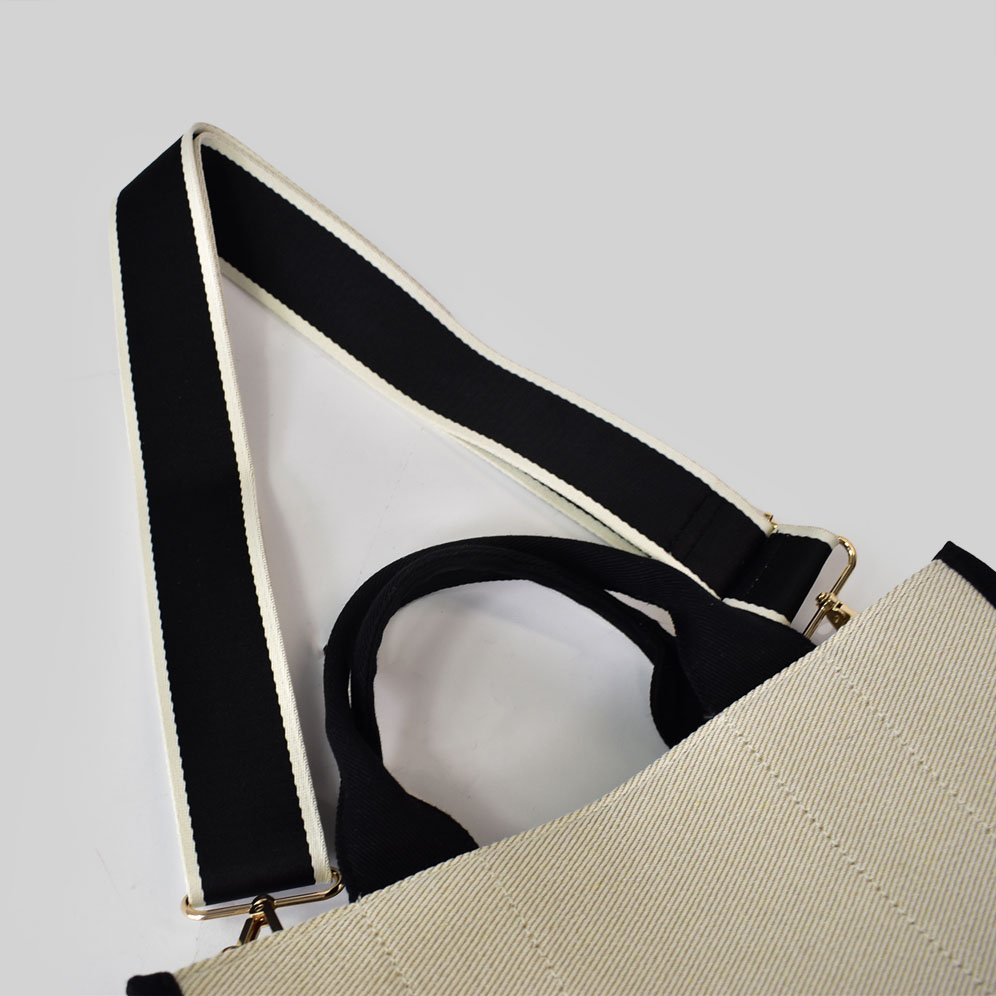
Once the skeleton and skin of the bag are decided, the focus shifts to the critical components of ergonomics and functionality: handles and closures. These are not merely utilitarian parts; they are prime real estate for aesthetic intervention. The length, material, and attachment method of a handle can completely transform how a bag is used and perceived. Short, padded handles encourage hand-carrying and lend a sophisticated air to shoppers, while long, over-the-shoulder webbing straps provide the "hands-free" convenience essential for urban commuters. Designers can experiment with materials like PU leather for a touch of vegan luxury, cotton rope for a nautical or artisanal feel, or high-density nylon webbing for a sporty, industrial look. Even the color of the handles can be customized to provide a bold contrast against the bag’s body, drawing the eye and reinforcing the brand’s color palette.
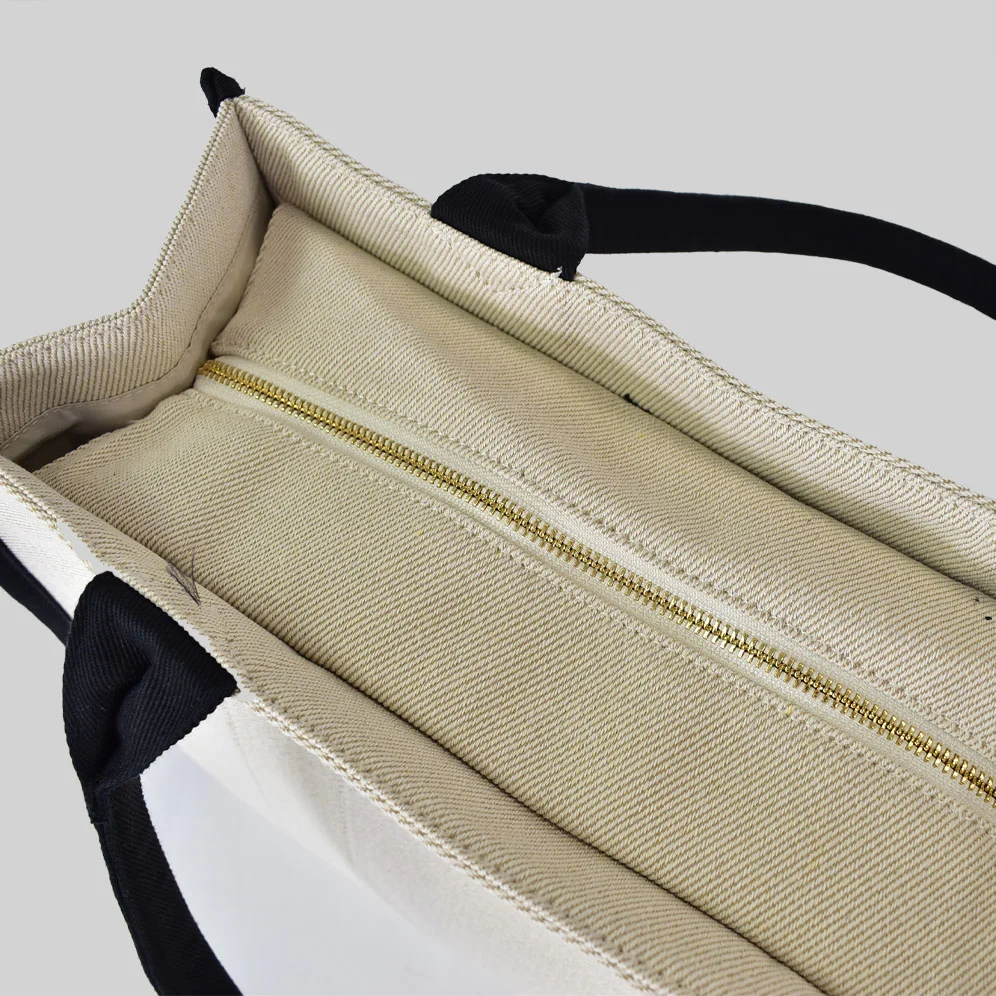
Closures are the gatekeepers of the bag’s contents and play a pivotal role in the user experience. A simple open-top tote is perfect for quick access, but the addition of a heavy-duty metal zip or a sleek nylon coil zipper adds a layer of security and professional polish. For a more vintage or rustic appeal, wooden toggles, antique brass poppers, or magnetic snaps can be utilized. Drawstring closures, often seen in gym bags or premium dust bags for luxury shoes, offer a casual yet functional alternative. The choice of closure often dictates the bag’s "finished" look—a zip-top bag feels like a permanent accessory, while a button-down flap feels like a heritage piece of luggage.
The true hallmark of a premium custom bag lies in the "Devil in the Details." This is the phase where a good bag becomes a great one through the strategic use of internal and external enhancements. Internal pockets are a gift to the end-user, providing dedicated spaces for smartphones, keys, or wallets, thereby increasing the bag’s daily utility. Designers can opt for hanging pockets, zippered internal compartments, or even mesh dividers for visibility. On the exterior, side pockets for water bottles or front slip pockets for easy-access items add layers of complexity and value. Furthermore, the lining of the bag offers a "hidden" customization opportunity; a brightly colored or patterned interior lining can provide a delightful surprise for the user, elevating the unboxing experience and signaling a high level of craftsmanship.
Branding and decoration are where the bag truly finds its voice. The method used to apply a design or logo significantly impacts the final aesthetic. Screen printing remains the gold standard for bold, vibrant graphics, especially when dealing with large production runs and specific Pantone color matching. For designs requiring intricate detail, gradients, or a photographic quality, digital printing or heat transfer techniques allow for limitless color palettes. However, for those seeking a more tactile and luxurious finish, embroidery and appliqué offer a three-dimensional depth that printing cannot replicate. Techniques like "puff print" add a raised, rubberized texture to logos, while metallic or glitter inks can provide a high-fashion edge.
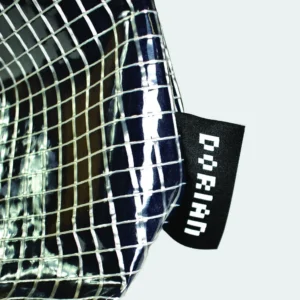
Beyond the main logo, woven labels and brand tags act as the "signature" of the creator. A small, woven side-seam label or a leather-embossed patch provides a subtle, sophisticated branding touch that mimics high-end retail brands. These small additions are powerful; they suggest that the bag is not just a promotional item, but a curated product from a legitimate label. Even the hardware can be customized—custom-molded zip pulls featuring a brand’s icon or logo-engraved rivets serve as the final, exquisite flourishes that distinguish a bespoke creation from a generic substitute.
The versatility of custom bags makes them indispensable across various sectors. In the corporate world, a well-designed custom backpack or laptop bag is a coveted gift that employees will actually use, providing the company with years of passive brand exposure. In the retail sector, custom-designed totes can be sold as standalone merchandise, turning customers into brand ambassadors who carry the store’s aesthetic into the streets. For events and conferences, a bespoke bag serves as a functional souvenir that keeps the event’s messaging alive long after the closing keynote. The common thread in all these applications is the move away from the "disposable" mindset. By investing in high-quality materials and thoughtful design, creators produce items that people want to keep, cherish, and reuse, which is the ultimate win for both the brand and the planet.
Ultimately, the process of custom bag design is an invitation to think beyond the ordinary. It is an opportunity to take a standard object and infuse it with personality, purpose, and prestige. At The Bag Workshop, the goal is to bridge the gap between a client’s raw imagination and the technical realities of manufacturing. Whether it is sourcing a specific shade of sustainable fabric, engineering a complex multi-pocket interior, or perfecting a delicate embroidery pattern, the bespoke journey is one of collaboration and precision. By taking control of every variable—from the fundamental structure to the smallest zip pull—you create more than just a bag; you create a lasting physical touchpoint that speaks volumes about your commitment to quality and your unique creative vision. The blank canvas is waiting; it is time to build something extraordinary.