
The landscape of corporate branding is currently undergoing a seismic shift, moving away from the era of mass-produced, disposable "swag" toward a new philosophy of high-value, long-term utility. For decades, the promotional industry was defined by a race to the bottom, where the primary metric of success was the lowest possible unit price. This led to a saturation of "landfill-ready" items: plastic pens that leak after three uses, synthetic t-shirts that shrink in the first wash, and the ubiquitous, paper-thin non-woven tote bag. However, as global awareness of environmental sustainability grows and consumer tastes become increasingly sophisticated, these low-quality items have begun to do more harm than good. In 2024 and beyond, a brand is no longer judged simply by its logo, but by the physical quality of the objects it chooses to associate with that logo. To meet this demand for excellence, a new gold standard has emerged in the UK market: the premium canvas bag with genuine leather handles, a product designed to bridge the gap between promotional merchandise and high-end retail fashion.
The "Anti-Swag" movement is not merely a trend; it is a necessary evolution. Research into consumer psychology suggests that the "Reciprocity Principle"—the human tendency to want to give back when something of value is received—is significantly diminished when the gift is perceived as "junk." When a potential client or a valued employee is handed a flimsy bag, the subconscious message is one of low effort and temporary relevance. Conversely, when a brand provides a high-specification, durable, and aesthetically pleasing accessory, it signals stability, quality, and respect for the recipient. The introduction of the heavy-duty canvas tote with leather accents represents a direct challenge to the throwaway culture of the past. It is an "Anti-Swag" statement that prioritizes craftsmanship over quantity, ensuring that the brand remains in the recipient’s life for years, rather than minutes.
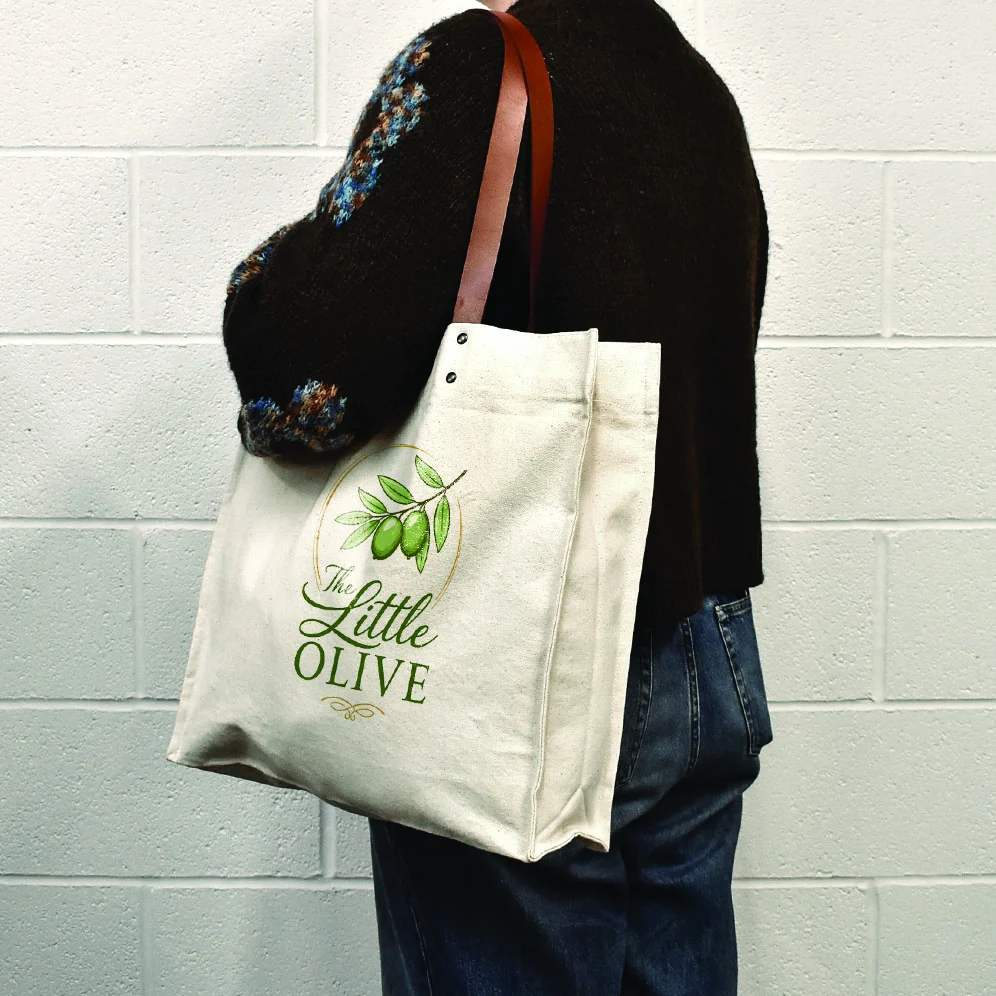
At the heart of this new offering is a rigorous attention to technical specification. Unlike the standard 4oz or 5oz cotton bags common at trade shows, this premium collection utilizes a heavyweight cotton canvas. This material choice provides a structural integrity that allows the bag to maintain its shape even when loaded with laptops, documents, or daily essentials. The choice of natural canvas provides a neutral, sophisticated backdrop that complements any corporate color palette, while the inclusion of genuine leather handles elevates the piece into the realm of professional luggage. These handles are not merely for show; they are ergonomically designed for comfort during long commutes and are reinforced with metallic rivets to ensure they can withstand the rigors of heavy use. This fusion of rugged textile and refined leather creates a tactile luxury that demands to be touched and used, moving the product from a "freebie" to a "favorite."
The internal architecture of the bag further distinguishes it from its cheaper counterparts. Most promotional bags are simple envelopes, offering no organization or security. This premium model includes a dedicated internal pocket, providing a safe space for smartphones, keys, or business cards. This small addition significantly increases the bag’s daily utility, making it a viable replacement for a traditional briefcase or a casual handbag. When a promotional item solves a daily problem—such as "where are my keys?"—it transitions from a marketing tool to an essential personal asset.
In the modern business environment, the "where" and "how" of manufacturing are just as important as the "what." Transparency is the new currency of brand trust. To this end, the new gold standard in UK merchandise is underpinned by ethical manufacturing practices. These premium bags are produced in facilities that undergo rigorous SEDEX (Supplier Ethical Data Exchange) audits. A SEDEX audit, specifically the SMETA (Sedex Members Ethical Trade Audit) methodology, evaluates a factory based on four critical pillars: labor standards, health and safety, environmental performance, and business ethics. By choosing a SEDEX-audited product, UK companies can confidently report on their ESG (Environmental, Social, and Governance) goals. They can assure their stakeholders that their branded merchandise did not come at the cost of worker exploitation or environmental degradation. This ethical narrative becomes part of the brand’s story, adding a layer of "social value" that is increasingly demanded by Gen Z and Millennial consumers.
The logistical challenges of the post-pandemic world have also reshaped how UK businesses source their merchandise. Historically, high-end bespoke bags required long lead times, often involving overseas shipping that could take months and required massive Minimum Order Quantities (MOQs). The new UK off-the-shelf collection disrupts this model by keeping stock locally. This allows for a "best of both worlds" scenario: the quality of a custom-manufactured boutique item with the speed of a local supplier. With MOQs as low as 10 units, small businesses and boutique events can now access the same level of luxury as multinational corporations. Furthermore, the ability to have these items branded and delivered within 10 working days means that marketing managers can react to sudden opportunities without sacrificing the quality of their brand representation.
From a design perspective, the 25x25cm print area on both sides of the bag offers a generous canvas for creative expression. Modern branding has moved away from cluttered, overly "corporate" designs toward minimalist, lifestyle-oriented aesthetics. The high-quality canvas supports a variety of decoration methods. Traditional screen printing offers vibrant, durable colors that pop against the natural fabric. For more intricate, multi-colored logos or photographic designs, digital transfer printing provides photographic clarity. For the ultimate in luxury branding, embroidery offers a textured, three-dimensional finish that mirrors the high-end feel of the leather handles. The internal pocket also serves as a secondary branding location, perfect for a subtle "hidden" message or a QR code that links to a digital experience, bridging the gap between physical and digital marketing.
The versatility of the canvas and leather tote makes it suitable for a diverse range of applications. In the corporate sector, it serves as the perfect "welcome kit" for new executive hires, signaling that the company values quality from day one. At high-end industry conferences, it replaces the standard plastic-heavy goody bag, ensuring that the event’s branding continues to circulate in city centers and business districts long after the closing keynote. In the retail and hospitality sectors, these bags can be used as premium gift packaging for luxury hampers or as high-margin "for purchase" items in boutique hotel gift shops. Because the bag does not look like traditional promotional material, it is far more likely to be used in high-visibility environments, such as weekend markets, airports, and coffee shops, providing the brand with an ongoing stream of "organic" impressions.
The environmental impact of this shift cannot be overstated. While a cotton bag requires more energy to produce than a single-use plastic bag, its true environmental value lies in its lifespan. A high-quality canvas bag that is used hundreds of times over several years has a significantly lower carbon footprint per use than a drawer full of thin cotton totes that are never used because they are uncomfortable or unattractive. By providing a product that people actually want to keep, brands are actively participating in the circular economy and reducing the volume of textile waste that ends up in landfills.
Ultimately, the introduction of this premium canvas and leather bag collection represents a maturation of the UK promotional industry. It acknowledges that in a world of infinite digital noise, physical touchpoints have more power than ever—but only if those touchpoints are meaningful. A brand’s reputation is a fragile thing, built on thousands of small interactions. By choosing to put their logo on a product that embodies durability, ethical integrity, and timeless style, businesses are making a long-term investment in their own brand equity. The era of "throwaway swag" is ending; the era of the "branded heirloom" has begun. Whether it is for a major product launch, a high-stakes board meeting, or a curated client gift, the new gold standard ensures that when a brand is carried, it is carried with pride.