
In the contemporary landscape of brand management, the boundary between a corporate entity and a lifestyle curator has become increasingly blurred. For premium brands, every physical touchpoint serves as a testament to their heritage, quality, and attention to detail. This reality has elevated the role of branded merchandise from mere promotional giveaways to high-performance lifestyle assets. The "Bag Workshop" recently undertook a complex design development project that exemplifies this shift, creating a bespoke cool bag that does not simply carry a brand’s logo but embodies its entire ethos. This case study explores the intricate journey of bag design development, where technical engineering meets aesthetic perfection to produce a product that is truly fit for purpose within the luxury sector.
The philosophy underpinning modern merchandise development is rooted in the concept of brand extension. When a consumer interacts with a premium brand—be it a high-end vintner, a luxury automotive manufacturer, or an elite fashion house—they expect a level of sensory consistency. A low-quality, generic bag with a slapped-on logo can actually damage brand equity by creating a "value gap" between the core product and the accessory. Therefore, the challenge for this project was to bridge that gap. The objective was to design a thermal storage solution that offered the same level of sophistication as the client’s primary product suite, ensuring that the brand’s narrative remained cohesive across all consumer interactions.
The initial design brief was deceptively simple yet technically demanding: create a cool bag that ensures hygienic, thermal protection for food and beverages while maintaining an appearance of understated elegance. However, the "premium" designation adds layers of complexity. For this specific client, the bag needed to be more than just a functional container; it had to be a piece of "merch" that a customer would be proud to use at an elite sporting event, a high-end picnic, or a luxury travel excursion. This required a rigorous approach to material selection, color science, and structural engineering.
The first pillar of the development process was the mastery of precision aesthetics. In the world of high-end branding, color is not a suggestion; it is a fundamental identity marker. The Bag Workshop utilized advanced Pantone-matching techniques to ensure the exterior fabric of the bag was an exact replica of the brand’s signature palette. This is a more difficult task than it sounds. Different textiles—whether heavy-duty canvas, technical nylon, or recycled polyesters—absorb and reflect light in unique ways. Achieving a "perfect" match requires multiple rounds of lab dips and sample reviews under various lighting conditions (from natural daylight to retail LEDs) to ensure the color remains stable and true to the brand’s guidelines. By refusing to settle for "close enough," the design team ensured that the bag felt like an organic extension of the brand’s existing ecosystem.
Moving beyond the exterior, the second phase of development focused on the internal architecture of the bag: achieving thermal and hygienic integrity. A cool bag is, at its core, a piece of thermal engineering. To meet the client’s stringent standards, the interior had to provide a reliable barrier against ambient heat. This was achieved through a multi-layered insulation system. A high-density thermal layer was sandwiched between the outer shell and the inner lining, creating a "vacuum-like" resistance to heat transfer. However, utility in the premium sector also demands ease of maintenance. The interior was lined with a food-grade, wipe-clean material that met all modern hygiene standards. This ensures that even in the event of a spill, the bag remains pristine and free from bacteria or odors—a critical consideration for a product intended to carry gourmet food or fine wine.
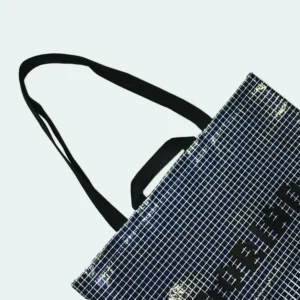
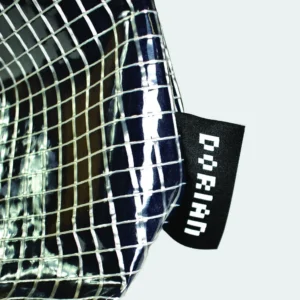
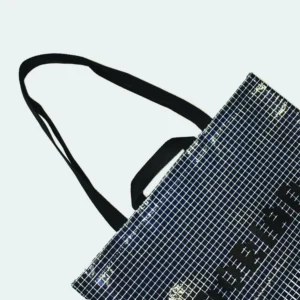
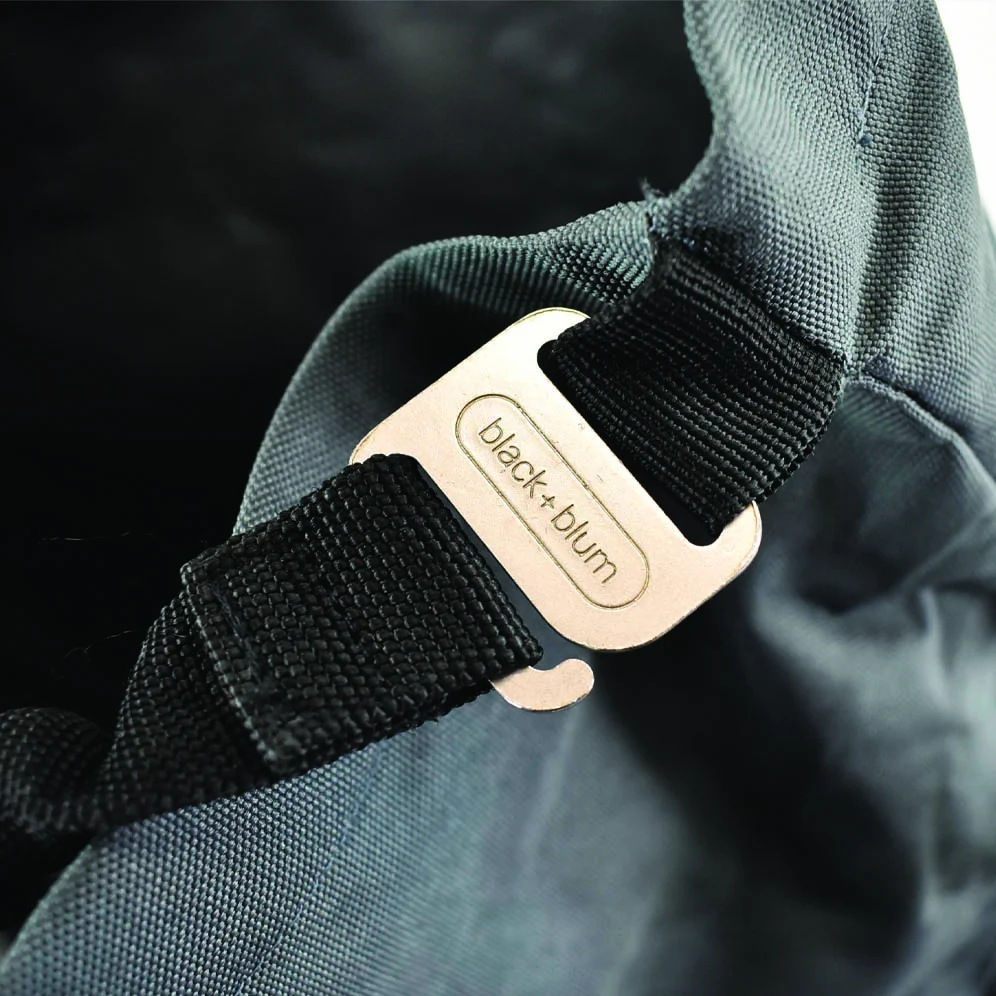
The third phase of the design journey involved the integration of sophisticated branding and custom hardware. In luxury design, the most powerful statements are often the quietest. Rather than opting for large, garish screen prints, the development team utilized subtle branding techniques that whisper quality. A woven brand label was meticulously positioned to provide a tactile sense of craftsmanship. Furthermore, the project involved the creation of bespoke components, including handles and closures. The handles were engineered not just for durability, but for ergonomic comfort, ensuring that even when fully loaded, the bag remains easy to carry. The choice of hardware—such as zippers and buckles—was also a point of focus. In this project, metal components were selected for their weight and "hand-feel," providing a satisfying mechanical click and a sense of permanence that plastic alternatives simply cannot replicate.
The results of this comprehensive bag design development process were transformative. The final product was not just a cool bag; it was a strategic asset that reinforced the brand’s credibility. From an aesthetic standpoint, the seamless color matching and high-quality finishes ensured that the bag sat perfectly alongside the client’s premium products. Functionally, the bag exceeded performance benchmarks for temperature retention and hygienic safety. For the client, the outcome was a piece of merchandise that customers valued as a standalone product, thereby increasing the longevity of the brand’s visibility in the real world. When a piece of merchandise is built to this standard, it doesn’t end up in a landfill; it becomes a permanent part of the consumer’s lifestyle.
This case study highlights the importance of the "sampling" phase in bag development. Before moving to full-scale production, the Bag Workshop produced rigorous prototypes that allowed the client to feel the fabrics, test the zippers, and verify the thermal performance. This iterative process is where the "bespoke" nature of the service truly shines. It allows for the fine-tuning of small details—perhaps shortening a strap by a centimeter for better balance or adjusting the density of the foam for a crisper silhouette—that collectively elevate a product from "good" to "exceptional."
The success of such projects is often a result of a broader collaborative network. As part of The Wurlin Group, the Bag Workshop has access to a global supply chain and a wealth of expertise in diverse manufacturing sectors. This connection allows for a holistic approach to brand development. A client might start with a need for a custom cool bag but find that their brand narrative is better served by a coordinated suite of products, including bespoke umbrellas, luxury packaging, and custom-engineered hardware. This "joined-up" thinking is what separates a simple supplier from a strategic manufacturing partner. In a globalized market where "off-the-shelf" solutions are ubiquitous, the ability to offer truly customized, innovative manufacturing is a significant competitive advantage.
For creative agencies and brand owners, the lesson is clear: merchandise is an investment in brand perception. Whether the goal is to reward loyal customers, equip a high-end hospitality team, or create a new revenue stream through retail sales, the quality of the bag is a direct reflection of the quality of the brand. The development of a premium bag requires a partner who understands the nuances of fabric composition, the physics of thermal insulation, and the psychology of luxury branding. It requires a commitment to sourcing the right materials and a willingness to explore new concepts until the perfect solution is found.
In conclusion, the creation of a custom cool bag for a premium brand is a masterclass in how specialized design services can solve complex logistical and aesthetic challenges. By focusing on Pantone precision, thermal engineering, and sophisticated branding, the Bag Workshop demonstrated that even a functional item like a cooler can be elevated to the status of a luxury accessory. As brands continue to look for ways to differentiate themselves in a crowded marketplace, the demand for high-end, bespoke bag design development will only continue to grow. For those who refuse to compromise on quality, the journey from initial brief to final product is an opportunity to prove that their brand’s commitment to excellence extends to every single detail, no matter how small. Through diligent project coordination and a global reach, the transformation of a simple idea into a premium lifestyle asset is not just possible—it is the new standard for excellence in branded merchandise.