
In the modern corporate landscape, the concept of "swag" has undergone a radical and necessary transformation. For decades, the industry was defined by a race to the bottom—a competition to see who could produce the cheapest, most ubiquitous items to hand out at trade shows and conferences. The result was a deluge of flimsy plastic pens that ran out of ink in an hour, scratchy synthetic t-shirts that shrunk after one wash, and the infamous "single-use" promotional tote bag. These items, intended to build brand awareness, often achieved the opposite: they signaled a lack of care, a disregard for quality, and a complete indifference to the growing environmental crisis. Today, as we navigate a marketplace defined by discerning consumers and rigorous sustainability standards, the "throwaway culture" of branded merchandise is officially being retired. In its place, a new gold standard is emerging—one that prioritizes tactile luxury, ethical transparency, and long-term utility.
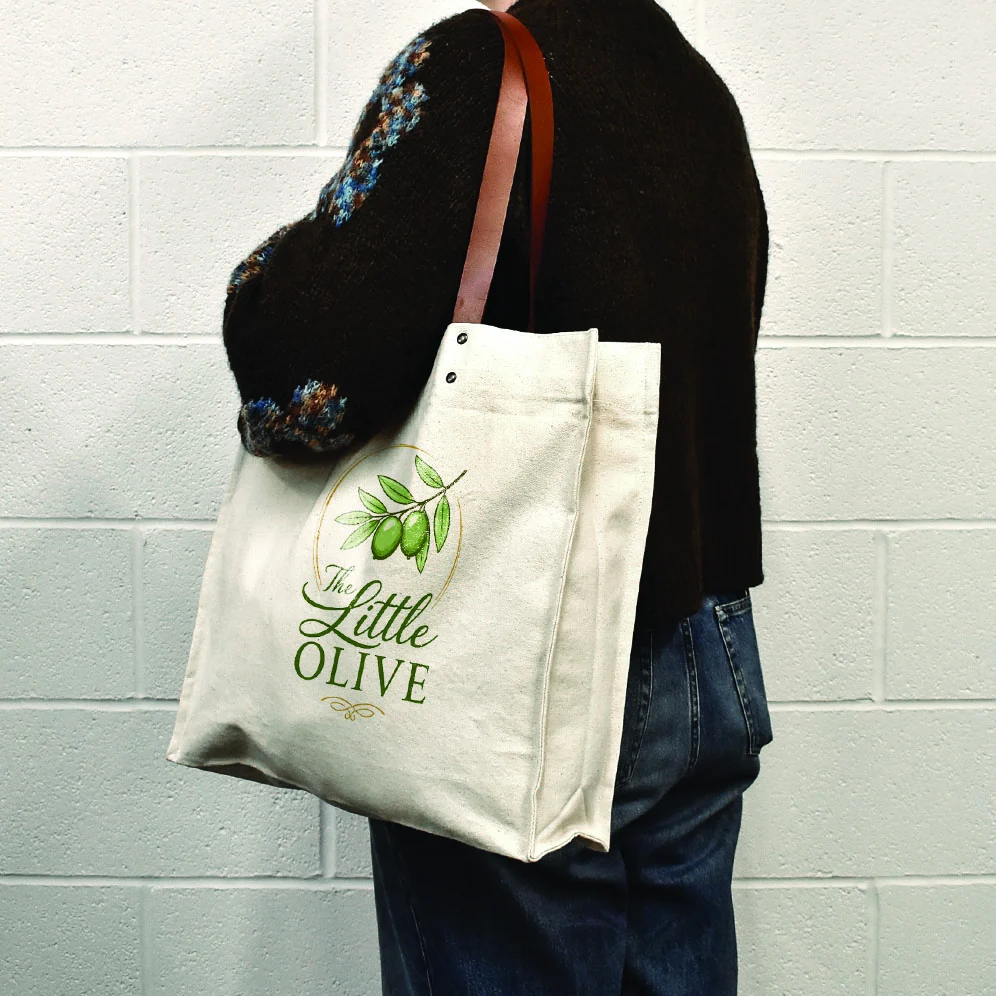
The shift toward premium merchandise is not merely a trend; it is a strategic response to "swag fatigue." Marketing managers and event planners across the United Kingdom are recognizing that a brand’s physical touchpoints are a direct reflection of its values. When a company hands over a high-quality item, it is making a promise about its service and its integrity. Conversely, gifting a low-quality product that quickly ends up in a landfill can actively damage a brand’s reputation, associating the corporate logo with waste and obsolescence. This is the context in which Bag Workshop has launched its latest flagship product: the heavy-duty canvas bag with genuine leather handles. This is not just a new addition to an off-the-shelf collection; it is a manifesto for the "anti-swag" movement.
To understand why this specific product is a game-changer, one must look at the materials. The foundation of the bag is a robust, heavy-duty cotton canvas. Unlike the lightweight calico bags that have become the cliché of the promotional world, this canvas offers a structural integrity that feels substantial in the hand. It is a material designed for the rigors of daily life, capable of carrying heavy laptops, groceries, or gym gear without the handles straining or the bottom sagging. But the true elevation comes from the integration of genuine leather handles. This hybrid design marries the rugged, eco-friendly appeal of natural cotton with the sophisticated, professional finish of high-end leather goods. The result is a retail-quality piece that blurs the line between a promotional item and a fashion accessory. It is a bag that a client will not just keep, but will actively choose to use for business meetings, weekend travel, or a commute through the city.
In 2026, the "how" of manufacturing is just as important as the "what." Transparency in the supply chain has moved from a niche concern to a primary requirement for any reputable brand. This is why the new canvas and leather collection is produced exclusively in SEDEX-audited factories. For the uninitiated, SEDEX (the Supplier Ethical Data Exchange) is one of the world’s leading ethical trade membership organizations. An audit ensures that a factory is adhering to strict standards regarding labor rights, health and safety, environmental impact, and business ethics. When a UK company chooses these bags, they are buying more than just a product; they are buying peace of mind. They can tell a story of ethical sourcing to their stakeholders, ensuring that their brand’s growth is not built on the exploitation of workers or the environment. In an era where ESG (Environmental, Social, and Governance) reporting is becoming mandatory for many firms, having a "clean" supply chain for branded merchandise is a significant competitive advantage.
The logistics of the UK market have also dictated the evolution of this product. Historically, if a marketing team wanted a high-specification, bespoke bag, they were forced to look toward overseas manufacturing. This often meant dealing with lead times of 12 to 16 weeks, high minimum order quantities (MOQs) in the thousands, and the substantial carbon footprint of long-distance shipping. Bag Workshop has disrupted this model by bringing these premium specifications to their UK-held stock. By maintaining a deep inventory of these canvas and leather totes locally, they have slashed lead times and lowered the barrier to entry. Brands can now access "London boutique" quality with a low MOQ, allowing for smaller, more targeted campaigns or exclusive VIP gifting without the need for massive warehouse storage. This agility is vital in a fast-paced marketing environment where opportunities often arise with little warning.
From a marketing psychology perspective, the "walking billboard" effect of a premium bag is unparalleled. The ROI (Return on Investment) of a promotional item is measured by its "impressions"—how many times the logo is seen by the recipient and the public. A cheap tote bag might get two or three uses before it is relegated to the back of a cupboard, resulting in a very high cost-per-impression. However, a bag that is aesthetically pleasing and functionally superior becomes a staple of the recipient’s daily wardrobe. Every time that individual carries the bag into a high-level meeting, onto a train, or into a coffee shop, the brand is being endorsed by a real person in a real-world setting. This organic, peer-to-peer visibility is far more valuable than a fleeting digital ad. The bag becomes a conversation starter, a symbol of a premium partnership, and a constant reminder of the brand’s commitment to quality.
The customization options for the new canvas bag are designed to maximize this visibility. With a generous 25x25cm print area on both sides, there is ample space for bold creative expression. While many choose a classic screen print, the high-grade canvas also supports more sophisticated decoration methods. Embroidery, for instance, adds a three-dimensional texture that complements the leather handles perfectly, creating a truly "executive" feel. For those seeking a more contemporary look, high-definition digital transfers can capture complex, multi-colored logos with precision. Even the internal pocket—a feature often omitted in cheaper bags—is a canvas for branding. A subtle, "hidden" message printed on the inside pocket can create a moment of delight for the user, reinforcing the brand’s attention to detail.
Where does this new gold standard find its home? The applications are as varied as the brands themselves. In the world of high-end corporate events and summits, these bags serve as the perfect "welcome kit" for delegates, capable of holding heavy brochures and tablets while looking professional in a boardroom setting. In the retail sector, they are an ideal premium "gift with purchase" that encourages brand loyalty. For employee onboarding, especially in the luxury or tech sectors, gifting a high-quality bag on day one sets a standard for excellence and makes the new hire feel truly valued. They are also becoming a favorite for the "influencer kit"—when a brand needs to send products to high-profile individuals, the packaging must be as impressive as the contents.
Ultimately, the introduction of this canvas and leather hybrid marks the end of the era of "disposable swag." It challenges businesses to think more deeply about the objects they put into the world. If a brand claims to be innovative, sustainable, and premium, its physical merchandise must reflect those claims. You cannot claim to be a leader in your field while handing out a bag that falls apart after a week. By investing in craftsmanship, ethical manufacturing, and high-quality materials, UK businesses are not just buying a bag; they are investing in their own brand equity. The new gold standard is here, and it is made of heavy-duty canvas and genuine leather. It is time to elevate your brand, one bag at a time.