
In the contemporary landscape of fashion, retail, and corporate branding, the "off-the-shelf" solution is rapidly losing its luster. As businesses strive to differentiate themselves in a saturated market, the demand for unique, high-quality, and purpose-built carry solutions has skyrocketed. This shift has birthed a complex intersection where creative vision meets industrial reality. Navigating this path requires more than just a manufacturer; it requires a design and production bridge. The Bag Workshop serves as this critical link, transforming conceptual sketches and mood boards into retail-ready products that command attention. By managing the intricate dance of material sourcing, technical blueprinting, and global logistics, the mystery of bag making is demystified for brands, creators, and businesses alike.
The journey of a bespoke bag begins long before a single stitch is sewn. It starts with the realization that a bag is not merely a container, but a sophisticated piece of engineering. Whether it is a high-performance technical backpack designed for rugged environments, an avant-garde fashion piece destined for a luxury boutique, or a sustainable tote intended for an influencer’s unboxing experience, every product requires a rigorous development phase. Many creators approach the process with nothing more than a rough sketch or a collection of inspirational images. This is where the transition from "idea" to "object" occurs. Professional bag designers translate these initial sparks into technical CAD (Computer-Aided Design) drawings and comprehensive "Tech Packs." These documents serve as the universal language of the factory floor, outlining every measurement, seam type, and hardware placement to ensure the final product mirrors the original vision with mathematical precision.
One of the most significant advantages of moving away from generic, stock items is the level of material control afforded to the creator. In an era where consumers are increasingly conscious of their environmental footprint, the ability to specify the DNA of a product is invaluable. The library of available textiles has expanded far beyond traditional canvas and nylon. Today’s bespoke bags can be crafted from a diverse array of innovative materials, including RPET (textiles made from recycled plastic bottles), Fairtrade organic cotton, and even bio-leathers derived from pineapple (Piñatex) or mushrooms. This material selection process is a balancing act of durability, aesthetic appeal, and budget. Through a process known as "value engineering," designers can recommend specific fabric weights or hardware swaps that maintain the desired look and feel while keeping production costs within a manageable range.
The technical nuances of bag construction are often overlooked by the untrained eye, yet they define the product’s longevity and utility. For instance, there is a profound technical distinction between a bag that is "water-resistant" and one that is truly "waterproof." Achieving the latter requires more than just a coated fabric; it necessitates specialized construction techniques such as seam-taping, heat-welding, and the integration of waterproof zippers. Similarly, the load-bearing capacity of a bag is a matter of structural integrity. By performing rigorous stress tests, manufacturers can ensure that handles and straps are reinforced to withstand specific weight thresholds, preventing the catastrophic failure of a product once it reaches the end user.
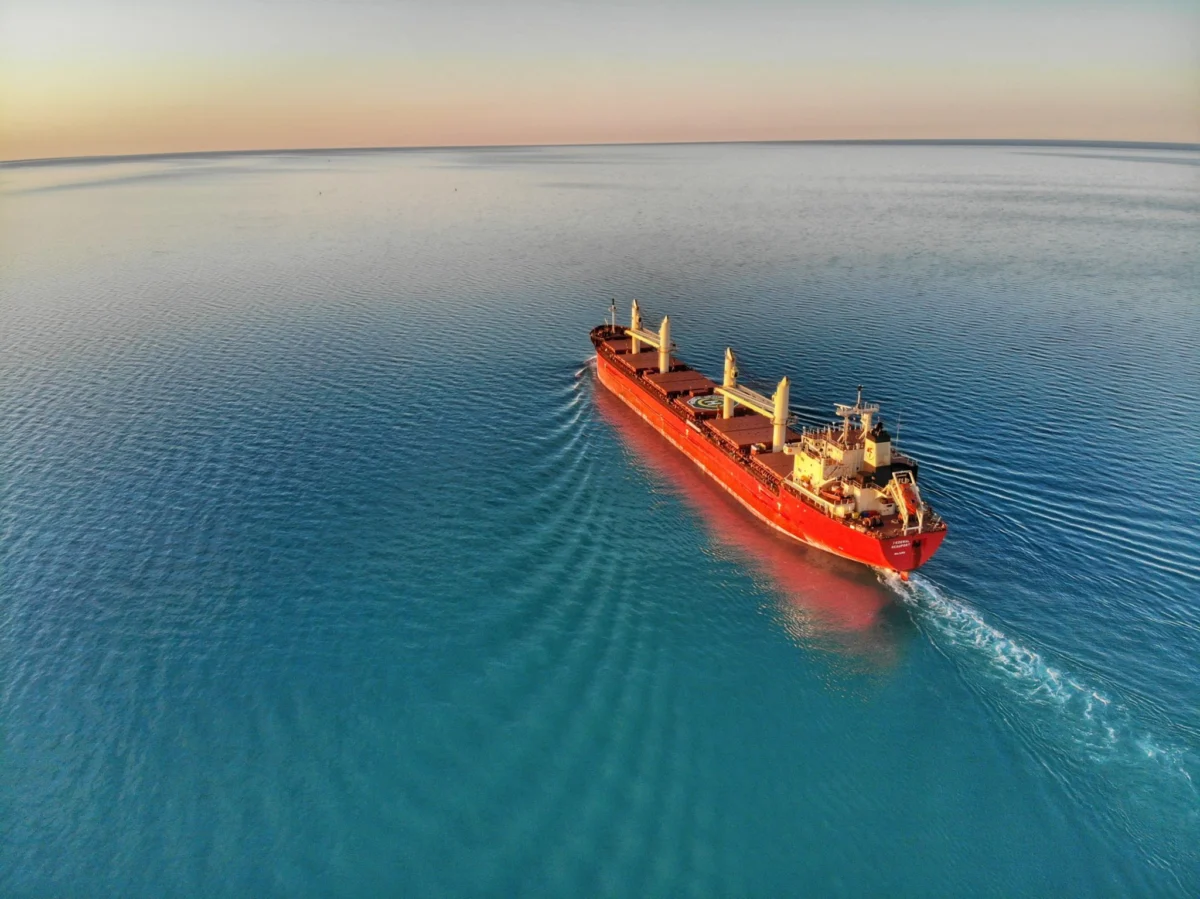
The production timeline is a critical factor for any business planning a product launch or promotional event. The road from concept to cargo typically follows a structured four-phase journey. The first phase, Discovery and Strategy, involves refining the concept and establishing the budget. This is followed by Technical Development, where the blueprints are finalized. The third phase, Prototyping and Refinement, is perhaps the most vital. Sampling allows the creator to hold a physical version of their design, testing its ergonomics and finish before committing to a full production run. A typical sampling period lasts approximately three weeks, while mass production can take anywhere from four to twelve weeks depending on complexity. Finally, the logistics of global shipping—ranging from rapid ten-day air freight to more cost-effective five-week sea transit—must be factored into the master schedule.
For many brands, the fear of the "unknown" in overseas manufacturing is a significant barrier. This is why working with a partner that enforces UK quality standards, regardless of where the factory is located, is essential. Ethical manufacturing is no longer an optional "extra"; it is a baseline requirement. Utilizing factories that undergo SEDEX (Supplier Ethical Data Exchange) audits ensures that labor standards, health and safety, and environmental impact are monitored and certified. Furthermore, the rise of the vegan market has introduced new complexities into the manufacturing process. A truly "vegan-friendly" bag requires a deep dive into the supply chain to ensure that even the glues and dyes used in production are free from animal by-products.
Intellectual Property (IP) remains a cornerstone of the bespoke manufacturing world. Unlike purchasing a stock bag that any competitor can brand with their logo, a bespoke design belongs entirely to the client. This ownership is protected through Non-Disclosure Agreements (NDAs), ensuring that unique design innovations remain a proprietary advantage. This exclusivity is what allows a brand to stand out in a crowded marketplace. A custom-made bag acts as a "walking billboard," a high-perceived-value item that carries the brand’s message long after the initial transaction.
The final stage of the bespoke experience is "The Unboxing." In the digital age, the way a product is presented is almost as important as the product itself. Custom retail packaging, including branded dust bags, compostable protective sleeves, and specialized cartons marked with SKUs and barcodes, completes the professional presentation. Whether the goal is to create a luxury retail experience or a seamless logistics flow to a global warehouse, the packaging must be as considered as the bag’s internal lining or external hardware.
Ultimately, the decision to go bespoke is a decision to invest in quality, utility, and brand identity. While the process of direct-to-factory manufacturing is often fraught with "lost in translation" errors and failed samples, the "bridge" model of production provides a safety net. It offers the technical expertise to solve specific problems—such as creating specialized internal housing for sensitive tech equipment or perfecting the ergonomics for a specific body type—while maintaining a clear, transparent "landed cost" that includes all duties, taxes, and shipping fees.
In a world of generic copies, the secret to a successful product lies in the details. From the initial CAD drawing to the final quality assurance check before the cargo leaves the factory, every step is an opportunity to reinforce the brand’s values. Bespoke bag making is a fusion of art and industry, a process that requires patience, expertise, and a clear vision. For those willing to navigate this journey, the reward is a one-of-a-kind product that doesn’t just carry items, but carries a story of innovation and craftsmanship. Whether you are a startup with a single revolutionary sketch or an established corporation looking to overhaul your product packaging, the path to a retail-ready masterpiece is paved with technical precision and a commitment to excellence. By bridging the gap between imagination and the assembly line, the art of the possible in bag design is limited only by the boundaries of creativity.