
In the high-velocity world of consumer packaged goods (CPG), the transition from a successful contract bid to operational reality is often fraught with technical hurdles and supply chain bottlenecks. For GreenSeed, a premier contract packager headquartered in the industrial hub of Batavia, Illinois, the stakes were recently elevated when they secured a massive project for a global food titan. The project, centered on high-volume bag-in-box production for the cereal and dry goods sector, required more than just incremental improvements; it demanded a total reimagining of their cartoning capabilities. By eschewing short-term cost savings in favor of a strategic partnership with R.A Jones, GreenSeed not only fulfilled a lucrative contract but established a new benchmark for operational equipment effectiveness (OEE) and long-term facility scalability.
The contract packaging industry is currently navigating a period of intense transformation. As global brands seek to mitigate risk and increase speed-to-market, they are increasingly leaning on partners like GreenSeed to handle complex secondary packaging tasks. However, the bag-in-box format—a staple of the breakfast cereal and snack industry—presents unique challenges. It requires a delicate balance of speed, precision, and the ability to handle varying pouch weights and carton dimensions without damaging the product or the packaging material. For GreenSeed, their existing machinery suite, while capable for standard runs, lacked the dedicated throughput and technical sophistication required to satisfy the rigorous quality and volume mandates of a Tier-1 global brand.

The search for a solution led GreenSeed to R.A Jones, a name synonymous with packaging excellence for over 120 years. Based in Covington, Kentucky, and operating as a vital part of the Coesia global network, R.A Jones brought a pedigree of engineering that few competitors could match. The decision-making process at GreenSeed was informed by a "long-view" philosophy. In the world of industrial automation, the lowest bid often results in the highest long-term cost due to downtime, maintenance requirements, and lack of flexibility. GreenSeed’s leadership recognized that to serve a global brand, they needed a machine built on a foundation of reliability and a partner who understood the nuances of mid-speed production.
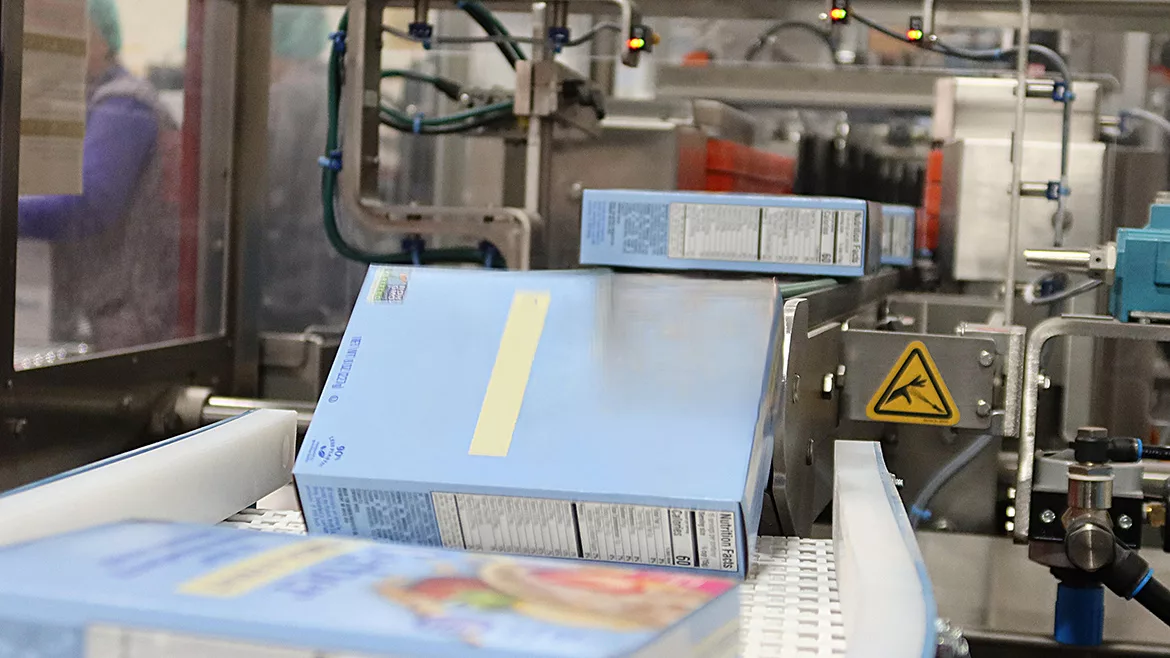
The centerpiece of this operational overhaul was the Alterion CL-170 mid-speed cartoner. This specific model was identified as the "Goldilocks" solution for GreenSeed’s Batavia plant—sophisticated enough to automate the most labor-intensive aspects of the line, yet flexible enough to allow for human-assisted loading where precision was paramount. The CL-170 is designed to bridge the gap between manual entry-level machines and high-speed, fully automated systems that often require a massive footprint and a prohibitive capital investment.
One of the most pressing challenges GreenSeed faced was a constricted project timeline. In the CPG world, "time to shelf" is the ultimate metric of success. R.A Jones responded by leveraging their domestic manufacturing capabilities in Kentucky to complete a three-month build cycle—a timeline that is nearly unheard of for a machine of this complexity. This rapid turnaround was not merely a matter of rushing production; it was the result of a vertically integrated manufacturing process where engineering, assembly, and testing occur under one roof.

The implementation of the Alterion CL-170 at the Batavia facility was a masterclass in industrial integration. In an industry where "start-up curves" often last weeks, the R.A Jones team achieved full-scale production on the very same day the machine was installed. This "plug-and-play" success was attributed to the Alterion’s intuitive operator interface and its ergonomic design, which minimized the learning curve for GreenSeed’s floor staff. The machine’s ability to take the output from two separate production lines and funnel them into a single, streamlined cartoning process immediately resolved a bottleneck that had previously limited the plant’s total capacity.
From a technical standpoint, the Alterion CL-170 offers several features that are critical for the 2026 market landscape. As SKU proliferation continues to rise, the ability to perform quick, repeatable changeovers has become a competitive necessity. The CL-170 utilizes a configurable bucket conveyor length, allowing GreenSeed to tailor the machine’s footprint to the specific constraints of their facility while maintaining the ability to adjust for different carton sizes in a matter of minutes. This versatility is bolstered by the machine’s high OEE ratings, which ensure that when the line is running, it is producing at peak efficiency with minimal waste—a key factor for brands focused on sustainability and cost-per-unit metrics.
The partnership also highlights the growing importance of domestic manufacturing and support. By working with a U.S.-based manufacturer like R.A Jones, GreenSeed bypassed the logistical nightmares of transoceanic shipping and international parts sourcing. Furthermore, the backing of Coesia—a multi-billion dollar global leader in advanced automated machinery—ensures that GreenSeed has access to a global repository of technical knowledge and innovation. This relationship has allowed GreenSeed to transition from a traditional contract packager into a high-tech manufacturing partner capable of solving chronic industry challenges such as labor allocation and floor space optimization.

Looking toward the future, the acquisition of the Alterion CL-170 serves as a strategic blueprint for GreenSeed’s 2026 growth strategy. While the current project involves a three-year contract for a specific cereal brand, the machine was selected for its "life-after-project" utility. The bag-in-box market is projected to grow significantly as e-commerce continues to demand more durable, secondary packaging. Once the initial contract concludes, GreenSeed plans to utilize the Alterion’s wide carton range and rapid changeover capabilities to pivot to other dry food applications, snacks, or even pharmaceutical secondary packaging.
This investment also signals a broader shift toward automation within GreenSeed’s operations. The success of the CL-170 has provided the "proof of concept" necessary to begin automating remaining manual lines. By reducing the physical strain on workers and reallocating labor to higher-value tasks like quality assurance and logistics management, GreenSeed is addressing the persistent labor shortages that have plagued the Midwestern manufacturing corridor.
The story of GreenSeed and R.A Jones is more than a simple transaction; it is a case study in how the right equipment partner can transform a business’s trajectory. In the competitive landscape of contract packaging, where margins are thin and expectations are high, the ability to deliver same-day operational success is a powerful differentiator. By prioritizing engineering excellence and long-term flexibility, GreenSeed has not only satisfied a global brand but has fortified its position as a leader in the next generation of bag-in-box production. As we move closer to 2026, the Batavia facility stands as a testament to the power of strategic automation, proving that with the right technology, even the most complex market demands can be met with seamless efficiency.