
A comprehensive analysis of the UK’s growing network of sustainable shopping destinations reveals that London stands head and shoulders above other urban centres in providing consumers with readily accessible options to eschew single-use packaging. The data, sourced from the continually updated Refill Locator—an essential digital tool designed to connect conscientious consumers with eco-friendly retail points—highlights a significant geographical disparity in the availability of package-free shopping experiences. This online platform maps an impressive 675 registered refill locations nationwide, offering users the ability to search within a 25-mile radius of their location and even identify businesses offering returnable container options for home delivery services.
The latest enumeration places the capital city firmly at the apex, boasting an extraordinary 63 dedicated refill establishments. This figure dwarfs the nearest contenders, underscoring London’s role as the vanguard for the circular economy in the UK retail sector. Following the capital in the ranking are several vibrant regional hubs. Bristol secures a respectable second place with 27 verified refill stores, while Oxford follows closely with 22 locations. Brighton & Hove registers 21 outlets, demonstrating robust commitment to waste reduction on the South Coast. Further down the list, Gloucester and the historic city of York both feature 19 outlets, suggesting strong local engagement with sustainable provisioning. Bath (16), Exeter (15), Swansea (14), and Bournemouth (13) complete the top ten, indicating a healthy, albeit uneven, national adoption of refill infrastructure.
The Refill Locator, maintained by the environmental charity WRAP under its Recycle Now initiative, serves as a crucial bridge between public desire for sustainability and practical retail access. Consumers are able to utilize this resource to pinpoint local shops offering bulk purchasing for an extensive array of necessities, spanning from household cleaning agents and personal care items to staple pantry goods and even niche gift selections. The very existence and expansion of this network directly correlate with the escalating consumer appetite for alternatives to the pervasive culture of disposable packaging.
Recent findings from the citizen recycling tracker, published during the most recent Recycle Week (2025), paint a compelling picture of public sentiment. The survey indicated that an overwhelming majority—nearly nine out of ten individuals polled—expressed a strong motivation to adopt shopping practices that minimize packaging waste, with 87% citing motivation for online shopping habits and 89% for in-store purchases.
Interestingly, the data reveals a generational divide in the method of engagement with refill culture. While overall interest is high across all age groups, the practical application of bringing one’s own containers for in-store replenishment is currently dominated by the older demographic, paradoxically, while the younger generation shows greater enthusiasm for future adoption. Specifically, 25% of individuals aged 18 to 34 report having taken their own packaging to be refilled in a physical store within the past few years. In sharp contrast, only 8% of those aged 55 and older report similar recent actions.
However, when examining intent to participate, the narrative shifts, revealing latent demand across the age spectrum. A substantial 42% of 18-to-34-year-olds who have never engaged in refill shopping expressed a keen desire to start. Even more pronounced is the interest among the senior cohort, where 56% of those aged 55 and above indicated they are eager to embrace this method of purchasing.
Further demographic scrutiny reveals subtle variances between genders regarding refill adoption. Women appear slightly more receptive to the concept overall, with 55% expressing openness compared to 47% of men. Yet, in terms of demonstrated past action, men have slightly edged out women, with 15% of men having utilized refill services recently, compared to 13% of women.
The broader recycling tracker survey also illuminated existing successful strategies consumers are employing to reduce packaging overload. The resurgence of the traditional bar format for personal hygiene products is clearly evident; over half of respondents (56%) confirm regular use of solid soap bars. Similarly, hydration habits are trending greener, with just over half (51%) consistently refilling reusable coffee flasks or water bottles. Furthermore, the move toward concentrated product formats is gaining traction, as 35% purchase concentrated cleaning solutions, and a quarter (25%) have incorporated dry shampoo or conditioner bars into their routines over the last few years.
Lowelle Bryan, Senior Specialist at WRAP and the driving force behind the Recycle Now initiative, emphasized the systemic shifts now underway. “We are observing tangible momentum building across the entire retail industry regarding reuse models,” Bryan stated. “For instance, last year saw nine of the UK’s principal grocery retailers commit to a formal examination of how reusable packaging frameworks can be successfully integrated into both their physical store operations and their e-commerce fulfillment chains. To effectively amplify these vital industry commitments, it is equally imperative that we educate and empower citizens regarding the manifold advantages of reuse, thereby cultivating robust consumer demand.”
Bryan strongly advocates for the accessibility tool: “The Recycle Now Refill Locator is an indispensable resource designed to demystify the process of locating your nearest refill supplier and experimenting with this alternative method of consumption. Shoppers will undoubtedly be surprised by the diversity of premium products available and how quickly the habit of refill shopping can integrate seamlessly into daily life. This sector has navigated considerable headwinds recently, and by actively supporting these specialized local businesses, alongside the innovative packaging solutions being introduced in major high street outlets, we can help solidify their presence and achieve significant reductions in packaging waste volumes.”
The environmental case for prioritizing refillable and reusable systems extends far beyond visible waste reduction. These models drastically curb the ongoing demand for virgin materials, consequently mitigating the greenhouse gas emissions associated with the extraction, processing, and transportation of new resources. For the consumer, the benefits include tangible financial savings, as purchasing is limited precisely to the required quantity, and a substantial reduction in the volume of packaging waste requiring disposal at home. The primary challenge facing these pioneering refill stores and retailers remains their need to compete against the highly optimized, often heavily subsidized, efficiency of the ubiquitous single-use system.
Laura Ford, Sustainability Director at the ethically focused brand Faith In Nature, champions the intrinsic alignment of refill concepts with her company’s ethos. “Refillable solutions represent the logical progression of everything Faith In Nature has fundamentally believed: that the care we take for ourselves must never come at the irreversible cost of planetary health,” Ford asserts. “By offering comprehensive refill options across our personal care and household product portfolio—from restorative shampoos to powerful washing-up liquids—we are actively facilitating consumer transition away from single-use packaging in a manner that feels entirely natural within established daily rituals. Providing refillable formats is not merely an optional alternative; it is a fundamental prerequisite for making genuinely sustainable choices accessible to the masses, simultaneously assisting consumers in managing budgets and minimizing their ecological footprint.”
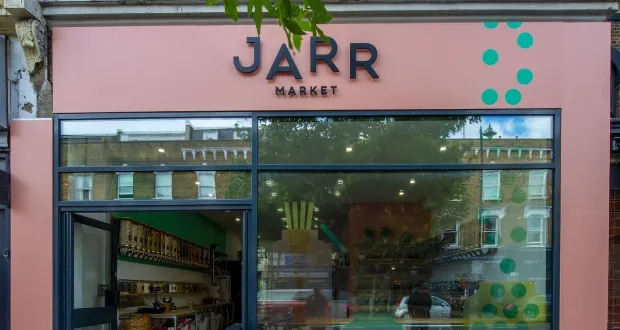
Jessica Rimoch of Jarr Market, a prominent zero-waste supplier (and featured in recent promotional imagery), offers pragmatic advice for newcomers to the movement. “Our primary counsel for anyone contemplating their first refill experience is straightforward: simply try it. Retain a collection of your empty jars or containers—literally any vessel will suffice. You can bring an empty shampoo bottle, for instance, and replenish the exact same product without acquiring additional plastic.” Rimoch also notes the pleasant surprises many first-time visitors encounter: “A great many people are genuinely astonished to discover that we stock high-value superfoods like organic spirulina, specialized protein powders, functional mushrooms such as lion’s mane, and psyllium husk, all available at a substantially reduced price point compared to their pre-packaged counterparts.”
WRAP is actively encouraging broader participation from the refill retail community. Through its official channels, Recycle Now is proactively reaching out to unlisted refill shops across the nation, inviting them to connect with WRAP to ensure their details are accurately incorporated into the growing national Refill Locator map, thereby maximizing their visibility to environmentally conscious consumers.