
The environmental and economic imperative to maximize material recovery across the United Kingdom has been sharply underscored by the waste management charity WRAP (Waste and Resources Action Programme), which is sounding the alarm over the significant volume of recyclable goods still being diverted to landfill or incineration—a practice they vividly term "cash in the trash." This urgent public awareness push coincides precisely with the impending national implementation of the Simpler Recycling reforms, scheduled to standardize household collection practices across England at the close of the month.
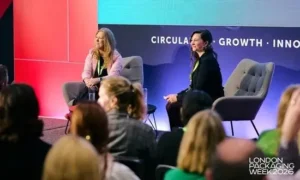
Hannah Jarratt, the driving force behind WRAP’s marketing and campaigns leadership, acknowledged the UK’s generally positive recycling culture. She highlighted compelling data indicating that a vast majority—nine out of ten residents—self-identify as regular recyclers. However, Jarratt stressed that sentiment does not equate to maximized capture rates. The gap between intention and outcome represents a colossal loss of valuable, reusable resources.
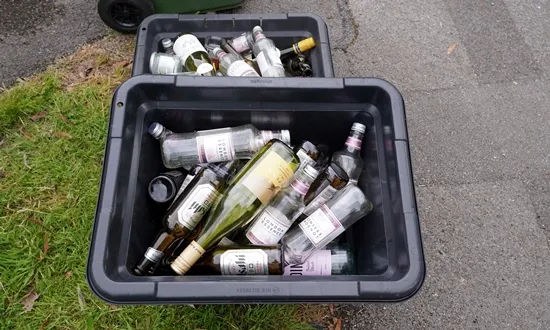
"Our analysis reveals a startling reality: the average household is discarding approximately 2.5 recyclable items with every refuse collection," Jarratt quantified. "Extrapolated across the entire nation, this translates to a staggering 2.3 billion potentially recoverable items being needlessly sent to disposal streams annually. These are not abstract materials; they are tangible commodities—aluminium foil, personal care product containers like shampoo bottles, even toothpaste tubes, trigger sprays, aerosol cans, common yoghurt pots, empty aftershave and perfume bottles, and ubiquitous toilet roll tubes—all ending up where they offer zero economic or environmental benefit."
The forthcoming national mandate for Simpler Recycling represents the most substantial structural change to domestic waste collection logistics in over two decades. Following its initial phased introduction for commercial entities employing ten or more individuals starting in March of the previous year, the reforms will now enforce a uniform, mandatory four-stream collection system for all residences across England. This standardization mandates separate streams for: paper and card fibre; organic food waste; mixed dry recyclables (plastics, metals, cartons, etc.); and residual, non-recyclable waste. The goal is to eliminate confusion, reduce contamination, and streamline the sorting process at Material Recovery Facilities (MRFs).
The regulatory landscape surrounding recycling compliance has recently been the subject of clarification, particularly in response to media speculation. Earlier this year, the Department for Environment, Food & Rural Affairs (Defra) moved to decisively refute reports circulating in certain segments of the press suggesting that householders could face punitive fines reaching as high as £400 for minor recycling contamination errors. Defra clarified that such sensationalized figures were based on a fundamental misunderstanding of the legislation. The widely publicized "forbidden items" lists, which sometimes erroneously included common household goods like batteries or disposable wet wipes, referred to materials that were simply outside the defined scope of the new mandatory collection streams, not items actively prohibited with severe penalties.
Defra officials confirmed that while the primary enforcement mechanism for gross non-compliance or persistent poor practice remains the power for local authorities to issue fixed penalty notices, the maximum penalty applicable for incorrect waste presentation is capped at £80, and crucially, this can only be enacted following the issuance of formal written warnings. Despite this relatively modest penalty ceiling, an increasing number of local councils across England are actively intensifying efforts to curb recycling contamination. This heightened enforcement vigilance is largely driven by the escalating operational and gate fees associated with landfill disposal and energy-from-waste processing, making cleaner material streams economically vital.
WRAP posits that the unification brought by Simpler Recycling is the essential catalyst needed to bridge the gap between aspiration and achievement in national recycling metrics. The organization forecasts that the standardized system has the potential to deliver a substantial uplift of five percentage points directly to the municipal recycling rate. This boost is critically important as England strives to meet the legally binding national target of achieving a 65% household recycling rate by the year 2035. For context, the most recent verified figure for 2023 stood at 44.6%. Closing this nearly 21-point gap requires systemic efficiency gains, which Simpler Recycling is designed to provide.
Mary Creagh, the current Circular Economy Minister, articulated the broader governmental vision underpinning this legislative shift. "The successful rollout of Simpler Recycling is about far more than just separating plastics from paper," Minister Creagh stated. "It is about strategically enabling the nation to efficiently recover the enormous inherent value locked within the materials we dispose of daily. By doing so, we actively contribute to building a cleaner, more resilient, and fundamentally greener economy that delivers tangible benefits for every community and citizen."
The success of this transition hinges not just on the standardized bins but on robust public understanding. WRAP’s ongoing campaigns are focused on demystifying the new rules, providing clear visual guides, and ensuring that the convenience promised by the simplification process translates into genuine participation and compliance at the kerbside. The financial consequences of the status quo—the "cash in the trash"—are too significant, both environmentally through lost material circularity and economically through unnecessary disposal expenditure, to allow confusion to persist. The upcoming weeks will be crucial in determining how effectively England adopts this new paradigm for waste management.