
In the contemporary landscape of fashion, retail, and corporate branding, the journey from a conceptual sketch to a physical product is fraught with technical complexities and logistical hurdles. The Bag Workshop serves as the essential architectural bridge in this process, functioning as a design and production powerhouse that translates raw creativity into retail-ready reality. Whether a brand is seeking high-performance technical backpacks for the outdoor market, avant-garde fashion pieces for a runway collection, or sustainable packaging solutions for influencer unboxing experiences, the transition from idea to inventory requires a sophisticated blend of material science, engineering, and supply chain management. By handling the intricacies of material sourcing, technical drawing, and manufacturing oversight, the workshop allows creators to focus on their vision while ensuring the final product meets the highest international standards of durability and aesthetic appeal.
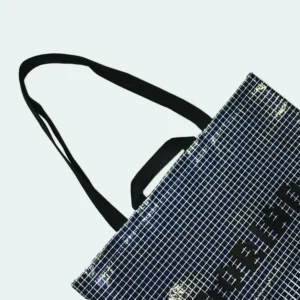
The versatility of modern bag manufacturing means that the "one-size-fits-all" approach is long obsolete. Today’s production capabilities cover the entire spectrum of carry-solutions. This includes everything from heavy-duty canvas totes with reinforced leather handles to luxury leather goods and complex technical gear. The philosophy is simple: if a product is designed to be carried, it can be engineered and manufactured. This expansive scope is particularly vital for businesses looking to create unique product storage solutions or branded gifts that resonate with a specific audience. By moving beyond generic templates, brands can develop "walking billboards" that provide utility to the user while serving as a long-term marketing asset.
For many creators, the most daunting phase of production is the initial design. Often, a designer may only have a rough hand-drawn sketch or a digital mood board reflecting a specific "vibe." The Bag Workshop specializes in this "Discovery and Strategy" phase, utilizing a comprehensive "bag fact-finder" to extract the necessary technical requirements from a client’s vision. This information is then translated into a Technical CAD (Computer-Aided Design) drawing. This blueprint is the universal language of the factory floor; it specifies every measurement, seam type, and hardware placement. Without this technical foundation, the risk of "lost in translation" errors increases exponentially, often leading to costly mistakes and wasted materials when working directly with manufacturers who may not have in-house design consultation services.
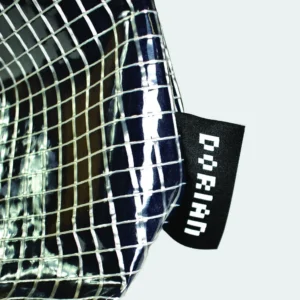
Material selection is where a bag’s character and functionality truly come to life. The modern designer has access to a vast library of textiles, ranging from traditional heavy-weight canvas to cutting-edge recycled materials. Sustainability has moved from a niche requirement to a core business objective. Consequently, the sourcing process now includes eco-friendly options such as RPET (fabrics made from recycled plastic bottles), Fairtrade cotton, and organic mesh. For those seeking innovative alternatives to animal leather, the workshop can source "bio-leathers" like Piñatex, which is derived from pineapple leaf fibers. Beyond the primary fabric, the customization suite extends to the smallest details: custom-dyed linings, branded metal hardware, specialized zippers, and various printing techniques like screen printing, embroidery, or heat transfer. Crucially, this selection process is guided by "value engineering," where experts recommend materials that balance the desired aesthetic with the client’s specific budget and durability requirements.
Ethical manufacturing and quality assurance are the twin pillars of a successful production run. In an era of high consumer transparency, knowing where and how a bag is made is as important as the design itself. The Bag Workshop utilizes SEDEX-audited factories, ensuring that social and ethical standards are strictly maintained. This commitment to ethics extends to the chemical level; for example, a "vegan-friendly" bag must be verified not just for its lack of leather, but to ensure that the glues and dyes used in production contain no animal by-products. Quality control is further reinforced by adhering to UK quality standards, regardless of where the physical production takes place. This involves rigorous load-bearing tests to ensure handles and straps can withstand the intended weight, as well as technical distinctions between "water-resistant" coatings and "waterproof" construction involving seam-taping and specialized zippers.
The transition from prototype to mass production is a structured, four-phase journey. After the initial discovery and technical development, the prototyping and refinement phase begins. This is perhaps the most critical step, as it provides a physical benchmark for the final product. A sample allows the client to test the ergonomics, feel the fabric weight, and approve the branding before the factory commences the mass production run. Generally, custom production cycles require a minimum order quantity (MOQ) of 250 to 500 units, depending on the complexity of the build and the specific fabric requirements. For luxury or highly specialized items, lower volumes can sometimes be negotiated, particularly when a client is developing a multi-style collection.
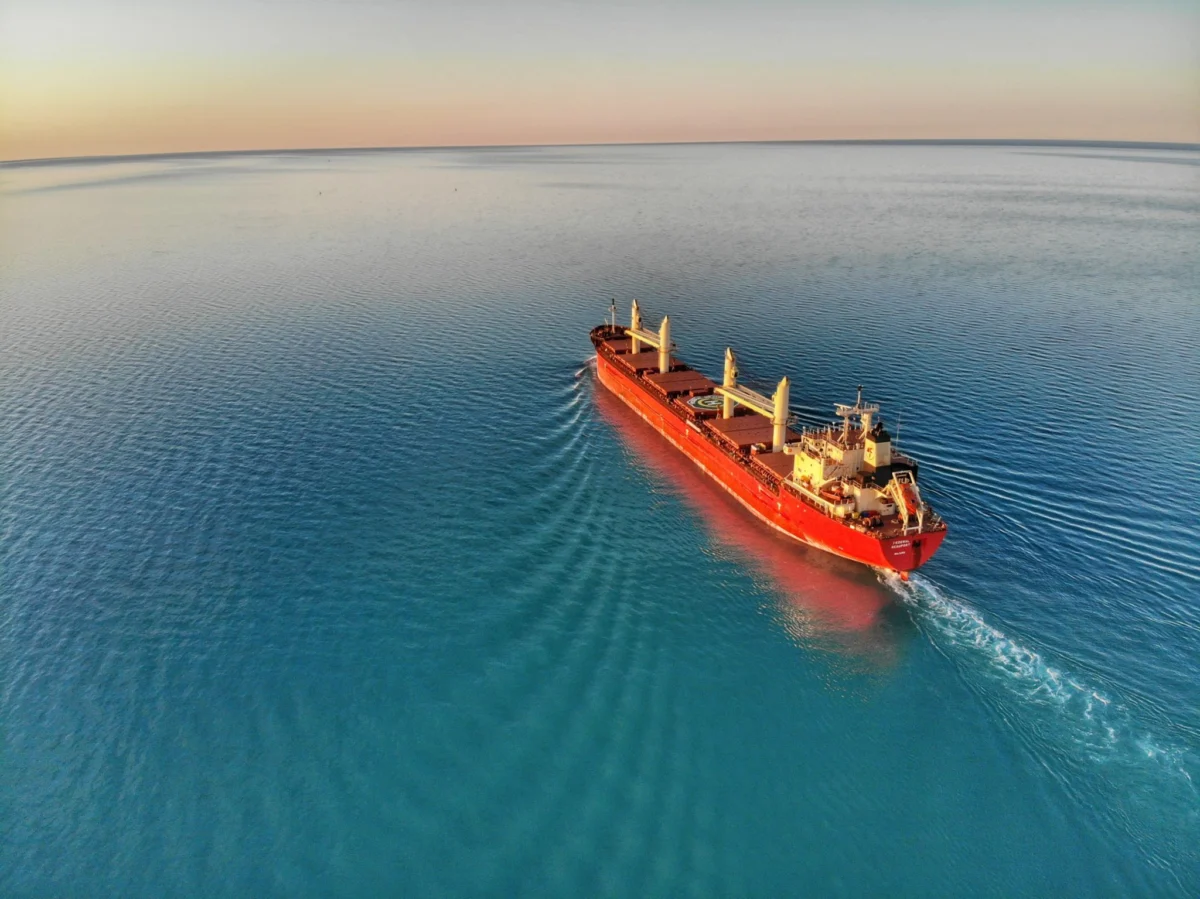
Logistically, the path from "concept to cargo" is managed with an emphasis on transparency and "landed cost" pricing. Many first-time developers are blindsided by hidden costs such as import duties, international shipping fees, and local taxes. By providing a comprehensive quote that includes all these variables delivered to the client’s door, the workshop removes the financial ambiguity of global trade. Shipping timelines typically involve three weeks for sampling, followed by four to twelve weeks for mass production. Depending on the urgency and budget, delivery can be expedited via air freight (approximately 10 days) or managed via more cost-effective sea freight (approximately 5 weeks). Throughout this process, the workshop manages the entire supply chain, conducting final quality assurance checks before the cargo leaves the factory.
In the final stage of the journey, attention turns to the "unboxing experience." In the age of social media, the packaging of a bag is often the first point of interaction between the brand and the consumer. Professional manufacturing includes options for retail-ready packaging, such as SKU-marked cartons, compostable protective bags, custom swing tags, and even silica gel packets for moisture control during transit. Whether the bag is destined for a retail shelf or a high-end influencer mailer, the packaging is engineered to protect the product while reinforcing the brand’s premium identity.
The decision to choose a bespoke, tailor-made bag over a ready-made, off-the-shelf product is ultimately a decision about ownership and differentiation. An off-the-shelf bag is a generic template available to anyone; it lacks the unique intellectual property (IP) that defines a brand. A bespoke bag, protected by a Non-Disclosure Agreement (NDA), belongs entirely to the creator. It allows for the solving of specific problems—such as internal tech housing or ergonomic perfection for specific body types—that generic products simply cannot address. Furthermore, bespoke design allows for total control over the sustainability narrative, enabling the reduction of fabric waste through clever pattern engineering.
While some might consider going directly to a factory to save costs, the reality is that most factories are "makers," not "creators." They require professional "Tech Packs" to function effectively. Without a professional bridge to provide the technical language and blueprints, details are frequently lost, leading to failed samples and significant financial loss. By acting as the technical and creative intermediary, The Bag Workshop ensures that the vision conceived in a sketch is the same one that arrives at the warehouse. For those ready to begin their journey, the process starts with a simple conversation and a design specification form, framing the concept and setting the stage for a product that truly stands out in a crowded global marketplace. To explore the possibilities of custom manufacturing or to begin a project, creators can reach out via email at [email protected] or call 01225 667979 to speak with a design consultant.