

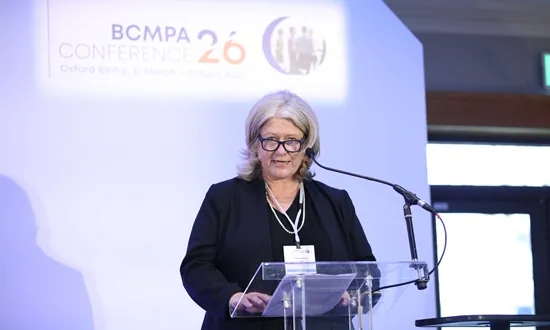
The escalating conflict in the Middle East has sent shockwaves through the global economy, destabilizing trade routes and exposing the inherent vulnerabilities in long-distance, lean supply chain models. As geopolitical tensions disrupt the flow of essential goods, British businesses are increasingly turning to domestic solutions to safeguard their operations. Emma Verkaik, Chief Executive of the BCMPA (the Association for Contract Manufacturing, Packing, Fulfilment & Logistics), reports a significant surge in inquiries from companies seeking to mitigate risk through domestic outsourcing. This shift marks a pivotal moment for the UK manufacturing and logistics sector, proving that onshoring is no longer merely a strategic preference—it has become a fundamental requirement for business continuity.
The Fragility of Globalized Trade
For years, the "just-in-time" manufacturing model was the gold standard for efficiency, allowing brands to minimize inventory costs and streamline operations. However, the post-pandemic era has repeatedly demonstrated the brittleness of this approach. From the initial shocks of COVID-19 to the current geopolitical volatility, the reliance on distant, complex supply chains has left many businesses exposed to unpredictable delays.
The current Middle East conflict has exacerbated these existing pressures. As shipping lanes become hazardous or congested, global freight rates have climbed, and the costs of energy and raw materials have become increasingly volatile. For UK brands, this translates into a "perfect storm": higher production costs, extended lead times, and a growing inability to guarantee delivery schedules to consumers. When components are stuck in rerouted shipping lanes or delayed at ports, the entire production cycle grinds to a halt. The unpredictability of these external factors is forcing a radical reassessment of how products are brought to market.
Onshoring: A Move from Efficiency to Resilience
Verkaik emphasizes that the argument for onshoring—the practice of transferring a business operation that was moved overseas back to the country from which it was originally relocated—is now central to corporate success. By utilizing UK-based contract manufacturers, packers, and logistics specialists, companies can effectively shorten their supply chains.
"We have been anticipating another significant event post-COVID that would underscore why UK third-party solutions are integral to providing a secure supply of goods," Verkaik notes. When a brand partners with a domestic outsourcing firm, they gain more than just production capacity; they gain proximity. Closer supply chains mean faster response times, greater transparency, and the ability to pivot quickly when a crisis strikes. In an era where "uncertainty" is the only constant, the ability to rely on a local partner who understands the domestic market can be the difference between maintaining a steady flow of goods and facing empty shelves.
The Cost of Volatility
The economic reality of the current conflict is felt most acutely in the bottom line. As oil and gas prices fluctuate, the transportation of goods from Asia or the Americas becomes exponentially more expensive. These costs, when compounded by the administrative burden of international customs and the inefficiencies of global port congestion, put immense pressure on profit margins.
For many businesses, the traditional offshore model is no longer cost-effective. While the initial "sticker price" of manufacturing in lower-cost regions may appear attractive, it does not account for the hidden costs of risk—the loss of revenue from stockouts, the expense of expedited shipping to make up for delays, and the reputational damage caused by failing to meet consumer demand. UK outsourcing partners offer a stable alternative, providing a reliable buffer against these external shocks. By regionalizing their sourcing and production, brands can stabilize their operating costs and insulate themselves from the extreme volatility of global shipping.
Strategic Diversification: Moving Beyond ‘Just-in-Time’
The current crisis serves as a stark reminder that resilience must be built into the supply chain architecture itself. This involves moving away from an over-reliance on single-source, international providers and moving toward a strategy of diversification.
Verkaik urges businesses to view UK outsourcing partners as long-term strategic assets rather than temporary stopgaps. "UK third-party outsourcing partners are for life, not just for Christmas," she remarks, highlighting the need for deeper, more collaborative relationships. When a brand integrates a domestic fulfillment or packing partner into its long-term strategy, they create a partnership capable of weathering long-term economic shifts.
This is not to suggest that global trade should be abandoned, but rather that it should be balanced. A hybrid approach—where essential or high-turnover goods are manufactured and fulfilled closer to home, while non-essential components are sourced globally—allows for a more balanced risk profile. This agility is what defines the modern, resilient business.
The Role of the BCMPA
As the primary voice for the UK’s contract manufacturing and logistics industry, the BCMPA is at the forefront of this transition. The association provides a vital network of expertise, connecting brands with specialists who can handle everything from complex manufacturing requirements to high-volume e-commerce fulfillment.
The recent spike in inquiries at the BCMPA indicates a growing awareness among UK businesses that their current supply chains are not equipped for the volatility of the 21st century. The organization is now playing a key role in helping brands map out their requirements, identify domestic partners who can provide the necessary capacity, and navigate the transition toward a more localized supply strategy.
A Call to Action for UK Brands
For leaders in the retail, manufacturing, and consumer goods sectors, the message is clear: the time to re-evaluate the supply chain is now. Waiting for the next global disruption is a strategy that carries significant risk. By proactively reaching out to UK-based experts, companies can build the necessary infrastructure to withstand the current pressures and prepare for future challenges.
The benefits of this shift are multifaceted. Beyond the immediate relief of reduced transportation delays and stable energy costs, onshoring contributes to a more sustainable business model. Lower "food miles" and reduced transportation emissions align with the growing consumer demand for environmentally responsible business practices. Furthermore, supporting UK-based businesses strengthens the domestic economy, creating jobs and fostering innovation within the British manufacturing sector.
Building for the Future
The current geopolitical climate will undoubtedly continue to present challenges. However, these challenges also offer an opportunity for transformation. By embracing UK-based outsourcing, businesses are not just solving a temporary logistics problem; they are investing in the long-term viability of their brands.
As Emma Verkaik concludes, "Pick up the phone and speak to UK contract manufacturers, packers, and fulfilment and e-commerce specialists. They could be the ones to help you weather this difficult time." The path to success in an unstable world is paved with resilience, local expertise, and a commitment to strategic, domestic partnerships. Those who make this shift today will be the ones who lead the market tomorrow, proving that in the face of global uncertainty, the most reliable solutions are often the ones closest to home.