
The packaging industry is undergoing a seismic shift, driven by a powerful coalition of eco-conscious consumers and forward-thinking manufacturers who recognize that the era of over-reliance on virgin materials is coming to a close. A comprehensive new study conducted by Perspectus Global across six European nations reveals that sustainability is no longer a "nice-to-have" marketing buzzword; it has become a primary driver of purchasing behavior, second only to price. As brands grapple with the pressure to meet these changing expectations, the message from the market is clear: the future of packaging lies in circularity, resource efficiency, and the widespread adoption of recycled materials.
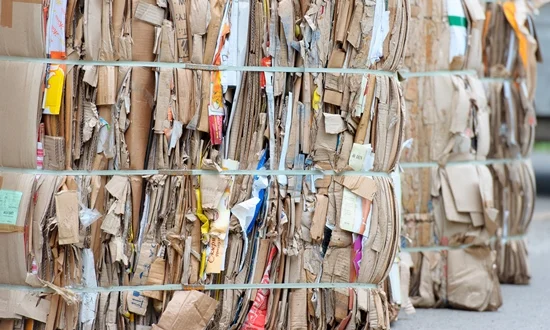
Krzysztof Krajewski, chief sustainability and innovation officer at the RDM Group, suggests that the industry has spent decades operating under a flawed default setting. For far too long, manufacturers have reflexively reached for virgin fibers—newly harvested wood pulp—even when high-quality recycled alternatives were readily available and perfectly suited for the task. This outdated methodology, Krajewski argues, is a missed opportunity for environmental stewardship. By choosing recycled materials over virgin fibers whenever possible, companies can significantly reduce their strain on natural resources, lower their carbon footprint, and take a meaningful step toward a truly circular economy.
The data confirms that this is not merely a niche trend favored by a small subset of activists; it is a mainstream movement. According to the research, 91% of consumers are actively noticing packaging design, and 43% are scrutinizing products specifically to determine their recyclability. The implications for brand loyalty are profound. In the past 12 months alone, 45% of surveyed consumers have intentionally selected a brand based on its packaging, while nearly four out of ten shoppers have permanently boycotted a product due to concerns regarding its environmental impact. Sustainability is now a deal-breaker. When asked about their priorities, 75% of respondents identified sustainability as a top concern, with 55% explicitly focusing on the ease of recycling as their primary driver for brand engagement.
Perhaps the most significant takeaway from the study is the decline of superficial aesthetics. For years, brands prioritized flashy, overly complex, or "premium-looking" packaging to entice buyers on the shelf. However, the survey indicates that function is now triumphing over form. Only 18% of consumers stated that design and appearance were their primary concern. In contrast, 56% identified "easy disposal and recycling" as their top priority, with 52% emphasizing general sustainability. This suggests that the modern consumer is looking for "responsible packaging" rather than "luxury packaging."
The preference for recycled materials is overwhelming. Across all six countries surveyed, recycled cartonboard was found to be twice as popular as glass. Furthermore, nearly 70% of respondents stated they would actively choose recycled packaging over products encased in virgin cartonboard. Perhaps most damaging to brands that insist on virgin materials is the perception of their corporate identity: 80% of participants noted that brands using recycled materials appear more responsible and trustworthy than those that do not.
Despite this clear mandate from the public, there remains a significant knowledge gap that the packaging industry must address. The survey highlighted that only 54% of European consumers truly understand the technical distinction between virgin and recycled materials. This deficit is even more pronounced in the United Kingdom, where only 43% of respondents felt confident in their ability to differentiate between the two. This suggests that while consumers are motivated to make the right choice, they are often flying blind, relying on brand signaling rather than a deep understanding of material science.
This is where the industry’s responsibility becomes critical. Krajewski argues that the technical barriers to using recycled cartonboard have largely evaporated. Modern advancements in fiber processing and recycling technology mean that recycled cartonboard can now match the performance, durability, and print quality of virgin fibers across a vast spectrum of applications—from food packaging to luxury consumer goods.
"The question companies should be asking is not ‘can recycled work?’ but ‘why aren’t we using it where we can?’" says Krajewski. He asserts that the most sustainable fiber is the one that already exists within the supply chain. By keeping existing fibers in circulation for as long as possible, the industry can create a closed-loop system that minimizes waste and keeps forests standing.
For many manufacturers, the transition to recycled content is also a hedge against the volatility of the global raw material market. As supply chains become increasingly fragile and the costs of virgin resources fluctuate, a circular model provides a more stable, domestically sourced supply of materials. Furthermore, as European regulations—such as the Packaging and Packaging Waste Regulation (PPWR)—begin to mandate higher percentages of recycled content, companies that have already made the switch will find themselves at a distinct competitive advantage.
However, the path forward is not without its hurdles. To truly harness the power of this consumer demand, the industry must focus on transparency and education. If 46% of consumers still do not understand the difference between material types, brands must invest in clearer labeling and communication strategies. Greenwashing, or the use of misleading environmental claims, is becoming increasingly easy for savvy consumers to identify. Authentic sustainability, backed by measurable data and clear, circular packaging choices, is the only way to build long-term brand equity.
The RDM Group’s findings serve as a wakeup call for the C-suite. The days of treating packaging as an afterthought—a mere vessel to protect the product—are over. Today, packaging is a core component of the product itself, a tangible manifestation of a brand’s values, and a primary touchpoint for the customer experience. Consumers are effectively voting with their wallets, rewarding companies that demonstrate a commitment to the planet and punishing those that cling to resource-heavy, unsustainable practices.
As we look toward the future of retail, the integration of recycled cartonboard and other circular materials will become the baseline expectation. Companies that continue to rely on virgin fibers when functional alternatives exist will find themselves increasingly alienated from a consumer base that is more informed, more critical, and more environmentally engaged than ever before. The "circular shift" is no longer a suggestion; it is the new standard of doing business. The industry now faces a choice: innovate and lead the transition to a sustainable future, or risk being discarded by a generation of consumers who are no longer willing to settle for the status quo.
In conclusion, the data is unequivocal. The European market is signaling a decisive move toward circularity. The success of brands in the coming decade will depend on their ability to simplify their packaging, prioritize recyclability, and embrace the high-performance potential of recycled materials. The technology is here, the consumer demand is here, and the environmental imperative is more urgent than ever. The only remaining variable is the speed at which the industry chooses to adapt. As Krajewski poignantly summarizes, the objective is simple: to keep the material in the loop, reduce the pressure on our forests, and prove to the modern consumer that their voice is being heard.