
The landscape of corporate branding is currently undergoing a seismic shift, moving away from the era of "disposable swag" toward a new paradigm of value-driven, high-quality merchandise. For decades, the promotional product industry was defined by a race to the bottom, where the primary objective was to acquire the highest volume of items at the lowest possible price point. This led to an influx of flimsy plastic pens that leaked in pockets, scratchy t-shirts that shrunk after a single wash, and—perhaps most ubiquitously—the paper-thin, non-woven tote bags that tore under the weight of a single laptop. Today, however, the "swag" label has picked up significant negative baggage. In an age of heightened environmental consciousness and discerning consumer tastes, these low-effort giveaways no longer serve as brand ambassadors; instead, they often act as liabilities, signaling to clients and employees that a company values quantity over quality and convenience over sustainability.
As we move deeper into 2026, the demand for "anti-swag" has reached a fever pitch. Marketing managers and event planners across the United Kingdom are recognizing that a brand’s physical touchpoints must reflect its internal values. To meet this evolving demand, a new gold standard is being established in the UK branded merchandise sector: the premium canvas tote with genuine leather handles. This is not merely an addition to a product catalog; it is a strategic response to a market that is tired of the "throwaway culture" that has plagued corporate gifting for too long. By prioritizing tactile luxury, ethical manufacturing, and aesthetic longevity, this new offering redefines what it means to give a "promotional" item, transforming it into a retail-quality accessory that recipients actually want to use in their daily lives.
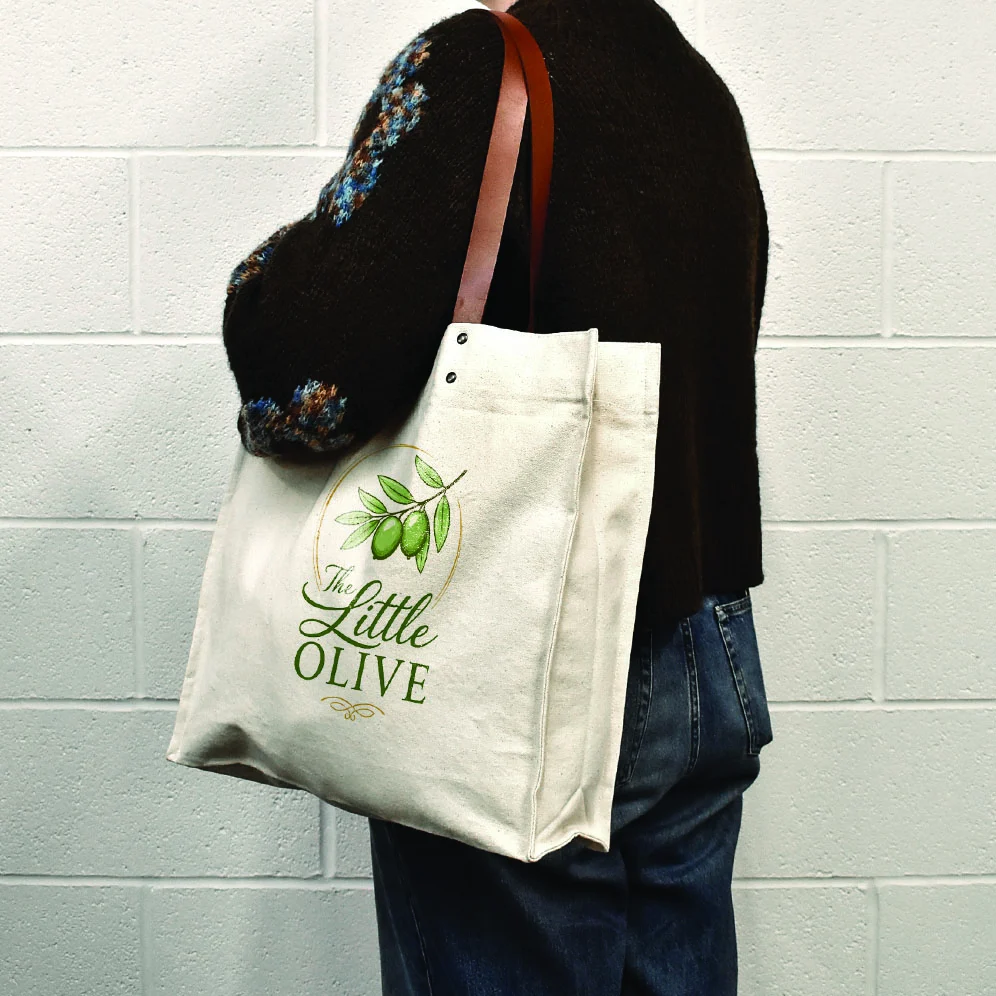
The psychology of gifting suggests that the quality of an object is subconsciously transferred to the brand that provides it. When a client receives a bag that is rugged, stylish, and durable, they associate those same traits with the business. Conversely, a bag that ends up in a landfill within a week creates a negative psychological anchor. The introduction of the heavy-duty canvas bag with leather handles is designed to disrupt this cycle. It is a sophisticated hybrid of utility and elegance, marrying the eco-friendly, resilient nature of high-GSM (grams per square meter) cotton canvas with the professional, refined touch of genuine leather. This is an accessory designed for the commute, the boardroom, and the weekend getaway—a piece of craftsmanship that happens to carry a logo, rather than a billboard that happens to be a bag.
At the core of this new standard are three non-negotiable pillars: Quality, Ethics, and Speed. To understand why this product is a "game-changer," one must look at the technical specifications that separate it from standard promotional fare. Most promotional totes are made from lightweight cotton (around 4oz to 5oz), which lacks structure and durability. The new premium standard utilizes a heavy-duty canvas that provides a substantial, "stand-up" feel. This material is chosen for its ability to withstand the rigors of daily use while maintaining its shape and aesthetic appeal over years, not days. The addition of genuine leather handles—secured with reinforced metal rivets—adds a layer of tactile luxury that is rarely found in the corporate gifting space. These handles are designed to age gracefully, developing a patina over time that only adds to the bag’s character, further extending its lifecycle and the brand’s visibility.
Furthermore, the ethical dimension of manufacturing has become a primary concern for modern enterprises. In 2026, corporate social responsibility (CSR) is no longer a peripheral department; it is central to brand identity. Transparency in the supply chain is a prerequisite for doing business with top-tier firms. Consequently, these premium bags are produced exclusively in SEDEX-audited factories. SEDEX (Supplier Ethical Data Exchange) is one of the world’s leading ethical trade membership organizations, and an audit ensures that the facility adheres to rigorous standards regarding labor rights, health and safety, environmental impact, and business ethics. When a company distributes these bags at a high-profile event, they can do so with the absolute certainty that their brand is not being built on the back of exploitative practices. In a market often flooded with "mystery" sourcing, this level of verification provides a powerful narrative for brands to share with their stakeholders.
Logistically, the UK market has historically faced a dilemma: either opt for low-quality stock available locally or wait months for high-quality custom orders from overseas. The new gold standard solves this by offering high-end, off-the-shelf stock held directly in the UK. This allows for remarkably low Minimum Order Quantities (MOQs)—as few as ten units—and rapid turnaround times, often within two weeks. This agility is vital for the modern business environment, where event timelines are tight and the need for exclusive, small-batch gifting is on the rise. Whether it is a boutique launch in London or a corporate retreat in the Cotswolds, brands no longer have to sacrifice quality for the sake of a deadline.
The versatility of the canvas-and-leather tote makes it an ideal choice for a wide array of high-stakes environments. In the world of corporate events and conferences, it serves as the ultimate "welcome kit" container, capable of holding heavy brochures, laptops, and water bottles without strain. In the retail and hospitality sectors, it functions as a premium "gift with purchase" or a VIP guest amenity that enhances the luxury experience. For internal branding, it acts as a significant "work anniversary" or "onboarding" gift that makes employees feel truly valued. Because the bag is designed with a retail aesthetic, it transcends the "work" environment, appearing at grocery stores, gyms, and cafes, thereby providing the brand with high-frequency, organic visibility in diverse social settings.
Customization is the final element that elevates this product to the gold standard. A premium bag requires premium decoration methods. The generous 25x25cm print area on both sides of the bag serves as a canvas for a variety of sophisticated branding techniques. Traditional screen printing remains a popular choice for bold, vibrant logos, while high-definition digital printing allows for intricate, full-color designs. For those seeking the ultimate in luxury, embroidery offers a textured, high-end finish that complements the leather handles perfectly. Even the interior pocket can be customized with a subtle brand message or a QR code, adding an element of "discovery" for the user. By utilizing these advanced decoration methods, the branding becomes an integrated part of the design rather than an afterthought.
In conclusion, the era of the "disposable" promotional item is drawing to a close, replaced by a demand for products that reflect the sophistication and integrity of the brands they represent. The introduction of the premium canvas bag with leather handles represents more than just a new product launch; it is a manifesto for better branding. It acknowledges that in a world of infinite digital noise, the physical objects we choose to associate with our businesses carry immense weight. By investing in items that prioritize longevity, ethical sourcing, and genuine style, companies can move away from the "landfill" mentality and toward a more sustainable, impactful form of marketing. This is the new benchmark for excellence in the UK merchandise market—a commitment to quality that ensures a brand is not just seen, but respected and kept for years to come.