
In an era where brand identity is defined by the physical touchpoints a company provides, the humble bag has evolved from a simple utility item into a sophisticated vehicle for storytelling, functionality, and sustainability. For many businesses, creators, and fashion innovators, the transition from a conceptual drawing to a retail-ready product is fraught with technical hurdles, logistical nightmares, and manufacturing pitfalls. This is where the specialized expertise of a production bridge becomes invaluable. The Bag Workshop serves as this vital link, transforming initial creative sparks into high-quality, market-ready accessories that stand the test of time and consumer scrutiny.
The Architect of the Accessory: Defining the Production Bridge
Many entrepreneurs believe that the path to a custom product involves going directly to a factory. However, the reality of global manufacturing is often lost in translation. Most factories are "makers," not "creators"; they require precise technical blueprints to function effectively. The Bag Workshop operates as a design and production bridge, providing the technical oversight, material sourcing, and manufacturing management necessary to ensure a concept survives the journey to reality. Whether the goal is to produce branded gifts for the theatre industry, specialized product packaging, or high-end influencer unboxing experiences, the role of the production bridge is to manage the "how" so the client can focus on the "why."
The scope of modern bag manufacturing is vast. It is no longer limited to simple totes or drawstring pouches. Today’s production capabilities encompass everything from high-performance technical backpacks designed for rugged outdoor use to avant-garde fashion pieces that challenge traditional silhouettes. Expertise in the field now requires a deep understanding of diverse materials, ranging from heavy-weight canvas and luxury leather to recycled textiles and high-tech synthetics. If an object can be carried, it can be engineered, and the first step in that engineering process is the translation of a vision into a technical specification.
The Genesis of Design: From Mood Boards to Blueprints
The journey of a bespoke bag often begins with nothing more than a rough sketch, a basic mood board, or a digital drawing. For the uninitiated, this can feel like an insurmountable gap. Professional bag designers bridge this divide by taking these skeletal ideas and developing "Tech Packs"—the technical specifications and blueprints required for factory production. This process involves a "fact-finder" phase where the bag’s dimensions, pocket placements, closure types, and intended use are meticulously outlined.
These specifications are then transformed into technical CAD (Computer-Aided Design) drawings. A CAD drawing is the universal language of the factory floor; it ensures that every stitch, seam, and strap is placed with mathematical precision. This phase is crucial for "value engineering"—the process of refining a design to meet a specific budget without sacrificing the core aesthetic or functional requirements. By understanding a client’s budget from the outset, designers can suggest material alternatives or construction tweaks that align with financial constraints while maintaining high quality.
Material Science and the Art of Customization
One of the most significant advantages of bespoke manufacturing is the level of control it affords over materials and branding. In a world increasingly concerned with environmental impact, the ability to choose "eco-friendly" materials is no longer a luxury—it is a brand requirement. Modern material libraries now include Fairtrade cotton, recycled RPET (made from post-consumer plastic bottles), and innovative bio-leathers such as Piñatex (made from pineapple leaf fibers).
Customization extends far beyond the fabric itself. It involves a full suite of branding options, including bespoke hardware, custom-dyed linings, specialized embroidery, and screen printing. The goal is to create a product that is not just "branded," but "branded by design." Every element, from the weight of the zipper to the texture of the handle, contributes to the user’s perception of the brand.
The Logistics of Global Production
Navigating the timeline and logistics of custom manufacturing requires a strategic approach. The process is typically divided into two main stages: sampling and mass production. Sampling usually takes around three weeks and is perhaps the most critical part of the journey. The sample serves as the physical benchmark for quality and finish; it is the "proof of concept" that the client approves before the factory commits to a full production run.
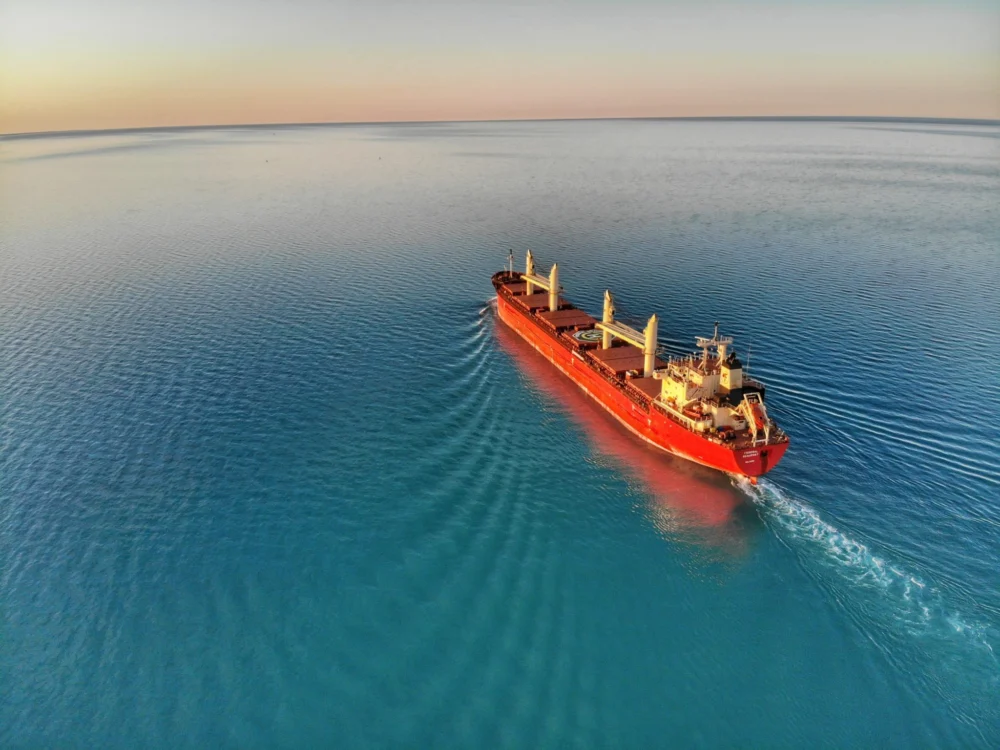
Once the sample is perfected, mass production begins, typically taking between four to twelve weeks depending on the complexity of the bag. Shipping then adds another layer to the timeline. Air freight is the fastest option, often taking around ten days, while sea freight is more cost-effective but can take up to five weeks.
Minimum Order Quantities (MOQs) are a common point of concern for smaller brands. While MOQs generally start between 250 and 500 units for custom production runs, highly specialized or luxury items can sometimes be produced in lower volumes. The key is the complexity of the design and the specific fabric requirements; a bag using a highly specialized, custom-dyed textile will naturally require a higher MOQ than one using more readily available materials.
Ethics, Quality, and the "UK Standard"
As production often happens on a global scale, maintaining local quality expectations is a primary concern. This is achieved by applying rigorous "UK quality standards" to overseas manufacturing. This involves bridging the gap between large-scale production and boutique-level attention to detail. Quality assurance is not a single event but a continuous process that involves rigorous checks before any product leaves the factory floor.
Ethics are equally paramount. In the modern marketplace, consumers demand transparency. Factories must be SEDEX-audited to ensure fair labor practices, safe working conditions, and ethical treatment of staff. Furthermore, for brands targeting the vegan market, the manufacturing process must be scrutinized to ensure that even the glues and dyes used are free from animal by-products.
Protecting Innovation: Intellectual Property and NDAs
One of the greatest risks in product development is the theft of ideas. When a brand invests time and money into a unique bag design, they must ensure they own the results. In a bespoke manufacturing arrangement, the client retains full ownership of the Intellectual Property (IP). Unlike off-the-shelf products, which are generic templates available to anyone, a bespoke bag is a unique asset. To further protect these innovations, professional production partners should always be willing to sign Non-Disclosure Agreements (NDAs), ensuring that concepts remain confidential and are never replicated for other clients.
The "Landed Cost" and Retail-Ready Packaging
Financial transparency is the cornerstone of a successful manufacturing partnership. The concept of "landed cost" is vital here; it refers to the total price of the product including manufacturing, shipping, duties, and taxes delivered directly to the client’s door. This "all-in" pricing model eliminates the hidden charges that often plague international trade.
The journey doesn’t end when the bag is stitched. For many, "the unboxing experience" is a critical part of the product’s value. Retail-ready packaging—including custom dust bags, compostable inner bags, swing tags, barcodes, and SKU labeling—ensures that the product is ready for the shelf or the customer’s doorstep the moment it arrives at the warehouse.
Why Choose Bespoke? The Competitive Edge
In a crowded market, the decision to go bespoke rather than buying off-the-shelf is a decision to prioritize differentiation. A generic bag is a template; a bespoke bag is a solution. Bespoke design allows a brand to solve specific problems, whether that is creating specialized internal housing for high-tech equipment, perfecting the ergonomics for a specific body type, or using high-performance fabrics for extreme environments.
Ultimately, a bespoke bag serves as a "walking billboard." Because it is built to a brand’s specific quality standards, it lasts longer and maintains its aesthetic appeal, providing years of brand exposure. It is an investment in utility, sustainability, and identity—a way to ensure that a brand doesn’t just blend in, but stands out with a product that is truly one-of-a-kind. By partnering with a production bridge that understands the technical, ethical, and logistical nuances of the industry, creators can turn their most ambitious sketches into physical realities that resonate with consumers worldwide.