
In the contemporary landscape of global commerce, the line between a promotional product and a retail-grade asset has blurred significantly. For premium brands, the "giveaway" or "merchandise" item is no longer a secondary concern; it is a critical touchpoint in the customer journey that must mirror the same excellence, craftsmanship, and aesthetic rigor as the primary product line. This case study explores the intricate world of specialized bag design development, focusing on a recent project where The Bag Workshop was commissioned to create a bespoke, high-performance cool bag for an elite brand. The project serves as a masterclass in how technical engineering, meticulous color science, and sophisticated branding can converge to create a product that does more than carry items—it carries the weight of a brand’s reputation.
The foundational challenge of this project was rooted in a concept we define as "Brand Extension Synergy." A premium, well-established brand sought to expand its merchandise portfolio with a high-utility cool bag. However, the market for thermal bags is often saturated with utilitarian, uninspired designs that prioritize cost-cutting over elegance. The client’s requirement was clear: the bag had to function flawlessly, maintaining food hygiene and thermal integrity for extended periods, while simultaneously looking like it belonged on the shelves of a high-end boutique. This required a move away from "off-the-shelf" solutions and a deep dive into bespoke bag development, where every stitch, zipper, and fabric grain is scrutinized for its contribution to the overall brand narrative.
The bag design development process began with an intensive discovery phase. In the world of premium merchandise, utility and luxury are often viewed as opposing forces, but in bespoke manufacturing, they are two sides of the same coin. The design brief necessitated a product that could handle the rigors of outdoor use—exposure to sunlight, potential spills, and the physical weight of gourmet food and beverages—without showing signs of wear or compromising its visual appeal. To achieve this, the development team focused on three core pillars: Precision Aesthetics, Thermal/Hygienic Engineering, and Sophisticated Branding.
The first phase, Precision Aesthetics, centered on the most visible element of the bag: its exterior fabric. For a luxury brand, color is not just a visual choice; it is a proprietary asset. A "close enough" match to a brand’s signature hue is a failure in the eyes of a discerning client. To address this, the team utilized exact Pantone Matching System (PMS) protocols. Rather than selecting the nearest available fabric color from a supplier’s catalog, the material was custom-dyed to ensure a 100% match with the client’s brand guidelines. This level of color fidelity ensures that when the bag is seen alongside the brand’s other products—be it packaging, digital media, or physical storefronts—there is a seamless visual continuity. The choice of fabric also went beyond color; the denier and weave were selected to provide a sophisticated "hand-feel" that communicates durability and quality the moment a user touches the product.
The second phase involved the internal architecture of the bag, focusing on Thermal and Hygienic Integrity. A cool bag that fails to keep food at a safe temperature is a liability, regardless of how beautiful it looks. The engineering team integrated a high-grade internal thermal layer designed to provide a radiant barrier against external heat. This was paired with closed-cell foam insulation, which offers superior temperature retention compared to the cheaper, open-cell alternatives often found in mass-produced items. Beyond temperature control, hygiene was a paramount concern. The interior was lined with a food-safe, wipe-clean PEVA material. This ensures that the bag remains a practical tool for the end-user, allowing for easy maintenance after a picnic or outdoor event, thereby extending the product’s lifespan and the brand’s visibility.
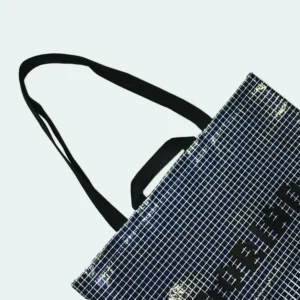
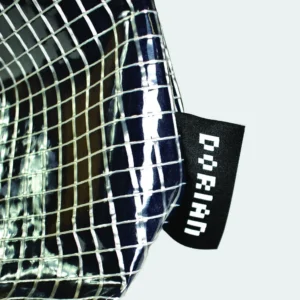
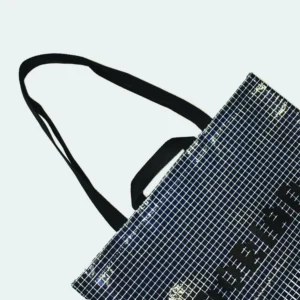
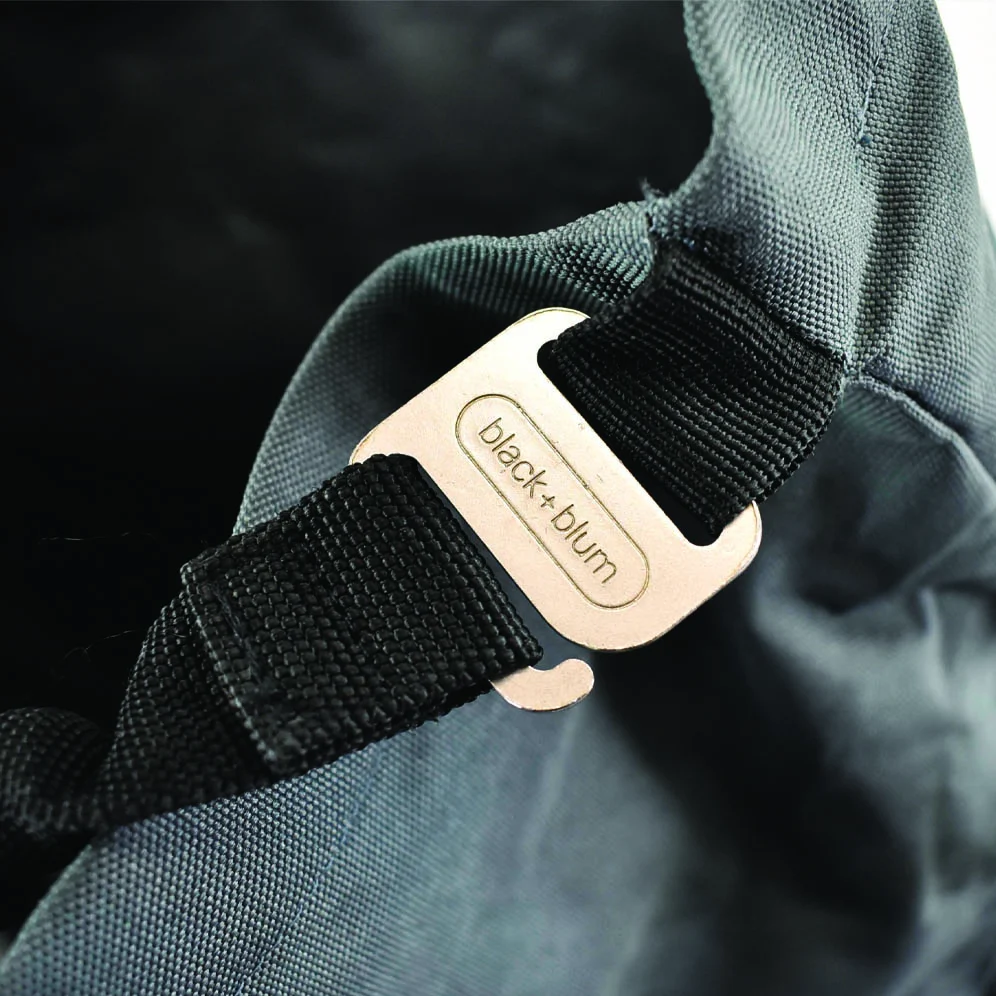
The third phase of development focused on Sophisticated Branding and Custom Components. In the luxury sector, "loud" branding is often replaced by "whisper" branding—details that are subtle yet undeniable markers of quality. For this project, the team moved away from traditional screen printing, which can peel or crack over time, and instead utilized a high-definition woven brand label. This label was meticulously positioned to be visible but not overwhelming. Furthermore, the "bespoke" nature of the project allowed for the customization of functional hardware. Closures, buckles, and handles were not merely functional necessities; they were chosen for their ergonomic comfort and aesthetic alignment with the bag’s premium silhouette. For instance, adjustable straps were engineered with high-tensile webbing and finished with hardware that complemented the bag’s exterior texture, ensuring that the bag was as comfortable to carry as it was beautiful to behold.
The results of this comprehensive design development process were immediate and impactful. The final product was not just a cool bag; it was a "Bag Fit for Purpose" that successfully upheld the client’s brand credibility. From an aesthetic standpoint, the Pantone-matched exterior created a powerful brand statement, while the functional performance exceeded industry standards for thermal retention. The project proved that when a brand invests in professional bag design services, they are not just buying a product; they are investing in an engineered solution that solves logistical challenges while reinforcing luxury status.
The success of such a complex project is also a testament to the importance of the Bag Sampling phase. Before a single unit moved into mass production, physical prototypes were created to test every aspect of the design. This iterative process allows for real-world testing of the thermal layers, the durability of the handles under load, and the visual impact of the branding. It is this commitment to the development cycle—moving from concept sketches to technical specifications to physical samples—that differentiates a premium manufacturer from a standard supplier.
Furthermore, this case study highlights the broader capabilities of The Wurlin Group, the parent organization of The Bag Workshop. The ability to deliver such a high-caliber product is supported by a global supplier reach and a deep understanding of multi-category merchandise. Whether it is a bespoke umbrella, high-end packaging, or a custom-engineered thermal bag, the philosophy remains the same: the product must be an asset to the brand. Progressive and flexible, the group works alongside creative agencies and brand owners to explore concepts that others might find too complex or cost-prohibitive. By leveraging international distribution networks and structured project coordination, they ensure that the final product reaches the client on time and within the specified budget, regardless of the complexity of the custom requirements.
In conclusion, the development of a premium cool bag is a microcosm of the modern branding challenge. It requires a balance of industrial design, chemical engineering (for the thermal layers), textile expertise, and marketing intuition. For brands that refuse to compromise on their image, the "bespoke" route is the only viable path. It allows for the creation of merchandise that is not only functional and hygienic but also serves as a lasting symbol of quality. As this case study demonstrates, when utility and luxury coexist, the result is a product that customers value, use, and associate with the very best a brand has to offer. For any brand owner or creative agency looking to elevate their merchandise from "standard" to "exceptional," the journey begins with a dedicated bag design development partner who understands that every detail matters. To begin your own journey in creating a high-end, fully customized solution, contact the team at [email protected] and discover how professional design can transform your brand’s physical presence.